REVIEW · LOS ANGELES
DTLA Murder Mystery Ghost Tour
Book on Viator →Operated by The Real Los Angeles Tours · Bookable on Viator
Downtown has a darker side. This 3-hour DTLA murder mystery ghost tour pairs true-crime storytelling with real landmarks, plus optional stops for cocktails. I love the way the walk turns LA history into a moving story, and I especially like the small-group feel (up to 15). The main drawback: several stops don’t include admission, so you may spend time outside lobbies or viewpoints depending on what access is allowed that night.
A big part of the value is the human factor. Guides like Paul, Damien, and Chris bring different styles, from personable history lessons to fast, funny pacing that keeps the mood moving. You’ll also get a break or two in real nightlife spots, but drinks cost extra, and only people 21+ can order alcohol.
This is also not a light topic tour. You’ll cover bombings, famous trials, mass violence, and the Cecil Hotel’s reputation, so it’s best if you’re okay with heavy themes and a proper evening walk. If that sounds right, you’ll likely find it a memorable way to see downtown after dark without wasting your afternoon.
In This Review
- Key points to know before you go
- Price and ticket value for a DTLA true-crime walking tour
- Meeting at Historic Broadway Station and finishing near Pershing Square
- The 6:00 pm schedule: how the 3 hours actually feel
- What the guide experience really adds (Paul, Damien, and Chris)
- Stop 1: Los Angeles Times Editorial Library and the 1910 bombing
- Stop 2: Hall of Justice, trials, and the morgue stories
- Stop 3: Vibiana and the Chinatown Massacre of 1871
- Stop 4: The Barclay Hotel and the uneasy trail from a presidential visit to serial killers
- Stop 5: 216 W 5th St and the Hotel Alexandria’s haunting reputation
- Stop 6: The Cecil Hotel, the Suicide Hotel name, and why it keeps showing up
- Stop 7: Clifton’s Republic inside the redwood-forest vibe (free entry)
- Stop 8: Biltmore Los Angeles and the last place the Black Dahlia was seen alive
- Alcohol, bar stops, and staying in the right mindset
- Who this tour fits best (and who should skip it)
- Should you book the DTLA murder mystery ghost tour?
Key points to know before you go
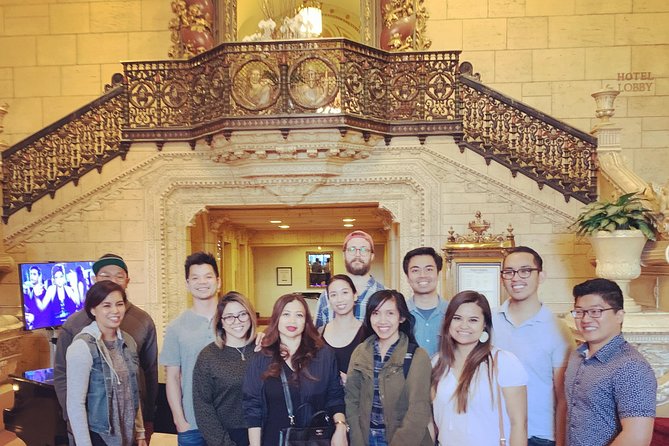
- Small group size (max 15) helps the guide keep things personal and keeps questions from getting lost.
- Tight downtown route means you’re not crisscrossing the city for hours.
- Two bar breaks are built into the schedule, but cocktails are on your own tab.
- Clifton’s Republic is a standout stop and is free to enter, with a redwood-forest vibe.
- Several major sites are admission ticket not included, so plan on viewing from public areas or lobbies.
- You get a charity donation included: $1 per guest to Climate Cents.
Price and ticket value for a DTLA true-crime walking tour
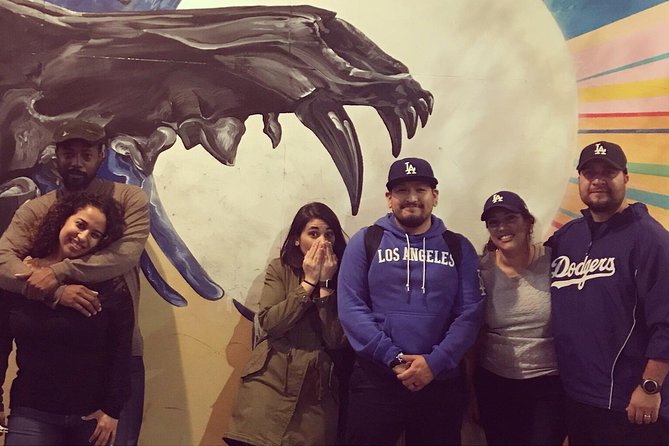
At $60 per person, you’re paying for three things: a guide who can tell the story well, a structured route through notable downtown locations, and scheduled time where you can pause for a drink (if you want one).
The tour also includes a donation component. The operator donates $1 for every guest to a non-profit called Climate Cents. It’s not huge in the moment, but it’s a meaningful add-on that’s actually built into the price rather than tacked on at the end.
What you should watch is what’s not included. Admissions for most stops are listed as not included, and gratuities aren’t included either, with a suggested 15–20% range. If you’re hoping to pop into every building like a VIP, keep expectations realistic and focus on the story + the places themselves.
You can also read our reviews of more tours and experiences in Los Angeles.


Meeting at Historic Broadway Station and finishing near Pershing Square
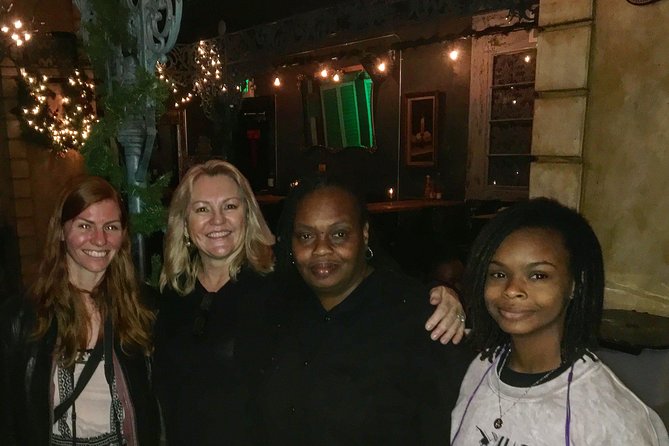
The tour starts at Historic Broadway Station in downtown Los Angeles, and it ends at Pershing Square Metro Station. It’s a transit-friendly start and finish, which matters because you’re doing this as an evening walk, not a day-trip with a car.
Plan to arrive 10–15 minutes early. If you show up late, you may miss the tour. That’s especially important on walking tours because the group is usually moving on a tight schedule.
Also, this is designed for people who can handle a reasonable pace on foot. The operator notes mobility issues as a reason to book a private tour instead, so if walking is a challenge for you, it’s worth choosing comfort over stubbornness.
The 6:00 pm schedule: how the 3 hours actually feel
This tour runs at 6:00 pm and lasts about 3 hours. You’ll spend time at multiple stops, with short guided segments that build a theme: downtown LA’s “before-and-after” moments, and the crime stories that people can’t quite forget.
The best way to picture it is a sequence of story beats. Each location gets a focused visit (often around 10 minutes), then you move on. If you prefer long museum-style pacing, this isn’t that. If you like a faster, narrative walk, you’ll probably enjoy the rhythm.
You’ll also have two scheduled bar windows for cocktails, each around 15 minutes. The drinks aren’t included, and the tour data makes it clear you must be 21+ to order alcohol—though you don’t need to be 21 just to join the tour.
Practical small tip: downtown nights can feel cooler than you expect. One helpful piece of advice from people who’ve done the tour is to bring a sweater and a little hand sanitizer, especially since you’re moving and touching surfaces while listening.
What the guide experience really adds (Paul, Damien, and Chris)
This kind of tour lives or dies by the guide. The good news is that the lineup here seems strong, with clear standouts in the feedback.
Paul gets praised for being personable and for turning LA history into something you can follow without getting lost in dates. Damien is described as a great storyteller with a tone that lands as more “murder story” than spooky-only. Chris shows up repeatedly for mixing true-crime detail with humor, handling a mixed crowd well, and keeping the walk at a normal, fair pace.
You’ll also want a guide who can manage attention on a sidewalk while sharing facts that range from major trials to building histories. Based on the feedback, that’s exactly what these guides do: talk clearly, keep things engaging, and stay respectful even when the subject matter is grim.
Stop 1: Los Angeles Times Editorial Library and the 1910 bombing
The tour starts with a serious moment: the Los Angeles Times Editorial Library and the 1910 bombing. This is a tragic event, but the point of the stop is how it shaped LA’s historical identity and how public institutions became part of the fallout.
Expect a short guided explanation and then time to take in the surroundings. Because admission is listed as not included here, you should assume you’re not relying on being inside a museum or exhibit to get value from the stop.
Why I like this start: it sets the tone fast. It also frames the idea that downtown’s crime stories aren’t just spooky tales—they connect to real civic history.



Stop 2: Hall of Justice, trials, and the morgue stories
Next up is the Hall of Justice, known for major trials in LA. The most famous one mentioned is Charles Manson’s, and the stop also references the morgue as a final resting place connected to stars.
This is where the tour leans into “true-crime in the spotlight.” You’ll get the legal-and-forensic context that makes the stories feel grounded, not just supernatural.
One consideration: admission for this stop isn’t included. So your experience depends more on what the group can access in the time window. Still, even from outside, the building’s place in downtown makes the narrative land.
Stop 3: Vibiana and the Chinatown Massacre of 1871
At Vibiana, you’re looking at LA’s first Catholic cathedral (built in 1885) and hearing about its connection to the Chinatown Massacre of 1871. That’s not the kind of fact most casual downtown walks cover, and it turns a landmark into a lens for how violence shaped neighborhoods.
The tour keeps this stop short, so you’re not touring an entire building. Also, admission is not included, so again, plan on a story-based visit rather than a long interior exploration.
If you care about how architecture sits on top of real events, this is a valuable stop because the building becomes a physical anchor for what happened nearby.
Stop 4: The Barclay Hotel and the uneasy trail from a presidential visit to serial killers
The Barclay Hotel stop brings a darker twist. The tour notes it was used by the first President to visit Los Angeles shortly before he was assassinated. But the real hook here is that the hotel later became a temporary home to at least two serial killers.
That contrast is part of the tour’s appeal: downtown isn’t only about one kind of story. It’s politics, glamour, and then sudden violence.
Just like other early stops, admission isn’t included. That means you should focus on what you can see and what the guide connects through storytelling, not on expecting guaranteed access indoors.
Stop 5: 216 W 5th St and the Hotel Alexandria’s haunting reputation
Then you get 216 W 5th St, tied to the Hotel Alexandria, described as once the grandest hotel in LA and used by movie stars, kings, and presidents. The tour frames it as a haunting hotspot.
This stop is more “downtown mythology meets documented glamour.” You’ll hear how places that once symbolized status can also carry a reputation for darker stories later.
Again, admissions aren’t included, so your value here is in the guide’s connections and the chance to see the building’s role in the broader noir map of DTLA.
Stop 6: The Cecil Hotel, the Suicide Hotel name, and why it keeps showing up
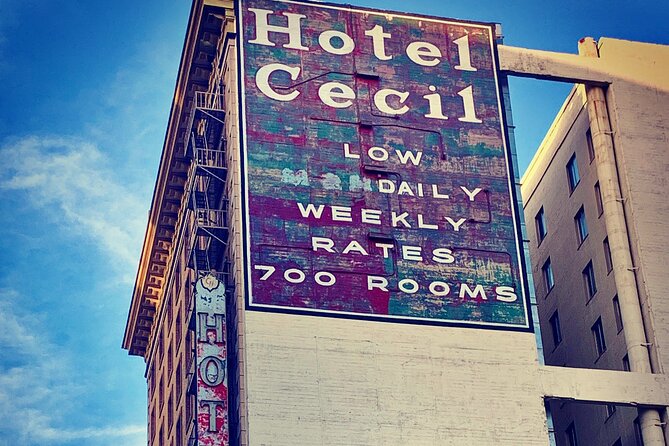
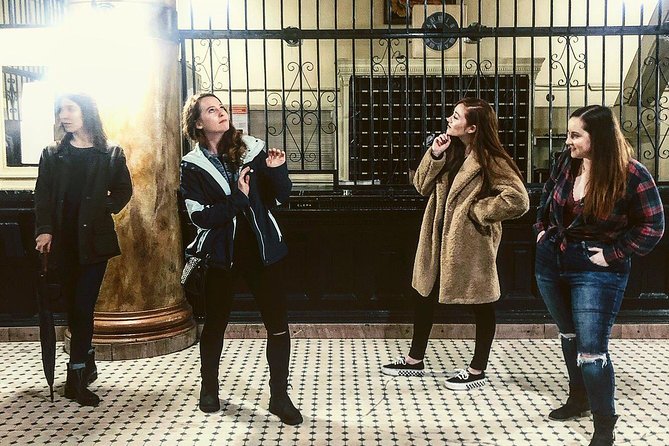
No DTLA true-crime walk seems complete without the Cecil Hotel. The tour explicitly mentions its reputation as the Suicide Hotel, and that it has appeared in documentaries and TV shows.
This stop often becomes a highlight because the Cecil Hotel is one of those names that feels bigger than one story. It’s not just about what happened; it’s about why the building became a cultural reference point.
A realistic note: admission is listed as not included here too. So you’re likely experiencing this through viewing and guided context rather than a full building visit. Even so, it’s one of the stops that tends to stick with people long after the walk ends.
Stop 7: Clifton’s Republic inside the redwood-forest vibe (free entry)
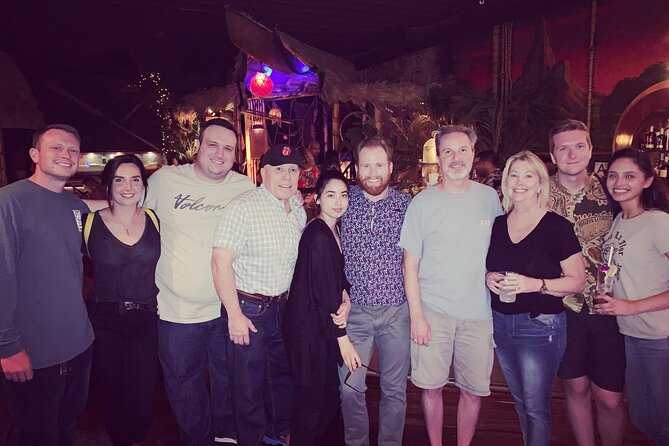
Now we switch gears in a good way: Clifton’s Republic. The tour says you’ll enter the space and that it gives you a sudden change of scenery, described as being transported to a redwood forest.
This stop also ties into the theme of corruption in 1930s Los Angeles. So it’s not just scenery for pictures. It’s a reminder that the stories behind downtown’s glitz often connect to systems and politics.
The best part for your wallet: admission is listed as free for this stop. That makes it one of the stops where you get the most “payoff per minute” because you’re not only looking from the outside—you’re actually inside.
If you’re trying to plan a fun night around a real-world setting, this is a smart moment to enjoy the atmosphere before returning to the final noir beat.
Stop 8: Biltmore Los Angeles and the last place the Black Dahlia was seen alive
The tour closes at the Biltmore Los Angeles, described as the last place the Black Dahlia was seen alive. The guide frames it as the start of a noir investigation of downtown LA.
This is a strong closing device because the Black Dahlia story is widely known, but hearing it tied to a specific hotel context gives it new shape. It’s also a chance to connect the dots between earlier stops—bombing, trials, violence, hotels, and then the way noir themes keep resurfacing in LA’s identity.
Admission is listed as free at this stop, which is nice. Still, access can vary on night-of realities, like security rules and what the hotel allows. If you’re hoping to see every area inside, don’t count on it. Count on the guide’s story for the main value.
Alcohol, bar stops, and staying in the right mindset
This tour builds in two bar stops, and each is about 15 minutes. Alcohol isn’t included, and you’re limited to ordering only if you’re 21+, but the tour itself doesn’t require being 21.
So for a group with mixed ages over the minimum, it usually works as: you can be there, take in the vibe, and order a non-alcohol option if the bar offers it. If you want cocktails, you’ll pay for them yourself.
The bar breaks are one of the nicest parts of the pacing. They give you a chance to reset after heavy topics, and they break up the walking so your brain doesn’t feel like it’s stuck on the same theme for three straight hours.
Who this tour fits best (and who should skip it)
I’d point this tour toward you if you like true crime, LA history connected to real buildings, and a walk that moves fast enough to keep the night interesting.
It’s also a good fit if you want an evening plan that doesn’t eat up your whole day. The evening schedule leaves you free for other activities later, and the downtown route helps you keep logistics simple.
Skip it if: you need long indoor time at every stop, you hate stories involving violence and tragedy, or you’re bringing kids under 15. The tour explicitly isn’t recommended for children under 15.
Should you book the DTLA murder mystery ghost tour?
Book it if you want a guided true-crime walking story in downtown, with a guide who can keep the pace lively and the details straight. The $60 price feels more fair when you add in the included guide time, the small group size, the Cliftons Republic indoor stop, and the Climate Cents donation.
Think twice if you’re expecting guaranteed interior access everywhere or if heavy subject matter will ruin your mood. Also, budget for gratuity (15–20%) and any drinks you choose to buy.
If you’re the type who likes to connect LA’s present-day streets to the events that shaped them, this is a very strong way to spend a downtown evening.