REVIEW · LOS ANGELES
Hollywood Sign Hiking Tour to Griffith Observatory
Book on Viator →Operated by ExperienceFirst · Bookable on Viator
Hollywood Sign views start with a hike. This guided walk through Griffith Park and Los Feliz mixes LA skyline photos with real neighborhood history, then ends at Griffith Observatory. It is a simple idea with a great payoff: great views plus a guide who explains what you’re actually looking at.
I especially like the tour’s pacing. It is not a sprint hike; it moves at a decent pace with lots of stops, so you can catch the viewpoints without arriving at the observatory wrecked. I also like that you learn LA storylines along the way, including the role of Griffith Park and the bigger picture behind the iconic landmarks, not just a checklist of sights.
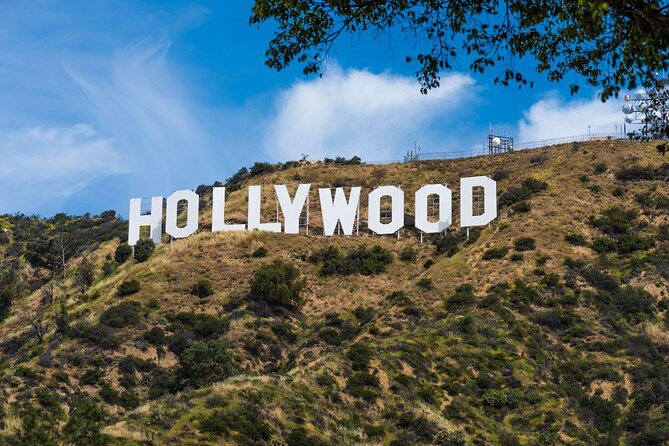
One drawback to plan for: the Hollywood Sign portion is mostly from a distance. If you’re hoping for a close-up photo, you’ll likely need a very long-distance lens, and even then angles can be tricky. Also, expect real uphill work and slippery spots after rain, so bring shoes with good tread and dress for sun or cool wind.
In This Review
- Key highlights that make this tour worth your time
- Price and what you’re actually paying for
- Meeting at 2650 N Vermont Ave: logistics that help
- The fitness reality: a moderate hike with stair climbing
- Stop 1: Griffith Park time, views, and the pace with purpose
- Stop 2: Los Feliz streets for architecture, homes, and photo angles
- Stop 3: Ennis House exterior—Frank Lloyd Wright without the ticket stress
- The Hollywood Sign viewpoint: iconic, but not close-up
- Griffith Observatory finale: where the views make sense
- What guides like Paul, Matt, Chris, Lisa, and Alex do right
- What to bring (and what to skip)
- Who this tour suits best
- Should you book this Hollywood Sign hike?
Key highlights that make this tour worth your time
- A guided route through Griffith Park + Los Feliz with a manageable hiking pace
- Griffith Observatory admission included, so you end at the most satisfying viewpoint
- Ennis House exterior time (Frank Lloyd Wright design) without the hassle of planning
- Hollywood Sign skyline photos, but mainly from a distance (plan your expectations)
- Small group size (max 15) for better attention and easier photo stops
Price and what you’re actually paying for
At $39 per person for about 3 hours, this is a good deal if you care about guided context and getting to the observatory without extra ticket juggling. You get an entertaining local guide, bottled water (typically), and entry to Griffith Observatory.
The “not included” parts matter, though. Transportation isn’t provided, and Ennis House admission is not included, even though you do get time outside the building. If you already know how to get there on your own and you only want the sign, you might compare costs with self-guided entry. But if you want the story and the walk, this price feels fair.
You can also read our reviews of more hiking tours in Los Angeles


Meeting at 2650 N Vermont Ave: logistics that help
The tour starts and ends back at 2650 N Vermont Ave, Los Angeles, CA 90027. That matters because you do not need to worry about getting stranded across town if you drive or use public transit.
The format is straightforward: you meet, you hike, you finish at the observatory, and then you’re back at the meeting area. Groups are capped at 15 travelers, which keeps the hike calmer and makes it easier for your guide to point out sights without losing the group.
The fitness reality: a moderate hike with stair climbing
This is rated for moderate physical fitness. You should be comfortable climbing the equivalent of 20 flights of stairs over about 1 hour, and the terrain can be uneven.
In practice, that means you should plan as if you’ll be working your legs. In hot, sunny weather, the pace feels harder, and after rain the paths can be slippery. Wear shoes with solid grip, bring a hat if the sun is strong, and don’t skip water.
Stop 1: Griffith Park time, views, and the pace with purpose
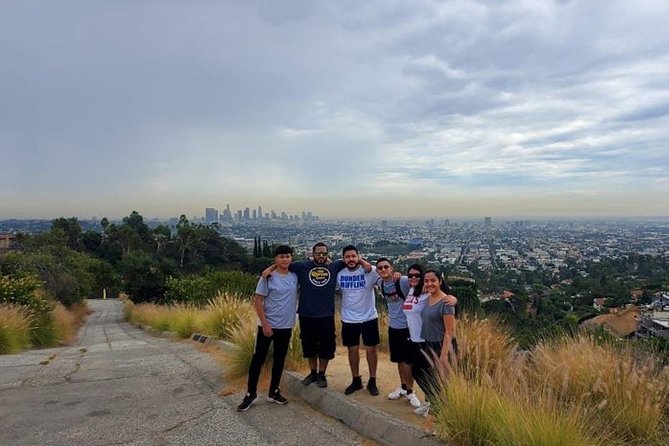
You spend about 2 hours in Griffith Park, and entry is free. This is where the hike becomes the experience, not just the route between stops. You’ll be walking through a big urban park where the skyline starts to open up as you climb.
This is also where your guide’s job matters. A good guide helps you pace yourself, times the photo breaks, and explains what you’re seeing as the terrain changes. Expect a mix of uphill effort and moments where the group slows down for views over LA.
You might even spot wildlife along the edges of the trail. Some outings have included sightings like a deer crossing down the mountainside, so keep your eyes open but stay focused on the path.
Stop 2: Los Feliz streets for architecture, homes, and photo angles
Next comes Los Feliz for about 30 minutes, again with free entry. This section shifts the vibe from park to neighborhood, with plenty to look at.
I like this stop because it breaks up the hike with something different: you’re not only going uphill, you’re also seeing how LA wealth and design sit right next to open space. You’ll hear about things like Frank Lloyd Wright’s Ennis House nearby, multi-million dollar homes, and how Los Feliz can feel like a movie set.
If you care about photos, this is a good stretch for skyline and “in-between” angles. You’re still moving, but you’re positioned to frame LA rather than just document your feet.




Stop 3: Ennis House exterior—Frank Lloyd Wright without the ticket stress
Ennis House is covered for about 25 minutes, but admission is not included. That means you’ll enjoy an outside look and the big architectural ideas without it turning into a separate museum plan.
Ennis House is by Frank Lloyd Wright, and it has appeared in multiple movies and TV shows. Your guide can help you connect the architecture to the place, so even if you’re only seeing it from outside, it feels more meaningful than a quick glance.
A practical note: since you’re outside, this stop is sensitive to sun, wind, and crowd flow. Bring sunglasses and give your body a quick reset before you move on.
The Hollywood Sign viewpoint: iconic, but not close-up
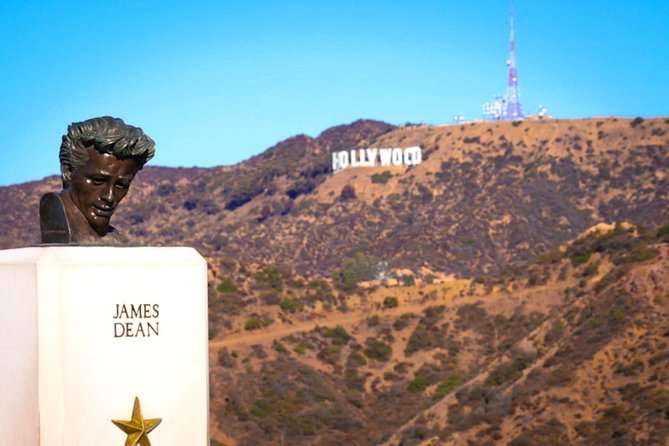
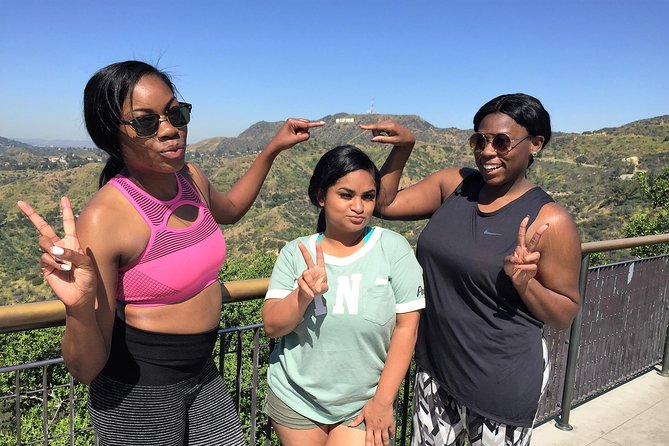
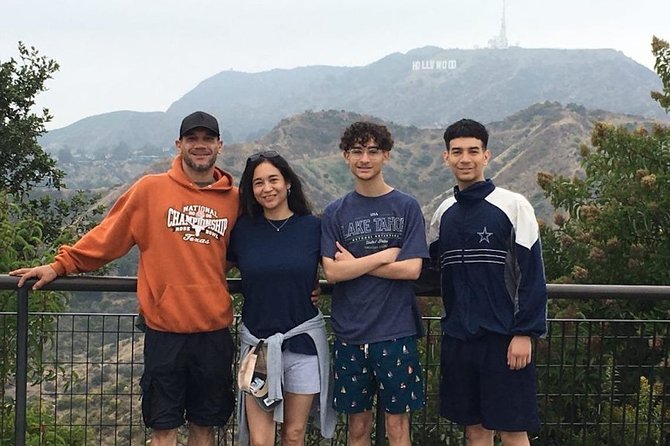
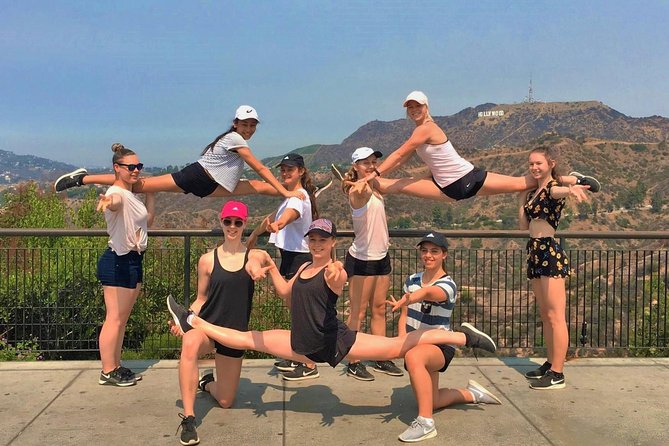
Here’s the expectation check that saves disappointment. The Hollywood Sign is viewed from a distance, not from a spot right at the base. That’s still cool, because you get context: the sign sits above a real slice of LA, and the skyline layers matter.
For photos, your success depends on your camera and lens. If you’re using a phone or a standard lens, you might not get the crisp close-up you imagined. If you have a camera with a long-distance lens, you’ll have a better shot at capturing the sign clearly.
I’d treat this as a framing moment. Get your wide shot, enjoy the view, and let the guide’s explanation connect it to the neighborhood and park storylines. It’s not about touching the landmark; it’s about seeing how it fits the city.
Griffith Observatory finale: where the views make sense
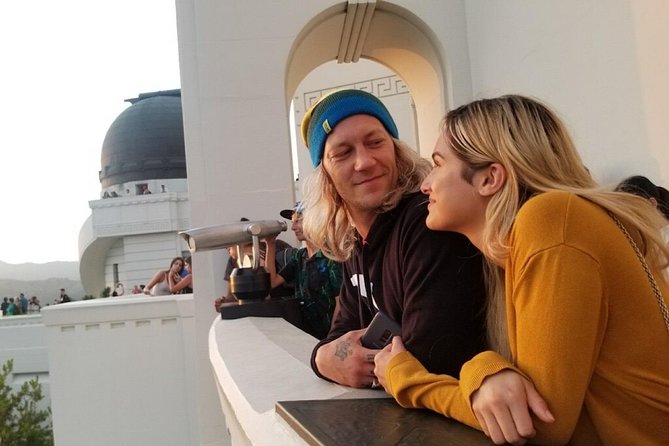
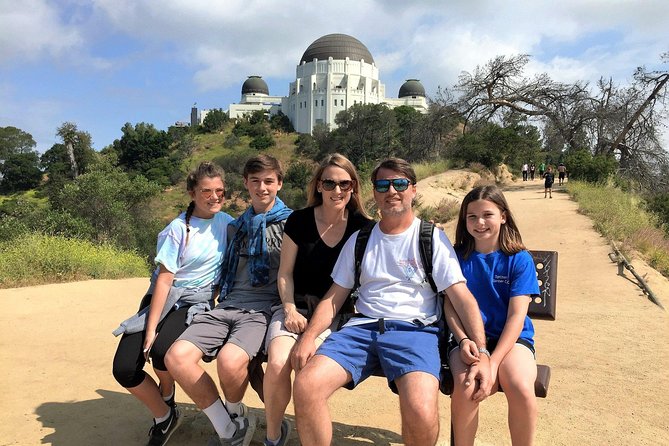
Your last major stop is Griffith Observatory. Observatory admission is included, so you can focus on the experience instead of hunting for tickets right at the end.
This is the payoff point for a reason. After climbing through park and neighborhood terrain, the observatory location gives you a broad, satisfying perspective. It’s also a smart place to end because it naturally supports lingering—looking at the city, switching between viewpoints, and taking photos without needing to hike again immediately.
If you want to extend the day, you may enjoy spending extra time inside the observatory grounds after the tour finishes. The tour itself keeps things moving, but this is one stop where slowing down can be worth it.
What guides like Paul, Matt, Chris, Lisa, and Alex do right
The consistent pattern is guide impact. Many different guides have run this route—Paul (including Paul Norris), Matt, Chris, Lisa, Alex, Barry, Gregory, and Phillip—and the common thread is storytelling that makes the hike click.
You’ll get commentary that goes beyond facts. Guides tend to highlight why Griffith Park matters, why the observatory is positioned where it is, and how Los Feliz’s homes and architecture connect to LA’s growth. You also get practical help that improves your day, like tips for where to park or what else to do nearby.
My advice: listen during the viewpoints, not just while walking. That is when your guide’s explanations turn into photos you actually understand.
What to bring (and what to skip)
Because you’re hiking and climbing, pack like it’s an outdoors day, not a casual stroll. Bring:
- Shoes with grip on uneven or slightly slippery paths
- A hat if it’s bright
- Sunscreen and water (the tour typically has bottled water)
- A light layer for cool wind near the observatory
Skip heavy baggage. You’ll be climbing, stopping often, and moving between park and streets. A small daypack is the sweet spot.
Who this tour suits best
This one fits people who want a guided hiking experience without committing to a hardcore trek. It is a strong option for couples, solo travelers, and families old enough to handle the physical demands.
It is not recommended for children under 4, and the stair climbing requirement means it’s not the best pick for very small kids even if they’re energetic. You also should have moderate fitness and be comfortable with uneven footing.
If you like architecture and neighborhoods as much as big landmarks, the Los Feliz and Ennis House timing is a bonus. If you only want the sign at close range, adjust expectations and look for a different option.
Should you book this Hollywood Sign hike?
Book it if you want: a guided walk, Griffith Observatory admission included, a small group, and LA history that turns views into something you can explain later. The price is reasonable for what you get, especially since you’re paying for guidance and at least one paid attraction.
Skip it (or pick a different style of tour) if your main goal is a close-up Hollywood Sign photo. This route is designed for a hike and viewpoint experience, not a right-at-the-sign walk. Also think twice if stairs and uphill climbs make you nervous—this is absolutely doable, but it’s real work.
If you’re flexible and you show up with good shoes and a water plan, this is one of the most satisfying ways to see the Hollywood area without doing the whole day alone on a map.