REVIEW · LOS ANGELES
LA: San Francisco, Yosemite, Santa Barbara & Carmel, 3-Days
Book on Viator →Operated by Empire Vacations · Bookable on Viator
Highlights in three days, and you drive none. This is a fast, coach-led tour that strings together Santa Barbara, Solvang, San Francisco, and Yosemite/Monterey so you can check big-ticket sights without maps or parking stress. You start in L.A. from either the Los Angeles Farmers Market area or the Four Points by Sheraton in Culver City, then the itinerary does the heavy lifting: quick stops, photo breaks, and a guide who keeps the day moving.
What I like most is how this tour turns long distances into a guided sightseeing route. The San Francisco bay cruise under the Golden Gate and the stop rhythm in the city make it feel like you actually saw the main neighborhoods, not just passed by them. Guides (including names like Giovanni, Dorit, and Roberto) show up in a lot of the feedback for a reason: they’re good at explaining what you’re looking at and keeping people on time.
The main thing to think about is pacing and reliability. This is a tight 3-day plan, and a broken-down bus can turn the day into chaos if you’re unlucky. When everything runs, it’s great; when it doesn’t, you may spend extra time on the road and lose some scenic flexibility.
In This Review
- Key moments worth your attention
- Price and what you’re really paying for
- Day 1: LA to Santa Barbara and Solvang to the Carmel/17-Mile Drive area
- Winter variant on Day 1
- Day 2 in San Francisco: City Hall, Lombard Street, the bay cruise, Chinatown
- What to expect with the walking
- Day 3 choices: Yosemite Valley in summer, or Monterey/Carmel/17-Mile Drive in winter
- Summer route: Yosemite Valley and Yosemite Falls
- Winter route: Monterey, Cannery Row, Carmel, and the 17-Mile return to LA
- Transportation, timing, and how to keep the trip feeling good
- Hotels: two nights, continental breakfast, and what varies
- When this tour shines (and when you should pause)
- Should you book this 3-day LA to San Francisco highlights tour?
- FAQ
- Where do I meet the tour on the first day?
- Is the San Francisco cruise included?
- Does this tour include Yosemite?
- What does the tour do on winter dates instead of Yosemite?
- What’s included besides the sightseeing?
- How much free time do I get at each stop?
- How does luggage work on the tour?
Key moments worth your attention

- San Francisco bay cruise: Golden Gate Bridge plus a circuit around Alcatraz
- Guides who narrate in plain English: people like Giovanni and Dorit are repeatedly praised for clarity and patience
- Coastal stop-and-photo rhythm: Santa Barbara, Solvang, and Carmel/17-Mile Drive are built for quick scenery hits
- Seasonal payoff on Day 3: Yosemite in summer or a winter route that leans Monterey/Cannery Row
- No navigation burden: you spend time looking, not routing through traffic
- Limited luggage and real coach time: expect time seated, plus a one-piece-per-person luggage rule
Price and what you’re really paying for
At $620 per person for 3 days (2 nights), this tour sits in the middle tier for “hits of California without a rental car.” What makes it feel like value is what’s bundled: a professional guide, round-trip transportation through the route, two continental breakfasts, a San Francisco bay cruise, and—on summer dates—Yosemite National Park entrance.
If you were to DIY this by car, you’d pay for gas, tolls/parking, and likely at least one paid attraction or timed entry. If you used transit, you’d spend more time coordinating. Here, you’re buying time and convenience. Just be honest about the tradeoff: you’re not buying slow travel or long, unhurried museum time. You’re buying an organized route that stacks stops close together.
And one more “why it matters”: the operator partners with One Tree Planted. The plan is one tree per passenger, plus an extra tree when you book multiple trips. It’s not a reason to travel, but it’s a nice extra layer.
You can also read our reviews of more tours and experiences in Los Angeles.

Day 1: LA to Santa Barbara and Solvang to the Carmel/17-Mile Drive area
Day 1 is all about changing scenery fast. You leave L.A., and the route starts trading city grid for coastline views. First big stop is Old Mission Santa Barbara, where you get a fast hit of the Spanish mission story—enough to understand why these places mattered, but not so long that it kills momentum.
On summer departures, you continue to Solvang, that Danish-flavored pocket with architecture and shops that feel like a theme you can walk through. Solvang is one of those stops where you can browse, snack, and take photos without needing to “do” a lot. It’s also a good reset for the day: you can stretch your legs and get out of pure driving mode.
Then the tour pushes north toward the Carmel area. You’ll hear about Clint Eastwood’s Carmel connection as part of the local vibe (the tour literally frames it that way). From there, you’re given time that’s designed for coastal viewing, either through Route 1 or via the 17-Mile Drive section—depending on the vehicle type that’s operating your departure.
A practical nuance: the tour notes that small vehicles travel on Route 1, while full-size coaches travel 17-Mile Drive exclusively. If you care about roadside photo pullouts along Route 1, that can matter. If you’re fine with a single scenic corridor, 17-Mile Drive is built for that kind of cruising-by-the-window sightseeing.
Where you sleep: the plan ends the night near Santa Clara, which is a smart landing spot if you want to be close to the Bay Area without being in the most expensive hotels.
Winter variant on Day 1
Winter doesn’t drop Solvang or Santa Barbara, but the emphasis shifts. You get downtown Santa Barbara energy with the State Street promenade, plus beach and Stearns Wharf views. It’s a more “wander the waterfront” version of the same region, then you continue to Solvang and later cut through the Silicon Valley area before reaching your hotel.
Day 2 in San Francisco: City Hall, Lombard Street, the bay cruise, Chinatown
Day 2 is the San Francisco centerpiece. The route starts with iconic street energy and then builds into viewpoints and neighborhoods.
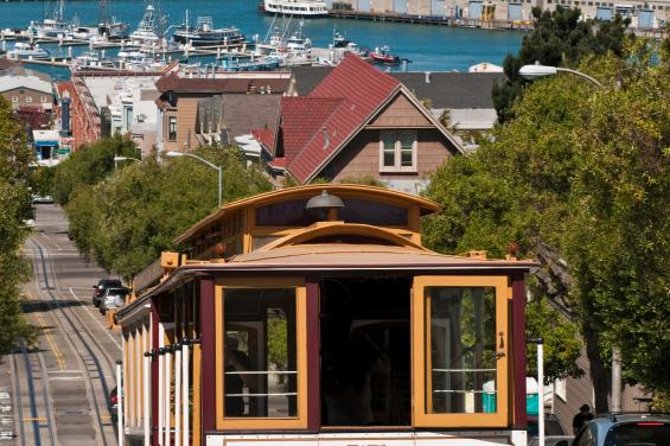
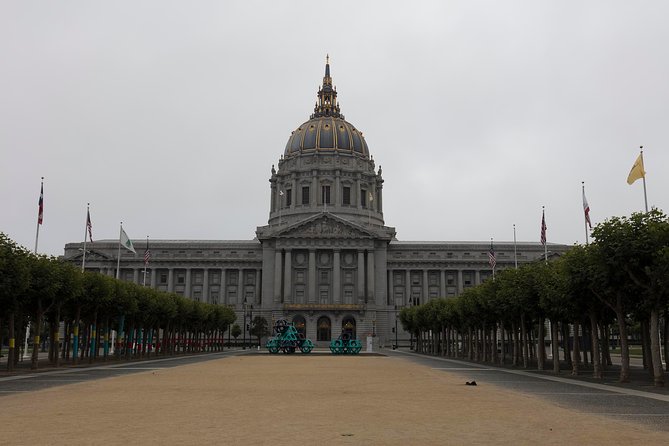
You’ll begin with San Francisco City Hall as your anchor point, then move to Lombard Street and Fisherman’s Wharf. After that comes a real highlight: a bay cruise that goes under the Golden Gate Bridge and circles past Alcatraz. This is one of those “worth it even if you hate boats” moments. From water level, the bridge isn’t just a photo subject—it’s scale.
Then you head to downtown Sausalito for a waterfront walk. Sausalito is short but memorable: sunshine, sea air, and shops along the water.
Next comes the viewpoint payoff: Twin Peaks. It’s a classic reason to come to San Francisco because it gives you a full city view—especially helpful if the rest of your day is walking and driving with limited time.
The day ends with Chinatown, framed as the oldest in North America and spread across many blocks. If you want snacks, souvenirs, or just atmospheric streets, Chinatown is where you’ll find it.
What to expect with the walking
This day includes several neighborhood walks plus viewpoint climbs. It’s not a hardcore hiking plan, but you should be ready for uneven sidewalks and short, repeated walking breaks. If you’re traveling with limited mobility, ask in advance how the guide handles mobility needs during walking portions.

Day 3 choices: Yosemite Valley in summer, or Monterey/Carmel/17-Mile Drive in winter
Day 3 is seasonal, and you’ll want to pick the version that matches your priorities.
Summer route: Yosemite Valley and Yosemite Falls
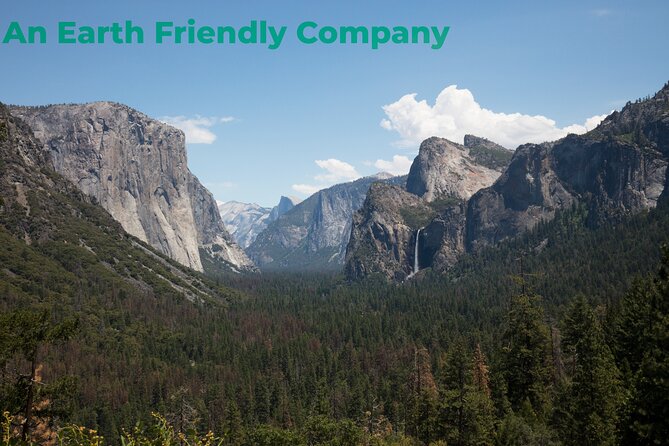
In summer months (noted as April–October), you’ll head east through the Joaquin Valley toward Yosemite National Park. The plan focuses on the big Yosemite icons:
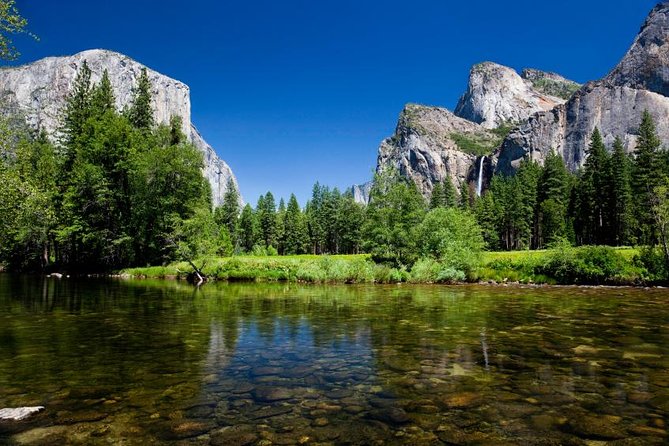
- Stops around El Capitan, Bridal-Veil Falls, and Half Dome
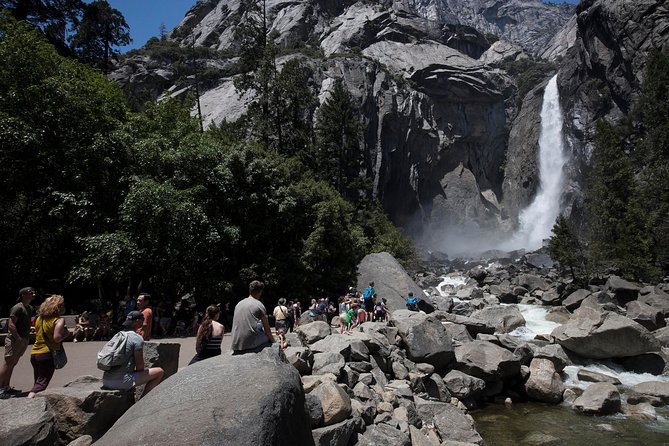
- A walk from the Yosemite Visitor Center area toward Yosemite Falls, described as one of the highest waterfalls in North America
This is the kind of day where “incredible scenery” isn’t marketing. Yosemite is a place that looks different at every angle, and you get those classic angles in a single day. Just remember: you’re not doing a long trail hike here. You’re getting key viewpoints and manageable walks.
Winter route: Monterey, Cannery Row, Carmel, and the 17-Mile return to LA
For winter departures, Day 3 shifts back to the coast. You start with a Monterey component—specifically the wharf and Cannery Row. This part is history-on-the-water with a sightseeing feel. You’re not just staring at buildings; you’re connecting what the wharf area was and what it is now.
Then you move to Carmel-by-the-Sea, again with that Eastwood association in the local storytelling. Carmel can feel like a movie set: compact, scenic, and very photo friendly.
From there, you head toward 17-Mile Drive as you return south toward Los Angeles. You’ll get scenic coastal views either on a scenic route depending on vehicle rules, or via 17-Mile Drive where full-size coaches operate.
A word of caution based on past experiences: some people have felt that scenic pullouts could be limited depending on the guide and the day’s flow. If 17-Mile Drive is your must-see, ask early about viewpoint time and what stops are actually planned.
Transportation, timing, and how to keep the trip feeling good
This tour runs with a 15-passenger van for smaller groups, or a full-sized bus. Group size is capped at 50 travelers, which is big enough to run efficiently but still small enough to feel like a single unit of people moving together.
You also get Wi-Fi on the bus only (not a guarantee for full-size streaming). That matters because you’ll be seated for longer stretches than you’d expect on a “3-day tour,” and offline downloads can save you.
Luggage limits are simple: one piece plus a small carry-on per person. The big practical point is that space gets tight. Pack like you’re sharing a small room with strangers: bring what you need, not what you hope you might use.
Timing expectations:
- The tour returns you back to the original L.A. departure point around 7pm (scheduled between 7:00–8:00 pm).
- Day lengths can feel full. Some people love the packed days; others find it exhausting.
If you’re prone to motion sickness, bring what works for you. Also bring layers. Coastal California can feel cool and windy in the shade, even when the sun is strong.
Hotels: two nights, continental breakfast, and what varies
You get 2-night hotel accommodation with tax and continental breakfast included. Breakfast is part of the value, but it’s not a “vacation buffet” situation. It’s functional.
In terms of hotel quality, the feedback isn’t uniform. Some stays have been praised as acceptable and comfortable. Other reports have flagged basic accommodations, including one case where the property situation sounded rough. The operator also notes hotels of an equivalent category may be used, so treat the hotel as “sleep and recharge,” not a destination.
The silver lining: you’re spending your best daylight on scenery and neighborhoods. If you’re the type who wants to lounge in a great hotel all afternoon, a more expensive custom itinerary might match your style better.
When this tour shines (and when you should pause)
This is a strong pick if:
- You want big California highlights in a tight timeline and don’t want to rent a car
- You like guided explanations and a plan that handles driving and logistics
- You’re excited by the iconic stops: Santa Barbara, Solvang, San Francisco bay cruise, and Yosemite Valley (or the winter coast route)
It’s less ideal if:
- You hate coach time and want lots of free wandering with zero structure
- You’re sensitive to schedule slip. Past issues like bus breakdowns have happened, and when they do, the day can lose hours
- You need long stopovers at each sight. This trip is built for “see the core,” not “linger until you’re done.”
A note on guide quality: the recurring praise names matter. Guides like Giovanni, Dorit, Roberto, Brenda, and others show up tied to good narration and patience. That’s the heart of a tour like this. When the guide is on point, the day feels organized even if the pace is fast.
Should you book this 3-day LA to San Francisco highlights tour?
Book it if you want a guided “greatest hits” route and you’re okay trading deep exploration for variety. The included bay cruise, the structured Bay Area day, and the Yosemite access in summer are what make this feel worth the money.
Pause and plan carefully if you’re traveling during peak season and your schedule is inflexible. Add buffer time around the tour days, keep essentials handy for long waits, and pack for shifting weather.
For the right traveler, this is a smart way to get a real taste of Golden State icons without getting stuck in logistics. For everyone else, the biggest risk isn’t the sights—it’s the pace and how your day responds if the vehicle situation turns messy.
FAQ
Where do I meet the tour on the first day?
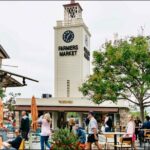
The tour starts from either the Los Angeles Farmers Market area or the Four Points by Sheraton in Culver City. Hotel pickup is not available, so you’ll need to make your own way to one of those meeting points.
Is the San Francisco cruise included?
Yes. A bay cruise in San Francisco is included, including views around the Golden Gate Bridge and Alcatraz area.
Does this tour include Yosemite?
It depends on your travel dates. Yosemite National Park entrance is included on summer routes (April–October).
What does the tour do on winter dates instead of Yosemite?
Winter routes shift away from Yosemite. You’ll visit Monterey and Cannery Row, then Carmel-by-the-Sea, and you’ll also include a 17-Mile Drive experience on the way back toward Los Angeles. Some after-November dates are described as continuing with Hearst Castle instead of Yosemite.
What’s included besides the sightseeing?
Included items are a professional guide, transportation, sightseeing in Santa Barbara, Carmel, and San Francisco, 2-night hotel lodging with tax and continental breakfast, the bay cruise, and entrance to Yosemite in summer. Wi-Fi is available on bus only.
How much free time do I get at each stop?
Time at stops is limited and designed for quick sightseeing and photos. The schedule is paced to cover multiple regions in 3 days, so you should expect short windows rather than long free roaming.
How does luggage work on the tour?
Luggage is limited to one piece and a small carry-on per person. Car seats are available with 24 hours notice, and children under 2 can travel free as lap children with a paid adult responsible for them.