REVIEW · LOS ANGELES
Los Angeles: Getty Center Guided Tour
Book on GetYourGuide →Operated by Quick Culture LA · Bookable on GetYourGuide
Most people rush the Getty. A private guide slows it down just right. You get museum admission included and a real art-history storyteller to help you connect the works to artists’ lives, not just labels. What I especially like is how the tour is paced for your group instead of fighting crowds, and how the guide chooses art that actually teaches you something.
I also love the surprise factor built into the route, so you never feel like you’re marching through a checklist. In the kids option, the experience turns masterpieces into a game with hands-on materials and a badge, so art sticks fast. One thing to consider: the tours are structured and timeboxed, so if you want to linger on one painting for a long stretch, the itinerary may feel a bit fast.
In This Review
- Key highlights you’ll feel right away
- The Getty Center: why this place works for art stories
- Meeting at the Getty: easy starting point, smarter momentum
- Choosing the right tour: Kids, Classic, Deluxe, or Grand
- Just for Kids (ages 6–12)
- Classic Tour (adults, about 1.5 hours)
- Deluxe Tour (adults, about 2 hours)
- Grand Tour (adults, about 2.5 hours)
- What the guide actually does: stories, technique, and smart selection
- Classic highlights: how da Vinci to van Gogh becomes a single story
- Deluxe depth: adding Medieval Manuscripts and context that clicks
- Grand Tour add-ons: Meier, Getty family history, and modern debates
- Kid-friendly looking: how Just for Kids turns art into a game
- Pace and expectations: the trade-off with a guided route
- Price value: $225 per group up to 6, and what that buys you
- Practical tips so your tour feels smooth
- Should you book the Getty Center guided tour?
- FAQ
- How much does the Getty Center guided tour cost?
- How long is the tour?
- Does the price include museum admission?
- Is this a private tour?
- What tour options are available?
- What languages are the live guides?
- Are there listening devices?
- Is the tour wheelchair accessible?
- What should I bring and what is not allowed?
- Is cancellation free?
Key highlights you’ll feel right away
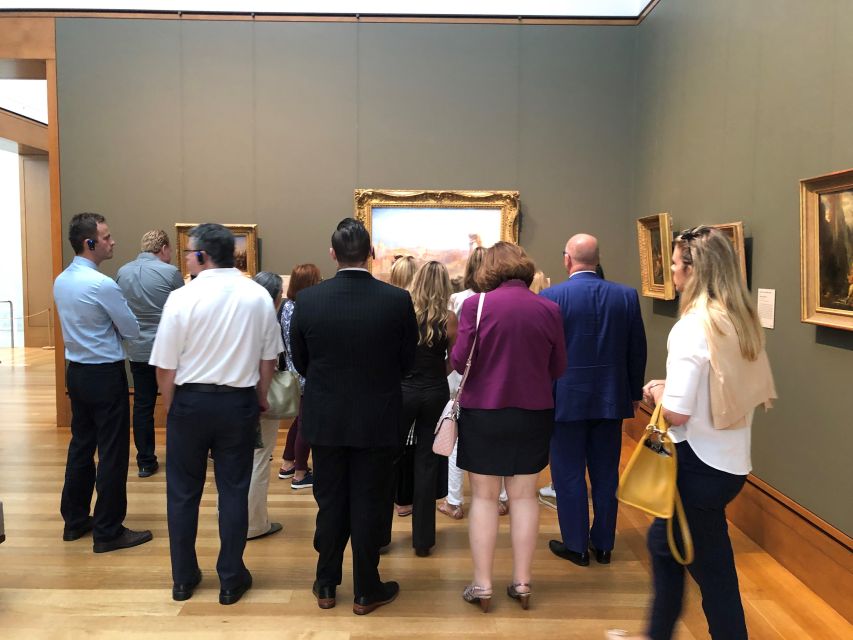
- Private group focus (up to 6) means the guide can adjust on the fly for questions and pace
- Art historian storytelling, including how artists’ lives and techniques shaped what you see
- Listening devices (for groups of 6+ or on request) help you hear every detail without crowd noise
- Kids option with scavenger-hunt games and hands-on materials, plus an Art Appreciation Badge
- Clear tour choices: Just for Kids (1 hour), Classic (about 1.5), Deluxe (2), and Grand (about 2.5)
The Getty Center: why this place works for art stories
The Getty Center is one of those museums where the building and the views are part of the show. Even if you’re not a serious art person, you’ll notice how the site frames the collection—light, space, and the way galleries connect.
But the real win is what a guided route does here. The museum is big, and even when you know the names of famous artists, it’s hard to see how the pieces talk to each other. With an art historian guide, you’re not just identifying works—you’re learning how to look. That’s the difference between reading a label and understanding why the artist made specific choices.
And because this is a private group tour, you’re not stuck in that awkward rhythm of a public tour where everyone must move at the same speed. The guide can steer you toward the best visual moment for your group—where a detail pays off, where context changes how a scene reads, and where a sculpture technique makes more sense after a quick story.
You can also read our reviews of more guided tours in Los Angeles



Meeting at the Getty: easy starting point, smarter momentum
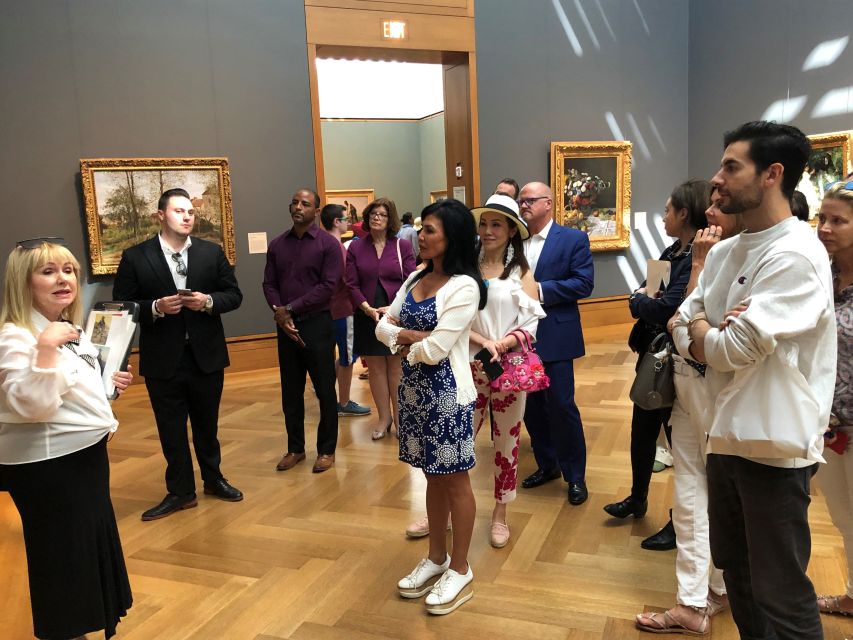
You meet directly at The Getty, and your guide sends specific meeting instructions ahead of time. That matters because the Getty Center can feel confusing at first—parking, entrances, and getting oriented take energy you’d rather spend inside.
Plan to arrive with comfortable time to settle in, use the restroom if you need to, and get your bearings. The tour itself assumes you’re ready to walk. Comfortable shoes are not a suggestion here—they’re the difference between enjoying the route and feeling cranky halfway through.
Also note what you’re allowed to do while you’re moving through galleries: no food and drinks, and no flash photography. The no-food rule means you won’t be distracted by snacks during the key viewing moments, but you’ll still be able to purchase drinks and snacks in allowed areas outside the museum spaces.
Choosing the right tour: Kids, Classic, Deluxe, or Grand
This is where your money and your time actually line up with what you want.
Just for Kids (ages 6–12)
If you’re traveling with children, this is the best “first art visit” format I’ve seen at a major museum. The tour runs about 1 hour and uses detective-style games, storytelling, and a scavenger-hunt approach to connect kids to famous artworks.
The hands-on pieces are the real glue. Kids work with things like marble, sculpture molds, and papyrus, which turns a gallery into a place where they can test ideas. Each child gets an Art Appreciation Badge, and they leave with a special art gift. Chaperones are required: 1 adult per 3 children, with a cap of 6 children plus 3 adults.
Classic Tour (adults, about 1.5 hours)
This one is made for first-time visitors who want the highlights without feeling lost. It’s fast-paced, but not shallow—it’s designed to show the most iconic works and introduce key themes across eras.
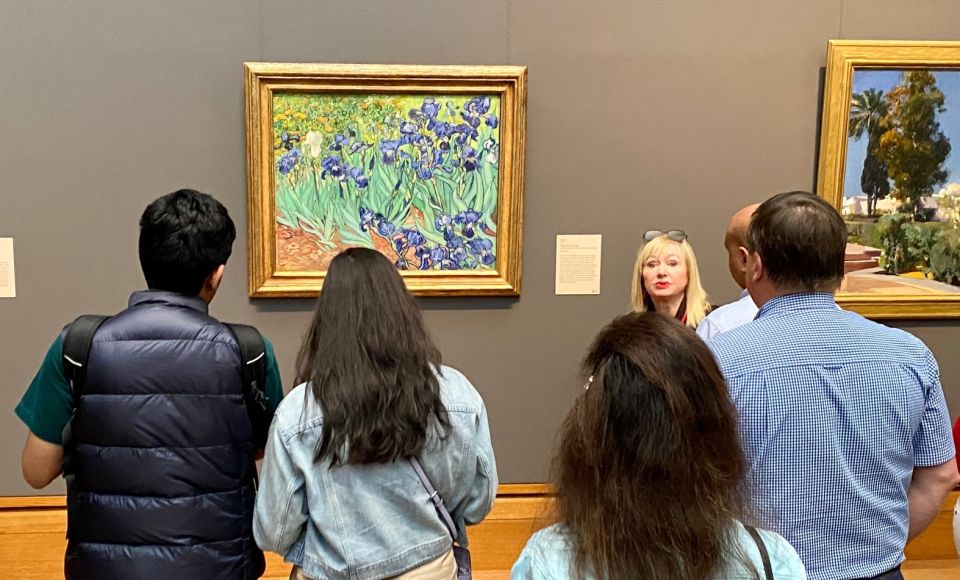
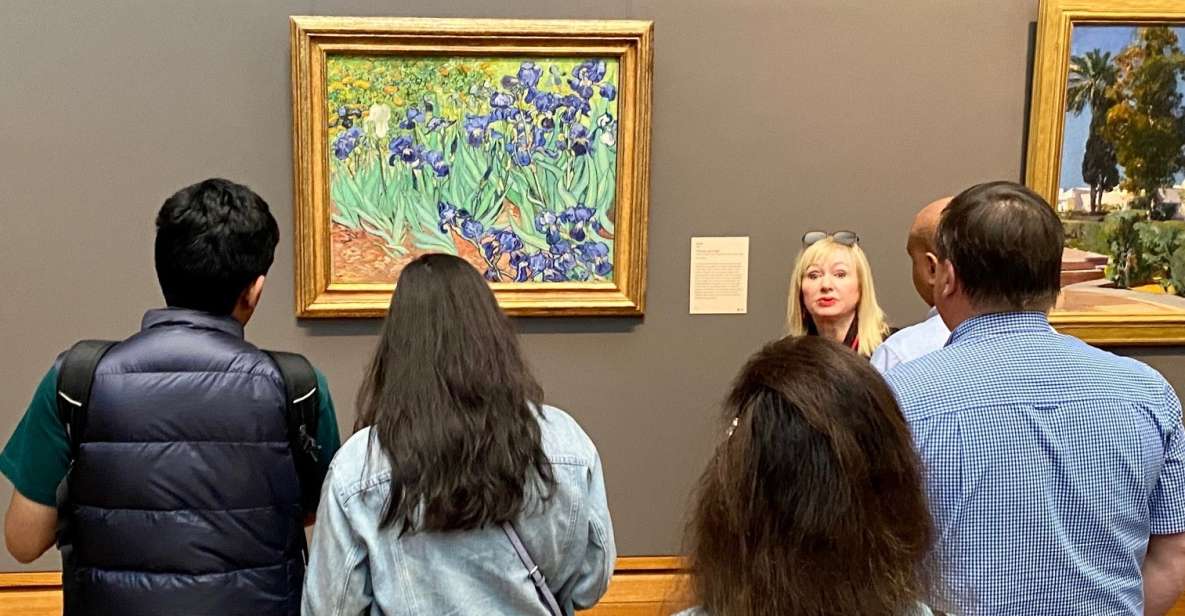
Expect stops that include paintings connected to da Vinci’s workshop, major sculpture highlights like Bernini’s, plus artworks by Rembrandt, Manet, Monet, Renoir, and van Gogh’s Irises. If you want a strong “greatest hits” overview with enough context to make the names mean something, Classic is a solid pick.





Deluxe Tour (adults, about 2 hours)
Deluxe adds more time and more depth. You get everything from Classic plus additional works from each period, including Medieval Manuscripts.
The point here isn’t to see more for the sake of seeing more. It’s to slow down the learning. With a longer window, the guide can explain influences and historical context in a way that helps you connect art across time. If you’ve ever left a museum thinking, That was beautiful, but I don’t know what I just learned—that’s where Deluxe helps.
Grand Tour (adults, about 2.5 hours)
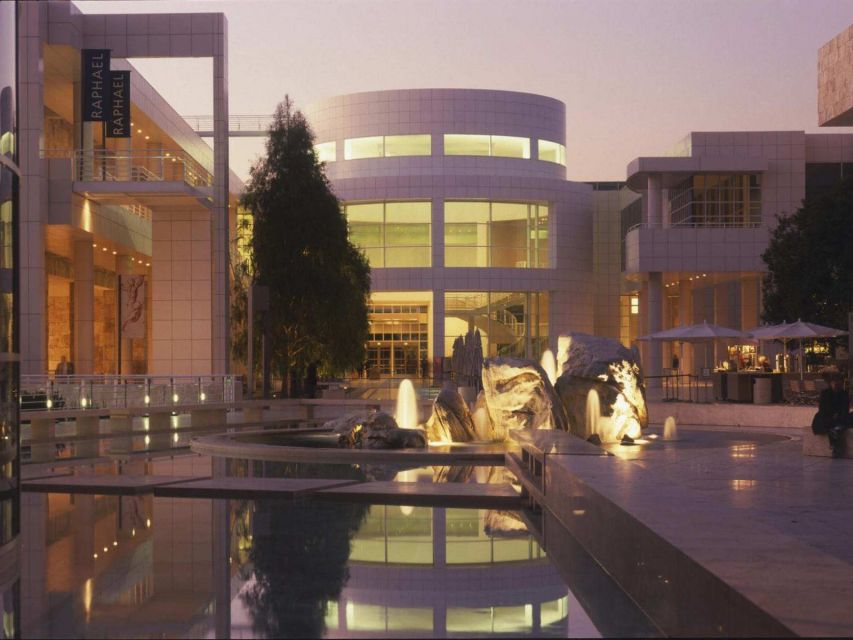
The Grand Tour takes the experience beyond paintings and sculptures and into the Getty itself. You also learn about Richard Meier’s architecture and the Getty family’s history.
This tour includes discussions you won’t usually hear on a traditional museum walkthrough, like copyright issues and AI controversies, plus rare video clips of Monet and Renoir painting. If you like the idea of understanding how art connects to modern questions—how it’s made, owned, protected, and shared—Grand is the one.
What the guide actually does: stories, technique, and smart selection
This is the part that turns the tour from informative to memorable.
Across the experiences I’m drawing on, guides like Sasha, Ellen, and Emily are described as strong narrators who connect multiple angles: the artist’s life, what techniques you’re seeing, and how that shapes the meaning of the work. One guide has even worked at the Getty for years, which shows in the way the route feels intentional and practiced.
A big plus: the guide selects stops that teach. You won’t get a pause-at-every-work museum sprint, especially because the Getty is huge. Instead, you get a sequence of chosen works where each stop builds on the last. That’s how you start to notice patterns—how light works across schools, how realism shifts, how symbolism travels through centuries, and how a painting’s composition is a decision, not an accident.
The best tours also use visuals and quick comparisons. In some versions, you may get extra supporting materials to help you understand technique or contrast styles. You’ll feel it in how your attention changes once the guide points out what to look for.
Classic highlights: how da Vinci to van Gogh becomes a single story
On the Classic track, the museum becomes a timeline you can actually follow.
The guide starts with works tied to da Vinci’s workshop, where the focus often shifts from a single “genius” myth to how training, studio practice, and shared methods shaped what made it onto canvas. That’s a mindset shift. Instead of thinking, What did the artist do?, you start asking, How did the system of making art work?
From there, you move to sculpture with Bernini, which is where technique becomes visible in a new way. Sculpture in a museum can look static unless someone points out the mechanics of movement and design. In a guided setting, Bernini’s dramatic energy starts making sense as choices the artist engineered.
Then you hit the painters most people recognize—Rembrandt, Manet, Monet, Renoir, and van Gogh’s Irises. The value isn’t that you see famous names. It’s that you learn how the periods reflect bigger changes in Europe: subjects, style, brushwork, and what artists believed the viewer should feel. Classic is for getting that framework quickly, so later—when you wander on your own—you can actually spot what’s going on.
Deluxe depth: adding Medieval Manuscripts and context that clicks
Deluxe takes that same approach and gives you more time to connect the dots.
Including Medieval Manuscripts is a smart move because it forces you to expand what you think counts as art. Manuscripts aren’t just historical documents—they’re visual worlds with design decisions, imagery, and meaning packed into a format that demands close looking.
With extra time, the guide can slow down the comparisons. You’re more likely to hear how artistic influences traveled—through patronage, technique, and cultural priorities—and how later artists built on (or reacted against) what came before.
This is also a better fit if art isn’t your comfort zone. The guide’s job is to translate complexity into clear sightlines, and the extra minutes help that translation land. You’re not just rushing through scenes; you’re learning how to interpret them.
Grand Tour add-ons: Meier, Getty family history, and modern debates
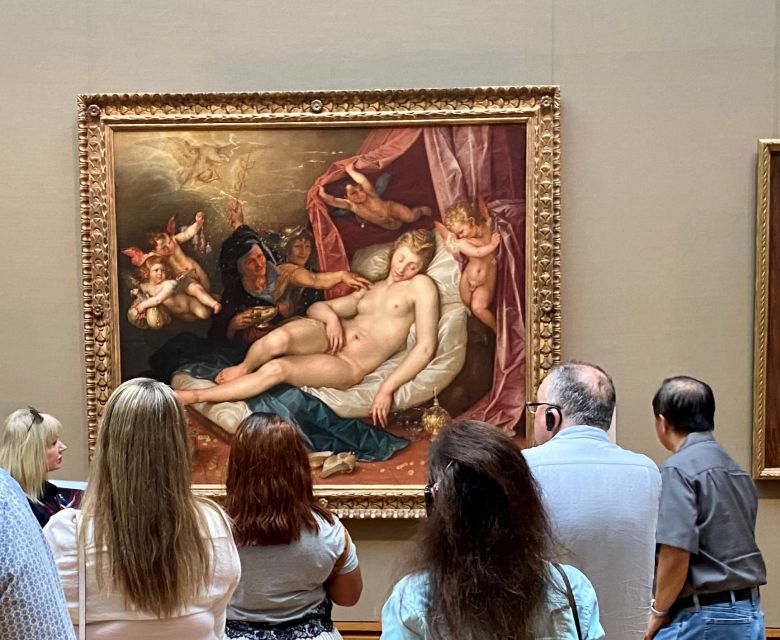
The Grand Tour is the one for people who like museums as more than display rooms.
Learning about Richard Meier’s architecture gives you a new lens for the Getty Center itself. The building isn’t just background; it affects how you experience the collection—how light hits surfaces, how spaces guide movement, and how the museum’s design shapes what feels important.
Then the discussion about the Getty family’s history puts the collection in a human story. The guide frames not only who made art, but who helped build the institution that protects and displays it.
Finally, the Grand Tour brings modern conversation into the gallery. You may talk through copyright issues and AI controversies, plus see rare video clips of Monet and Renoir painting. That combination works well because it turns “old art” into present-day questions: Who owns the image? How should modern tools interact with the art world? How do we document craft without flattening it into a product?
If that sounds like your kind of museum visit, Grand is a great choice.
Kid-friendly looking: how Just for Kids turns art into a game
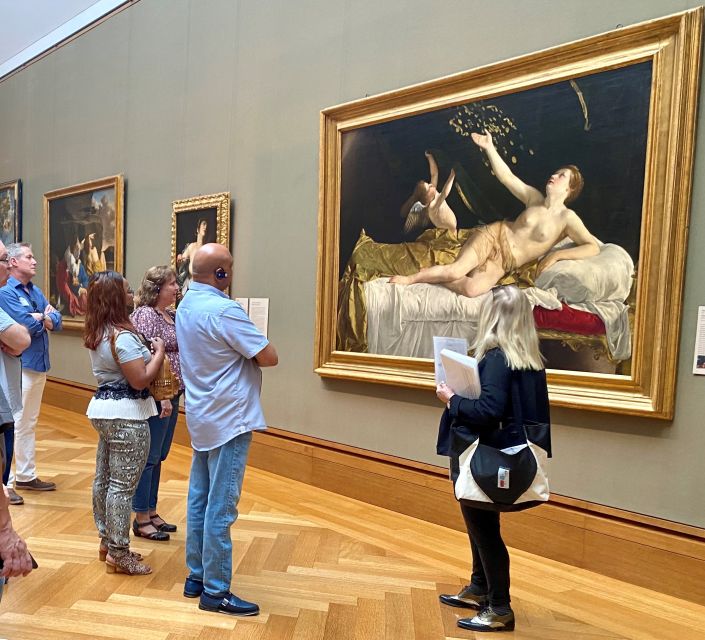
The kids tour is designed to keep attention where it matters—inside the artwork, not just in the room.
The scavenger-hunt and detective-style format helps children practice careful looking. Instead of hearing endless facts, kids search for visual clues and follow a story. The storytelling angle matters because kids don’t separate art history from narrative; they naturally absorb it when it’s presented like a mystery or a challenge.
The hands-on materials make a difference too. When children handle or work with things like sculpture molds, or explore papyrus, they gain a physical understanding that helps the art in front of them feel less untouchable. That’s the moment when art clicks.
And yes, you’ll want to plan for the adult-kid ratio: 1 adult per 3 children, with a total maximum of 6 children plus 3 adults. If your group fits that structure, the tour is set up to feel manageable instead of chaotic.
Pace and expectations: the trade-off with a guided route
Here’s the one consideration I’d flag.
These tours are structured. They’re designed to hit the right works, explain them with context, and keep the group moving so you stay within time. That can mean you’ll get fewer long pauses to wander room-to-room on your own during the guided portion.
One person noted a desire for the guide to spend a touch less time per room so they could look around more before moving on. That’s a helpful reminder for you to set expectations: if you want extra unstructured time, build it into your day before or after the tour.
In other words, treat the guided section like the brain-starter. Then let the museum become yours during any free time you choose to add.
Price value: $225 per group up to 6, and what that buys you
At $225 per group (up to 6), the pricing works best when you treat it like a private lesson rather than a ticket add-on.
The big value point is that the tour price includes Getty Center museum admission (tickets are emailed after booking). That means you’re not paying separately for entry just to get a guide. You’re buying a guided experience that wraps entry into one cost.
For a small group, the per-person math gets much easier than most private tours. You also gain something you can’t easily schedule on your own: a route that connects works into a learning arc. And since the group is small, you’re far more likely to get questions answered at the right moment, not after you’ve already moved on.
Two practical costs to remember: parking is extra (listed as $25 per car) and snacks/drinks aren’t included. So budget for the car if you’re driving, and plan to hydrate during your museum time (without food inside the galleries).
Practical tips so your tour feels smooth
Here are the small things that matter at the Getty Center:
- Wear comfortable shoes. You’ll walk, and you’ll want your feet to feel calm.
- Skip flash photography. It’s not allowed, and you’ll avoid awkward reminders mid-tour.
- If your group is 6 or more, you should have listening devices available. If you’re smaller, you can still request them.
- This tour doesn’t include a general audio guide, so rely on the live guide plus the provided assisted listening devices when offered.
- If you need it, The Getty provides wheelchairs and strollers at no charge, and the tour is wheelchair accessible.
Also, keep your expectations aligned with the route. The guide is selecting highlights, so you’ll see key works and leave with a framework. Then, if you have time, you can go back and hunt the details that made an impression during the tour.
Should you book the Getty Center guided tour?
Book it if you want art to make sense fast. You’ll get an art historian guide, a carefully selected route, and thoughtful discussions that change how you look at major artists—from da Vinci and Rembrandt to Monet and van Gogh. The private format helps a lot, especially for families and groups who don’t want to be swallowed by museum crowd energy.
If you’re traveling with kids, the Just for Kids option is the easiest way to keep them engaged without turning the day into a negotiation.
Skip it only if your dream museum visit is slow, open-ended wandering with tons of unscheduled time. This tour is structured on purpose. You can always add extra free time around it, but the guided portion won’t become a choose-your-own-adventure.
FAQ
How much does the Getty Center guided tour cost?
It costs $225 per group, up to 6 people.
How long is the tour?
Tours run from about 90 minutes to 2 hours, depending on availability. There are also specific options: the kids tour is about 1 hour, and the Grand Tour option is longer.
Does the price include museum admission?
Yes. The tour price includes Getty Center entry tickets, which are emailed after booking.
Is this a private tour?
Yes. It’s a private group experience.
What tour options are available?
There are four options: Just for Kids (1 hour, ages 6–12), Classic (about 1.5 hours for adults), Deluxe (about 2 hours for adults), and Grand Tour (about 2.5 hours for adults).
What languages are the live guides?
The live tour guide is available in English and French.
Are there listening devices?
There’s no general audio guide. Assisted listening devices are provided at no charge for groups of 6 or more (or by request), and they are UV-sanitized.
Is the tour wheelchair accessible?
Yes. The tour is wheelchair accessible, and The Getty also provides wheelchairs and strollers at no charge.
What should I bring and what is not allowed?
Bring comfortable shoes. Food and drinks are not allowed, and flash photography is not allowed.
Is cancellation free?
Yes. Free cancellation is available up to 24 hours in advance for a full refund.