REVIEW · LOS ANGELES
Manson Family Murders Funeral Limo Tour in LA
Book on Viator →Operated by Grave Line Tours · Bookable on Viator
Manson history is heavy, but this tour keeps it structured and human. You’ll move through key LA locations connected to the Manson Family, with era music and context-focused storytelling that avoids sensational retellings. One drawback: this is serious, disturbing true-crime material, so it’s not for you if graphic themes really throw you off.
I also like the small size (max 8) and the way guides such as Ansley and Blaze manage questions in the moment without turning the ride into a lecture. You start at Ovation Hollywood, spend about three hours in the limo, and end back where you began—clean, efficient, and easy to fit into a day.
In This Review
- Key highlights you’ll care about
- Funeral Limo Meets LA True-Crime Sites
- Price and timing: what $93.08 gets you
- Where you start at Ovation Hollywood (and why it matters)
- Inside the limo: how the experience feels during the drive
- Stop 1: The Tate/Polanski cottage site and the meaning of place
- Stop 2: The LaBianca house and why the details stick
- Stop 3: Spahn Movie Ranch state park and the cult’s California fantasy
- Stop 4: Dennis Wilson nights and the Hollywood connections
- The guides matter: what Ansley and Blaze tend to do well
- What’s included (and what you’ll likely want to plan for)
- Who should book this (and who should skip it)
- Should you book the Manson Family Murders funeral limo tour?
- FAQ
- Where does the tour start?
- What time does the tour begin?
- How long is the experience?
- How much does the tour cost?
- Is the tour offered in English?
- Is there a mobile ticket?
- What’s included in the tour?
- Are snacks provided?
- How big is the group?
- Is there anything about the tour that could affect participation?
- What’s the cancellation window?
Key highlights you’ll care about
- Funeral-limo comfort plus a city-drive format that helps you see more than just one neighborhood
- Stop-by-stop context that explains why these places mattered, without turning into pure shock storytelling
- Era music and audio moments that set tone during each location change
- Smartphone-friendly visuals if you have mobile data for the background materials
- Small-group vibe (up to 8 people) so your guide can answer questions as they come up
- Multiple guides (including Ansley and Blaze) with a mix of interviews, music, and on-the-road storytelling
Funeral Limo Meets LA True-Crime Sites
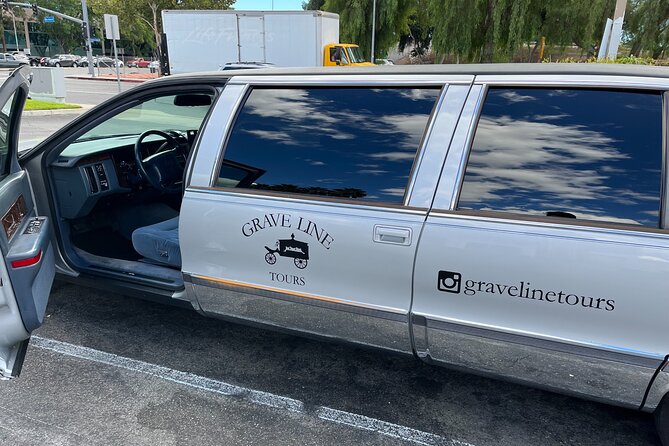
This is a driving tour with a very specific mood: a funeral-style limousine rolling through Hollywood and nearby areas while you follow the thread of the Manson Family story. If you’ve watched true-crime documentaries and thought, Wait—what does this look like from the street?, this format is built for that.
You’re not just checking boxes. The tour is designed as a context-driven experience, with the guide connecting places to the cultural moment around them—so the story lands as social history, not a nonstop horror montage. Expect the guide to frame what happened, why it happened, and how investigators have discussed it over time.
You can also read our reviews of more tours and experiences in Los Angeles.


Price and timing: what $93.08 gets you
At about $93.08 per person for around 3 hours, you’re paying for three things you don’t get on a typical walking tour: a real LA drive, curated stop locations, and a guide who sets tone with music and background materials. The limo also keeps the experience moving, which matters in LA when parking and traffic can eat your day.
It’s also booked fairly far ahead on average (about a month), so if your dates are firm, it helps to grab a spot early. The tour runs in English and uses a mobile ticket, so planning ahead is part of the value: you’ll spend less time figuring things out at the start.
Where you start at Ovation Hollywood (and why it matters)
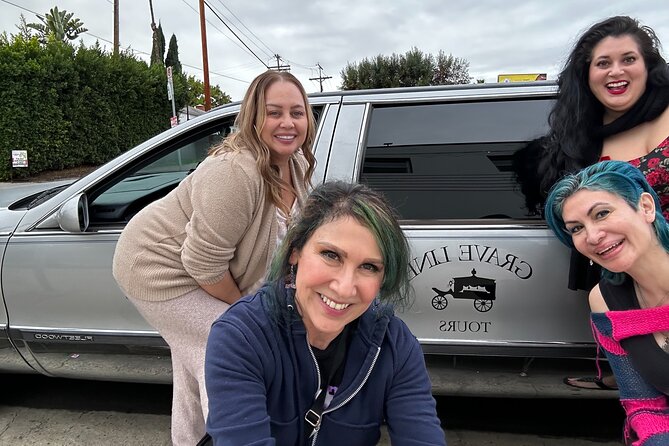
The tour meets at Ovation Hollywood, 6801 Hollywood Blvd, Hollywood, CA 90028 at 10:00 am, then returns you to the same place. That “round trip” matters in LA. You’re not left stranded across town after a heavy topic.
It’s also near public transportation, which is handy if you don’t want to burn time hunting parking. Since the group is limited to 8 travelers, the meeting time usually feels manageable—less chaos, more getting underway.
Inside the limo: how the experience feels during the drive
The ride itself is part of the show. People describe it as comfortable, and the guide uses the travel time to set up what you’re about to see next. You’ll hear period-appropriate music and interviews at the right moments, which helps the story feel tied to its era instead of bouncing around like random facts.
There’s also a practical perk for your phone. The tour provides visual background materials for passengers who have smartphones with data access. If you like to fact-check or want a visual anchor while you’re listening, bring a charged phone and plan on having data available.
Stop 1: The Tate/Polanski cottage site and the meaning of place
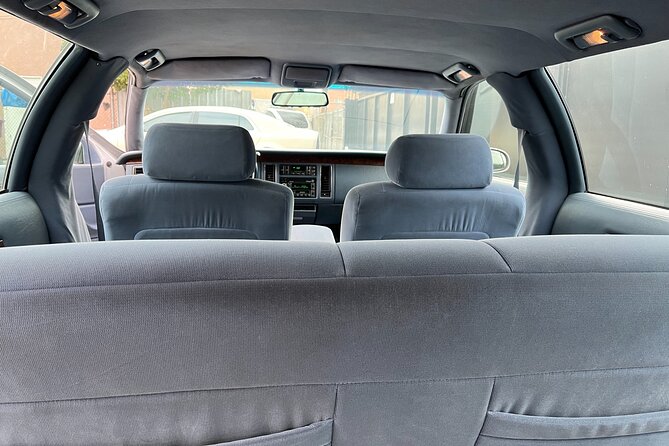
The first major stop is tied to the home where the Tate/Polanski cottage stood—connected to the murders of five people. When you arrive, the point isn’t to treat the location like a movie set. It’s to show how familiar-looking places can become part of a nightmare—and how quickly a story like this becomes mythology.
What I like about this stop is how it can reset your understanding. If you’ve only encountered this case through headlines or sensational clips, the guide’s job here is to slow it down. You’re guided to see the site as evidence of a larger social moment, not just a single crime scene.
Potential drawback to keep in mind: this subject matter is inherently disturbing. If you’re sensitive to emotional or graphic themes, the early minutes can feel intense, so give yourself a little buffer before you go.


Stop 2: The LaBianca house and why the details stick
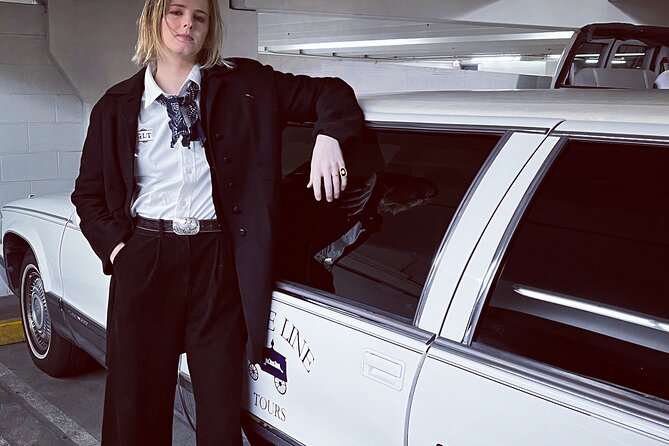
Next, you visit the house where the LaBiancas were killed by the Manson Family. This stop often hits differently because it connects the story to a second set of victims and a broader pattern—one that affected families far beyond the first crime scene.
Here’s what to watch for: a good guide will connect what you see to what investigators discussed later—how evidence and theories shaped public understanding. The tour’s tone aims to keep you grounded in the “what and how,” while still acknowledging the uncertainty and debate that followed.
If you’re coming in hoping for pure shock value, you may find it less satisfying than you expected. But if you want the case explained with restraint and historical context, this is usually where the tour feels most serious in a useful way.
Stop 3: Spahn Movie Ranch state park and the cult’s California fantasy
After that, you head to the state park area where the old Spahn Movie Ranch—and where the Family lived—once existed. This is the stop that helps you understand the “why California” part of the Manson story.
Movie ranches and Hollywood-adjacent spaces weren’t just scenery. In the late 1960s, the area carried a whole image of fame, performance, and escape. Standing near where that ranch existed is a way to grasp how the Family’s reality was shaped by the dream of the place around them—especially when you add the guide’s commentary and the era audio in the limo.
A small consideration: this stop may feel more conceptual than the house stops. You’re connecting the story to a location tied to lifestyle and movement, so it may work best if you pay attention to how your guide explains the relationships between people, place, and time.
Stop 4: Dennis Wilson nights and the Hollywood connections
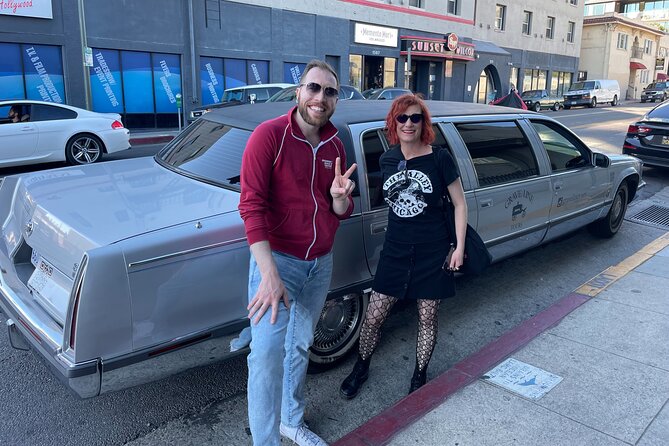
One of the most memorable stops is where Manson used to spend hedonistic nights out with Beach Boy Dennis Wilson in the summer of 1969. This part of the story is about connections—how the wider entertainment world intersected with the Manson orbit.
Even if you came just for the crimes, this stop gives you context for the chaos. Hollywood wasn’t isolated from odd corners; it often collided with them. The guide’s role is to frame these connections in a way that helps you understand the culture that made them possible, without turning it into trivia.
This stop is also a good “emotional pacing” moment. After crime-scene heaviness, the story shifts to relationships and social dynamics—still serious, but sometimes less gut-punch than the houses.
The guides matter: what Ansley and Blaze tend to do well
The biggest pattern across top feedback is the guide. People highlight how guides such as Ansley and Blaze keep attention during the full three hours, using a mix of storytelling tools: commentary, era music, and question-friendly pacing.
You’ll likely notice two things in particular:
- The story is told with respect for the victims, not just fascination with the perpetrator.
- The guide brings in historical context and the kinds of theories investigators discussed in later decades, so your understanding evolves rather than staying stuck on the basics.
If you’re choosing based on vibe, aim for a guide who matches your style. If you like a warm tone that still holds firm on facts and context, both Ansley and Blaze come up often in strong feedback.
What’s included (and what you’ll likely want to plan for)
Included: you get access to visual background materials for smartphone users with data access. That’s a real value-add because it gives your brain something concrete while you’re processing heavy audio.
Not included: snacks. The tour does allow time to purchase coffee and light snacks halfway through. On a three-hour ride with serious topics, that break can matter more than you think—especially if you’re traveling and haven’t eaten.
Also, expect a fairly direct experience: this isn’t a casual sightseeing loop with light commentary. It’s built for people who want this history explained, not just “seen from the outside.”
Who should book this (and who should skip it)
This tour is a good fit if you’re into social history and criminology, and you want a structured route through key LA locations tied to the case. If you also like true-crime documentaries, the limo format plus on-the-road music can make the story feel more grounded in real geography.
It may not be for you if you’re sensitive to extreme subject matter or if disturbing content can seriously upset you. Even with a restrained approach, you’ll be in a vehicle learning about violent crimes and their aftermath.
If you can handle it emotionally, you’ll likely appreciate the balance: facts, context, and period sound designed to help the story make sense.
Should you book the Manson Family Murders funeral limo tour?
Book it if you want a small-group, guided LA drive that connects major Manson-related sites with historical context, using music and interview-style audio to set the era. The price-to-time ratio is reasonable for a chauffeured tour, and the format helps you see multiple locations without logistics stress.
Skip it if heavy true-crime content isn’t your thing, or if you prefer lighter entertainment-style sightseeing. This is intentionally serious. But for the right reader—someone who wants context, not chaos—it’s one of the more structured ways to understand this dark part of Hollywood’s history.
FAQ
Where does the tour start?
The tour starts at Ovation Hollywood, 6801 Hollywood Blvd, Hollywood, CA 90028. It also ends back at the same meeting point.
What time does the tour begin?
The start time listed is 10:00 am.
How long is the experience?
It runs about 3 hours (approx.).
How much does the tour cost?
The price is $93.08 per person.
Is the tour offered in English?
Yes, the tour is offered in English.
Is there a mobile ticket?
Yes, the tour includes a mobile ticket.
What’s included in the tour?
You’ll have access to visual background materials for passengers with smartphones that have data access.
Are snacks provided?
Snacks are not included. There is an opportunity to purchase coffee and light snacks halfway through the tour.
How big is the group?
The maximum group size is 8 travelers.
Is there anything about the tour that could affect participation?
The experience requires good weather. Most travelers can participate, but it is not recommended if you’re sensitive to extreme subject matter.
What’s the cancellation window?
You can cancel for a full refund up to 24 hours in advance of the experience start time.