REVIEW · PASADENA
Pasadena: Haunted Walking Tour
Book on GetYourGuide →Operated by US Ghost Adventures · Bookable on GetYourGuide
Pasadena gets under your skin fast. This haunted walking tour mixes ghost stories with hard local truths, from race conflict to murder lore, all around key landmarks. You’ll meet at Pasadena City Hall and move through seven historic stops with a guide carrying a lantern.
I especially like how the stories are tied to specific places you can picture right away, like Route 66’s Suicide Bridge. I also like that you’re not just hearing spooky noise; you get context about sundown towns, race riots, and gangland murders. It turns “haunted” into a way to understand a city’s past, not just a campfire routine.
One thing to consider: the tone can be intense and unsettling, and it’s not suitable for people with mobility impairments. If you want a strictly light and silly ghost tour, this may feel heavier than you expect.
In This Review
- Key Highlights You’ll Want to Know Before You Go
- Ghosts With Names, Places, and a Reason to Care
- Where the Tour Begins: Pasadena City Hall and the Lantern Look
- Seven Haunted Stops in One Hour: How the Pace Really Feels
- Suicide Bridge on Route 66: The Stop People Will Remember
- The Underground and the Unsaid: Sundown Towns and Race Riots Context
- Bunker Experience Basement: Why People Get Sad on the Property Floor
- Castle Green Balcony and the Sculptor’s Death
- The Guide Factor: Fun Delivery Meets Varying Depth
- Value for $24: What You’re Paying For and Why It’s Fair
- Who This Tour Suits Best
- Practical Tips So You Get the Most Out of It
- Should You Book This Haunted Walking Tour?
- FAQ
- Where does the haunted walking tour start?
- How long is the tour?
- How much does it cost?
- What should I bring?
- Is video recording allowed?
- Is the tour suitable for people with mobility impairments?
- Can I get a refund if my plans change?
Key Highlights You’ll Want to Know Before You Go
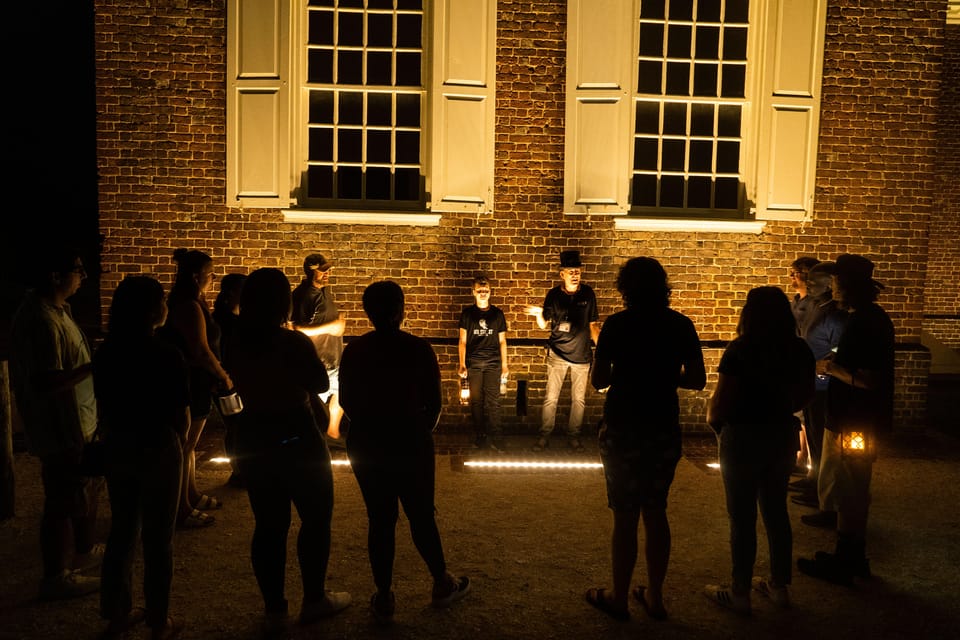
- Pasadena City Hall starting point with a guide in a black US Ghost Adventures t-shirt and a lantern
- Route 66 Suicide Bridge as a central stop for true ghost lore
- Underground tunnel talk, plus city secrets tied to the dark side of Pasadena’s past
- Bunker Experience basement stories, including eerie reactions people get on the property floor
- Castle Green balcony tale, including a sculptor’s death tied to a ghost encounter
- Seven historic haunted locations covered in about one hour
Ghosts With Names, Places, and a Reason to Care
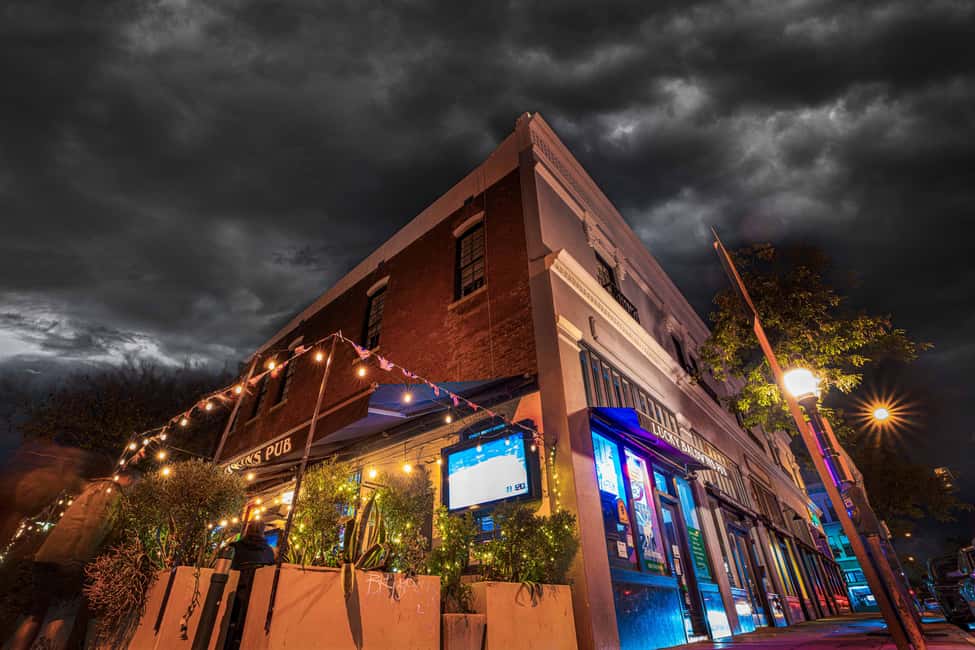
Pasadena can look all sunlit arches and Spanish details from a distance. On this tour, you learn that the city’s story has another layer, one made of fear, conflict, and rumors that refused to go away.
What makes the experience work is the structure: you’re led through real addresses and recognizable landmarks. That means the scares land harder, because you can connect them to streets you can actually walk later. You’re also told the darker threads of local history alongside the supernatural tales, so you’re not stuck with only one flavor of “creepy.”
You’ll also have a fun-loving group, which matters more than people think. Ghost stories can feel awkward if the room is silent and tense. A good group keeps the pace moving and helps you stay present without turning the tour into a long, uncomfortable stare-fest.
The tour is also short enough to keep your energy. You’re out there for about an hour, so it’s a focused hit of spooks and context, not an all-night marathon.
Where the Tour Begins: Pasadena City Hall and the Lantern Look
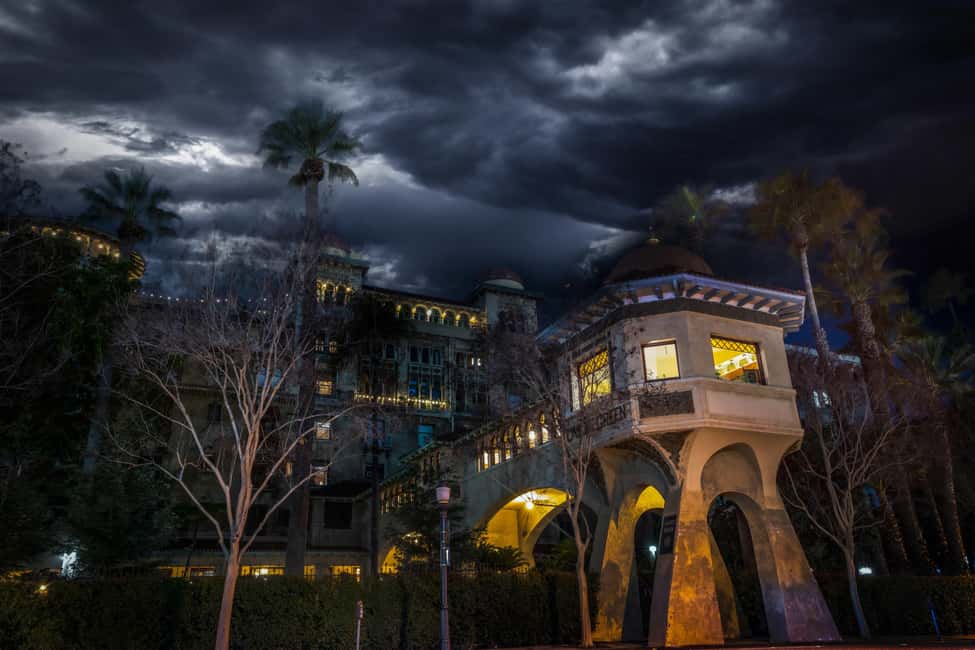
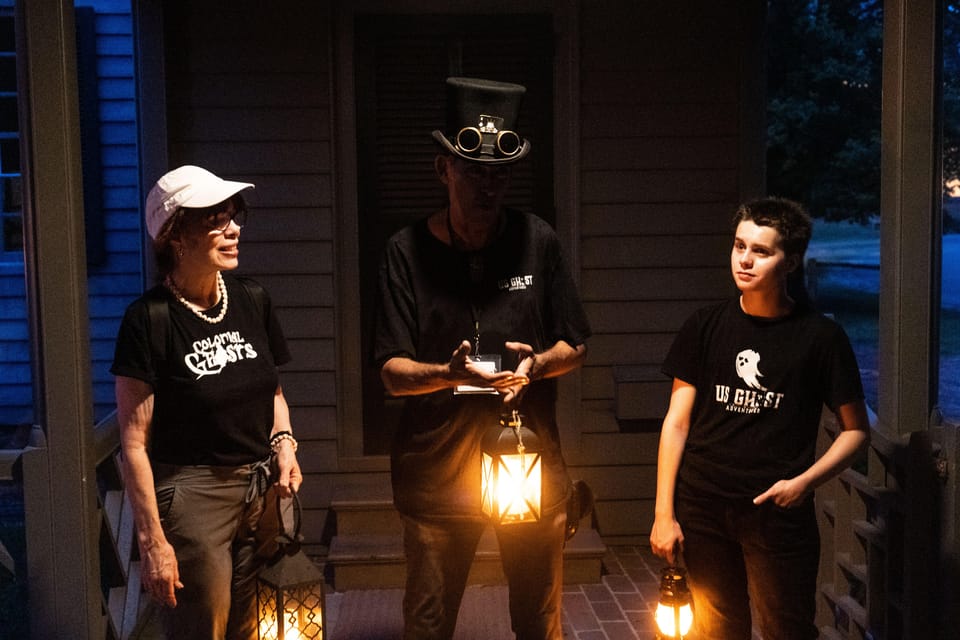
You’ll start at Pasadena City Hall, 100 Garfield Ave, Pasadena, CA 91101. The guide will be wearing a black US Ghost Adventures t-shirt and carrying a lantern, so it’s easy to spot the right person and get settled without fuss.
Arrive about 15 minutes early. That buffer helps you line up, hear any quick notes, and get ready to walk before the stories start. Since this is a walking format, being early also means you’re not rushing your shoes or posture when it’s time to move.
You should wear comfortable shoes. Even if the tour doesn’t sound like a “hike,” you’ll be on your feet for the whole hour, plus you’ll likely pause at multiple stops for the guide’s story and the group’s attention.
Weather matters too. You’ll want clothing that works for whatever Pasadena is doing that day, since you’ll spend time outside and close to buildings, gates, and boundaries that may feel exposed after dark.
Seven Haunted Stops in One Hour: How the Pace Really Feels
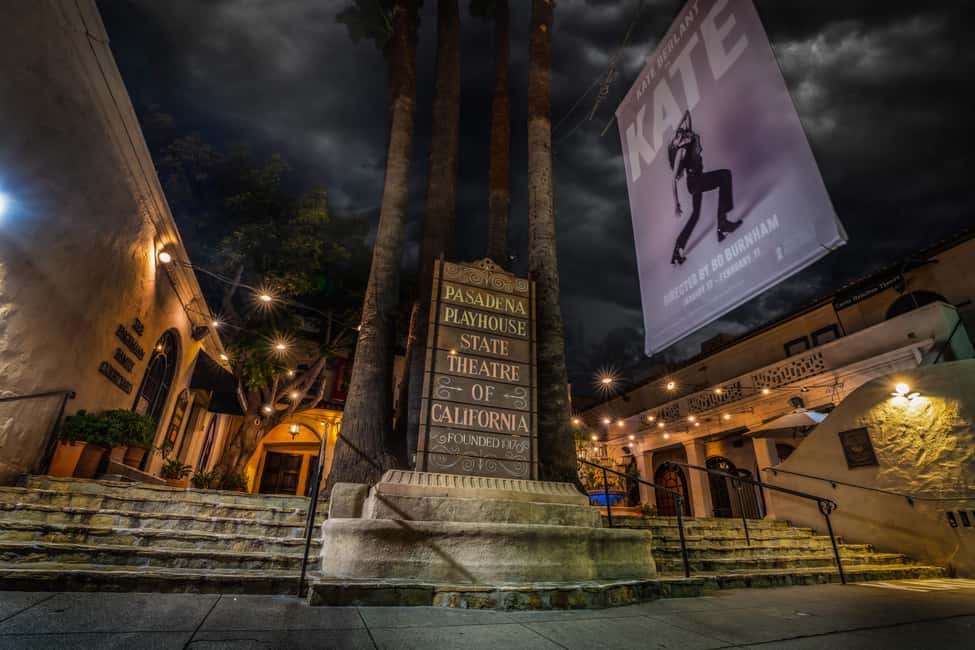
The tour covers seven historic, haunted locations. That’s the core promise: a tight route that keeps the momentum going while still giving you place-based storytelling.
Here’s the practical way to think about it. In an hour, you won’t get deep archival research for each stop, and you won’t have time to wander off-plan. Instead, you get a sequence of “story anchors,” where each location adds a new chapter to the overall mood.
That’s also why the stops are so varied. You’ll hear about deadly love triangles, beings connected to underground tunnels, and gangland murders. Then the route shifts into ghost lore tied to specific sites, including Route 66’s Suicide Bridge and the Castle Green balcony tale.
If you like tours where you finish with a clear list of places and feelings, this format is ideal. If you need lots of free time for photos or independent exploration, you may feel a little pressed.
Also note one rule that affects your experience: video recording is not allowed. Photos may or may not be addressed in the details you receive on the day, but video is explicitly off the table, so plan to rely on your memory and written notes.
Suicide Bridge on Route 66: The Stop People Will Remember
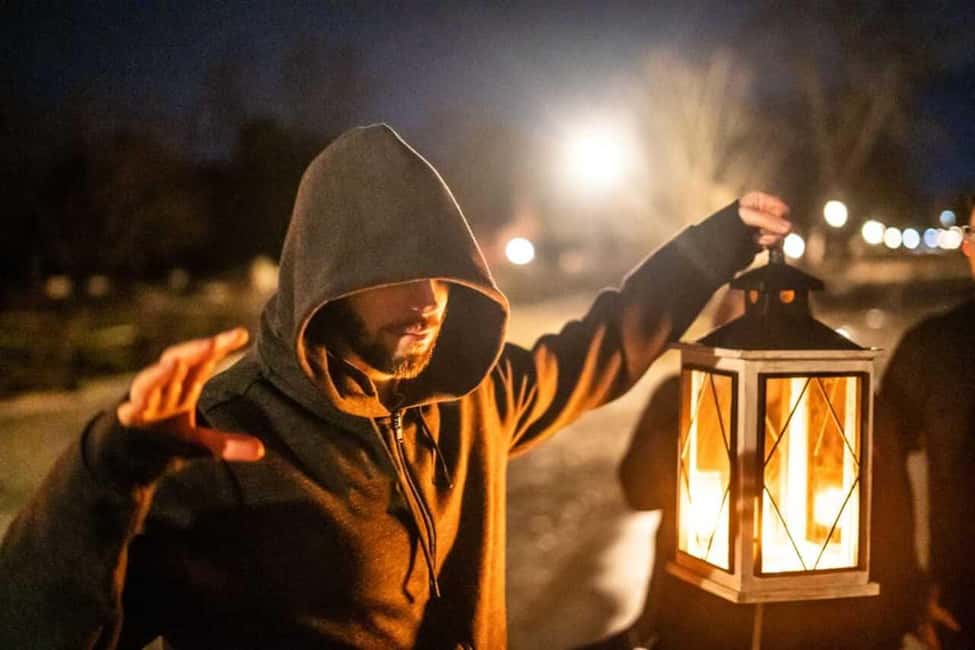
Route 66’s Suicide Bridge is described as one of the tour’s most terrifying locations. The way it’s presented matters: you’re not only hearing a generic ghost legend. You’re hearing tales of beings and experiences linked to the area, framed as true and local.
This is a great stop for two reasons. First, it ties Pasadena to a larger American mythos, since Route 66 is the kind of thing people already recognize. Second, it’s a place where emotion and mood naturally amplify stories. Standing near a landmark like this gives your imagination something solid to attach to.
When the guide talks here, pay attention to how the story is connected to the city around it. The tour’s big theme is that the “haunting” isn’t random. It’s threaded into how people lived, fought, built, and covered up parts of the past.
If you’re the kind of traveler who enjoys learning how neighborhoods got their reputations, this is the moment where the tour’s darker context clicks into place.
The Underground and the Unsaid: Sundown Towns and Race Riots Context
One of the tour’s standout themes is sundown towns and race riots in California. This matters because it turns the tour from spooky entertainment into something more human and more grounded.
You’ll hear about hidden history tied to conflict and exclusion. Even when the story goes supernatural, the tour keeps pointing back to the idea that fear can be social, not just supernatural. That shift is why some people leave feeling unsettled in a meaningful way rather than just entertained.
The tour also includes references to gangland murders and deadly love triangles. Those kinds of stories have always traveled well in cities, especially when official records are incomplete or when communities passed rumors person to person.
In other words, you’re not just collecting ghost facts. You’re building a map of how Pasadena’s past can still shape what people whisper about today.
One practical tip: if you’re sensitive to heavy topics, mentally prepare for that. The tour is designed to be dramatic, and some of the historical material is not light.
Bunker Experience Basement: Why People Get Sad on the Property Floor
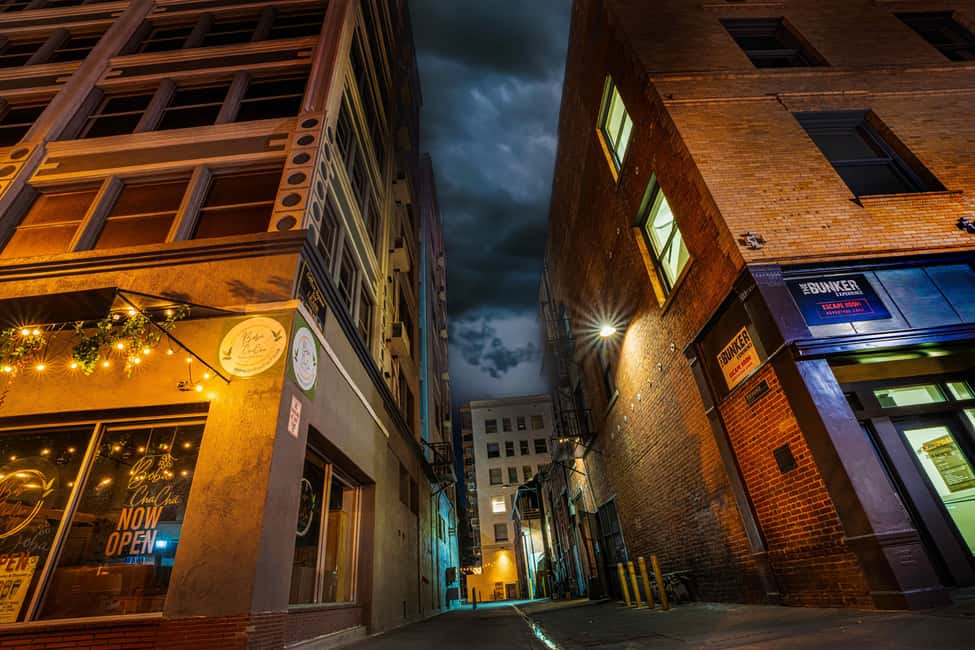
Another highlighted stop is the Bunker Experience, including what’s said about its basement. The tour description points to a specific kind of reaction people get when they step onto the property floor: a tinge of sadness.
That line is more than a scare tactic. It signals that this tour tries to connect “the vibe” of a place to the stories being told. Basements, tunnels, and enclosed areas tend to produce a certain physical feeling, and the guide leans into that.
If you like tours where the guide pays attention to the mood of the setting—how sound carries, how lighting changes your sense of space—this stop should land well.
You’ll also be hearing about mysterious creatures and underground details tied into the broader narrative of Pasadena’s secrets. The goal is to make the basement feel like part of the city’s unseen infrastructure, not just a spooky room.
Castle Green Balcony and the Sculptor’s Death
The Castle Green stop is built around a balcony story, including a sculptor who was pushed to his death by a ghost. That’s the kind of detail that gives a walking tour its adrenaline.
What I find useful here is the specificity. Ghost stories get stronger when they include a clear scene: a balcony, a fall, a moment witnessed or imagined. You can picture it, and you can also imagine where the guide wants you to stand to make the story feel real.
The tour also references eerie figures described as men in white lurking on ruins connected to an abandoned lumber baron’s estate. That detail adds a visual signature to the route, so it’s not just “something spooky.” It’s a recurring image with a location attached.
This is also a good moment to stay engaged with your guide’s pacing. In one hour, each stop relies on your attention at the right time. If you’re chatting constantly or distracted, you’ll miss the little connections that tie the route together.
The Guide Factor: Fun Delivery Meets Varying Depth

A haunted tour lives or dies on the guide’s delivery. Here, you get an expert-led format with a lantern-carrying host and stories presented as researched and credible.
The best example of what works: one guide named Angelina is praised for running the tour fantastically, mixing fun with strong city information, and answering questions well. If you’re lucky enough to get a guide with that balance—story plus smart answers—you’ll get a more complete experience than you’d expect from a one-hour walk.
At the same time, there’s a reasonable consideration for you. If your goal is heavy fact-checking and you ask detailed questions, you might run into moments where the guide’s knowledge isn’t as deep as you hoped. The guide can still be enthusiastic and engaging, but depth may vary.
My advice: come with curiosity, but also accept the tour is designed for storytelling and atmosphere in a limited time window. If you ask one or two thoughtful questions, you’ll likely enjoy the answers more than if you try to turn it into a classroom.
Value for $24: What You’re Paying For and Why It’s Fair
This tour costs $24 per person for about one hour. That price makes sense if you compare it to the overall value of a guided, themed walking experience with place-based storytelling. You’re not paying for transportation, and that keeps the cost focused on the guide and the story work.
You also get structure. With a fixed meeting point and a route through multiple key sites, you don’t have to figure out what’s worth seeing after dark. For many visitors, that alone is worth the money because it saves time and prevents aimless wandering.
The tour includes:
- a live guide
- well-researched, credible history
- thrilling ghost stories
What’s not included:
- transportation
- guide tip
So the real question isn’t only price. It’s whether you want a guided, time-efficient night walk that mixes local dark history with supernatural lore. If yes, $24 is a fair entry ticket. If you’re after a long, slow “research tour” with lots of pauses for independent exploration, the short duration might not match your expectations.
Who This Tour Suits Best
This is a strong pick if you want a night activity that’s:
- walkable and paced for an hour
- story-driven with dramatic atmosphere
- connected to real local locations like Suicide Bridge and Castle Green
It’s also a good fit for people who like history that has bite. The tour touches topics like race conflict, sundown towns, and murders, wrapped in ghost lore. If your travel style is part “spot the details,” part “hear the local stories,” you’ll probably enjoy it.
You should skip it if you:
- need mobility access accommodations, since it’s not suitable for people with mobility impairments
- want something strictly lighthearted, because the tone and themes can feel dark
Practical Tips So You Get the Most Out of It
A haunted walking tour is usually the easiest kind of outing to overthink. Don’t.
Bring comfortable shoes and dress for the weather. The route includes multiple stops, and you’ll be standing around as the guide tells stories. Also remember the rules: no smoking, and no alcohol or drugs.
Leave video recording behind. It’s not allowed, so plan to use your phone for notes or still photos if permitted on the day, but assume video won’t be part of your plan.
Finally, set your expectations for pace. This is one hour, and the guide wants you with them at each location. If you’re the kind of traveler who likes to linger, you may have to adjust your style. Think of it as a guided sequence, not an open-ended roam.
Should You Book This Haunted Walking Tour?
If you want a one-hour Pasadena night experience that combines haunted storytelling with specific local landmarks and serious history themes, I think you should book it. The $24 price lands well for the time and the number of stops, and the lantern-led structure makes it easy to enjoy without planning.
Book it especially if you’re the type who likes your ghost stories tied to place, not just generic legends. Suicide Bridge and Castle Green are the kind of anchors that make the night feel memorable.
Skip it if you’re mobility-restricted or if you need deep, question-by-question academic coverage. This is a dramatic walking tour, so bring curiosity, wear good shoes, and let the city’s darker side do what it does best.
FAQ
Where does the haunted walking tour start?
It starts at Pasadena City Hall, 100 Garfield Ave, Pasadena, CA 91101. The guide is wearing a black US Ghost Adventures t-shirt and carrying a lantern.
How long is the tour?
The tour is about 1 hour. Starting times vary, so you’ll need to check availability.
How much does it cost?
The price is $24 per person.
What should I bring?
Wear comfortable shoes and bring weather-appropriate clothing.
Is video recording allowed?
No. Video recording is not allowed.
Is the tour suitable for people with mobility impairments?
No, it is not suitable for people with mobility impairments.
Can I get a refund if my plans change?
Yes. There is free cancellation up to 24 hours in advance for a full refund.