REVIEW · SANTA MONICA
Santa Monica Sinister Sins & Sorrow Ghost Tour
Book on Viator →Operated by Santa Monica Ghosts By US Ghost Adventures · Bookable on Viator
Santa Monica at night has a second voice. This 90-minute ghost walk turns the usual postcard sights into story stages, from the Santa Monica Pier Arch to the end of Route 66 and beyond. You’ll hear how the shoreline, the roads, and the old nightlife legends weave together into haunted local lore.
What I like most is the human side: you don’t get rattled-off facts, you get a guided narrative. Guides such as Miles and Travis tend to be engaging and fast-moving, and you’ll finish with a new sense of Santa Monica’s texture. The one drawback to keep in mind: this isn’t always a jump-scare kind of tour. A few folks found it more history-leaning than scary, and on at least one tour the microphone wasn’t always clear.
In This Review
- Key points before you go
- At 8 pm, Santa Monica goes from postcard to creepy
- What you actually do on the walk (and why it feels personal)
- Pier-to-Palisades Park: the Pier Arch, lost jewelry, and a cannon statue
- Arizona Avenue Pedestrian Bridge and St. Monica’s statue: shadow figures and Day of the Dead
- The Georgian Hotel and its Old Hollywood ghost orbit
- Pier Carousel rumors: the 1960s apartments that changed everything
- A 1950s dive bar stop with Alan Sheppard, elephants, and Julia Roberts energy
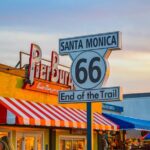
- Route 66’s end and why Santa Monica’s ghost stories keep moving
- Price, sound, and how to get the most for $32
- Should you book Santa Monica Sinister Sins & Sorrow?
- FAQ
- How much does the Santa Monica Sinister Sins & Sorrow Ghost Tour cost?
- How long is the tour, and when does it start?
- Where is the meeting point?
- What language is the tour offered in, and do I get a ticket on my phone?
- Is the tour wheelchair accessible?
- Can I cancel and get a full refund?
Key points before you go
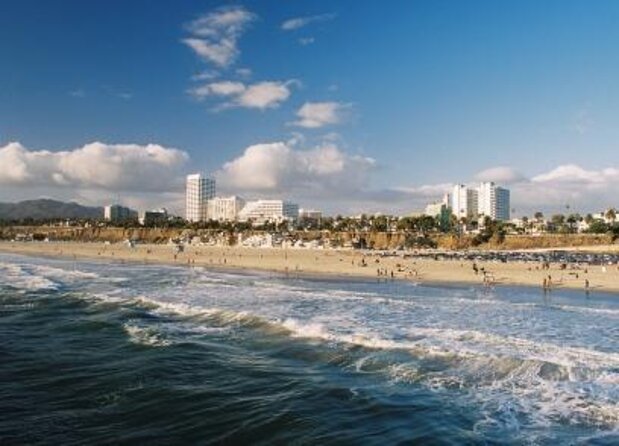
- Pier-to-city landmark route: You’ll cover iconic stops like the Pier Carousel, Ocean Avenue, and the Pacific Coast Highway area.
- Route 66’s ghost thread: The tour connects the highway’s “end” to the haunted past people associate with Santa Monica.
- Multiple haunt styles: Spirits tied to specific places, people, and eras, not one generic spooky story.
- Strong guide energy: Guests singled out hosts like Miles and Travis for being engaging, funny, and informative.
- Expect a walking story tour: Wear comfy shoes and plan on listening closely—this is more narrative than special-effects theater.
At 8 pm, Santa Monica goes from postcard to creepy
Santa Monica at dusk is already pretty. After dark, it also becomes a little strange in the best way. This tour starts at 8:00 pm, which matters because you’re walking through the area when the light, the noise, and the mood all shift at once.
You’ll be in English, and you’ll get a mobile ticket, which keeps things simple when you’re juggling dinner plans. The route is designed so you’re not just standing in one spot waiting for a scare. Instead, you’re moving between places that each have their own reputation—pier structures, bridges, statues, and old nightlife corners.
And yes, it’s a ghost tour. Still, the best part is how the stories are tied to real geography. When you’re standing by the landmarks, the legends sound less like campfire fiction and more like local memory—passed around, argued about, and kept alive because people keep seeing the same themes.
You can also read our reviews of more tours and experiences in Santa Monica.

What you actually do on the walk (and why it feels personal)
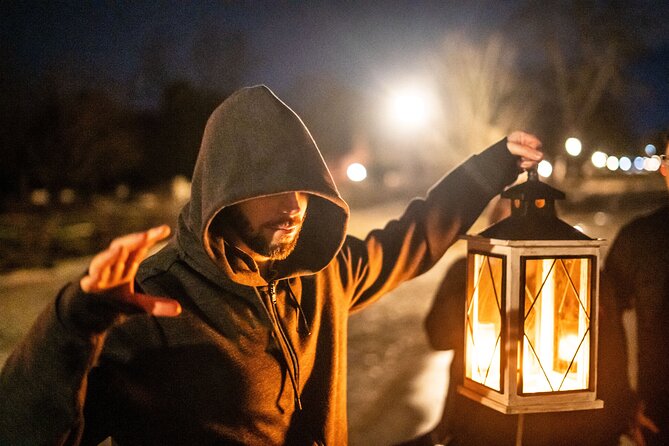
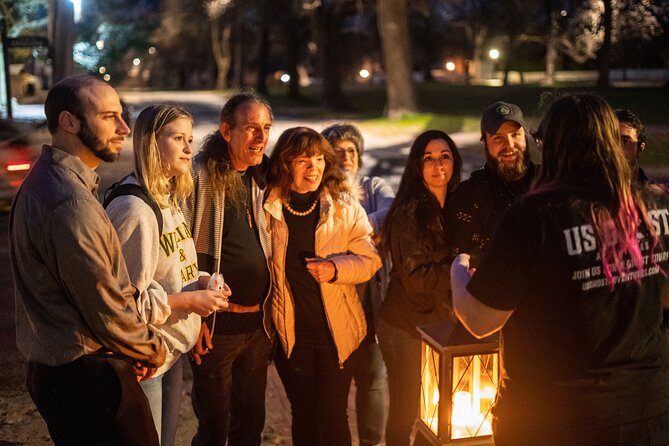
Plan for a relaxed but steady 1 hour 30 minutes of walking. The tour is capped at 30 travelers, so it’s not a huge crowd moving in a blob. That limit helps your guide keep the flow, and it helps you stay close enough to hear.
This is a guided walking tour where the host leads you from stop to stop and explains what makes each location part of Santa Monica’s haunted past. You’re not given noise-making props or theatrical effects. The “investigation” is mostly your guide pointing out patterns: why people link certain areas to certain stories, and what historical changes might have fed the rumors.
One practical tip I’d steal: go in with your expectations tuned to listening. One guest complained they couldn’t hear at times because of the surrounding commotion, and that’s a real risk at a beach-and-promenade setting. If the group spreads out, angle yourself toward the guide and don’t be shy about adjusting your position.
Guides like Miles, Travis, and Mihaela came up repeatedly in positive feedback for being personable and engaging. On a cold, misty night, another guest said the host didn’t rush them—exactly what you want when the weather makes everything feel sharper.
Pier-to-Palisades Park: the Pier Arch, lost jewelry, and a cannon statue
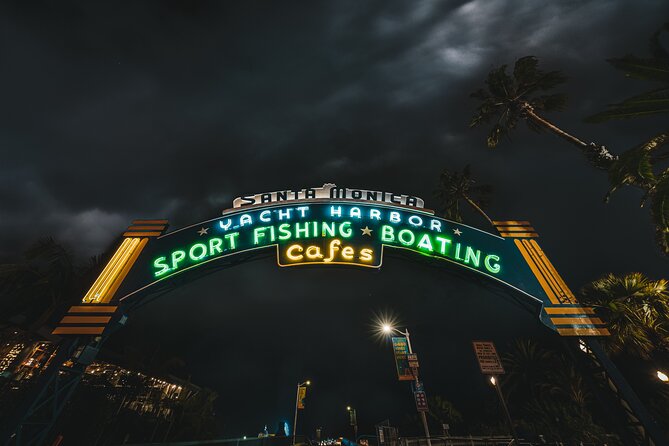
Your tour begins at 200 Santa Monica Pier, right by the place that practically defines the skyline. The Santa Monica Pier Arch isn’t treated like a generic photo spot. You’ll hear how it functions as a kind of gateway, and how local darkness attaches itself to iconic fixtures people visit every day.
Next comes Palisades Park, where the story centers on the cannon statue. Here, the legend is less about what you see and more about what you do. If you find lost jewelry, the local ghost logic says you should leave it where it is—because taking it might mean you’re messing with the park’s resident spirits.
What I like about this stop is the way it turns a simple park corner into a moral lesson. It’s the kind of legend that spreads because it’s easy to remember and easy to test in the moment. Even if you don’t believe in the paranormal, you end up learning how people in Santa Monica define respect for place.
A small drawback: these legends can vary in tone. If you’re hoping for screaming spooks every five minutes, the story may feel more like a local folktale than a horror set piece. That lines up with multiple impressions from guests who found the tour informative first, scarier second.
Arizona Avenue Pedestrian Bridge and St. Monica’s statue: shadow figures and Day of the Dead
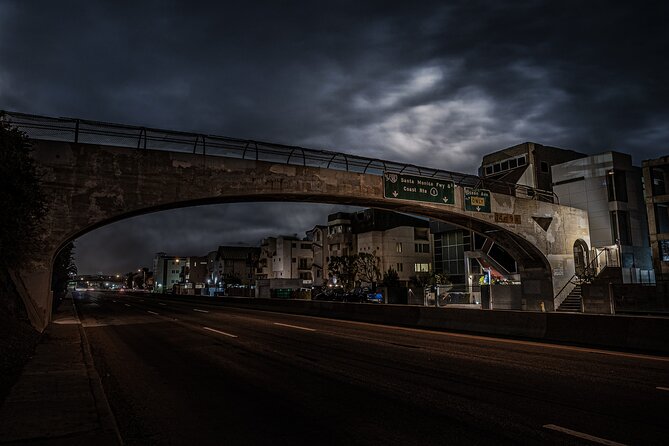
Then you move toward Arizona Avenue Pedestrian Bridge, which the tour frames as an overlook for one of America’s most haunted highway experiences. The core story is traffic-themed: drivers report seeing shadowy figures in the road—then they disappear moments later.
This is where the tour’s geography really matters. You’re not just hearing about a place from afar. You’re standing near it, thinking about sightlines, timing, and how easy it is for night conditions to distort what you think you saw. The tour doesn’t require you to suspend disbelief completely. It invites you to connect the legend to the physical reality of how people experience that stretch at night.
After that, you’ll hear about St. Monica’s statue and how it connects to the Day of the Dead. During that season, the stories say locals sometimes see spirits roaming around it. This stop shifts the tone slightly—less like highway fear, more like ritual and remembrance.
If you visit during the right time of year, this kind of legend lands harder. Even if you don’t, it teaches you something useful: Santa Monica isn’t only haunted in one mode. It has spirits tied to locations, plus spirits tied to calendar moments.
The Georgian Hotel and its Old Hollywood ghost orbit
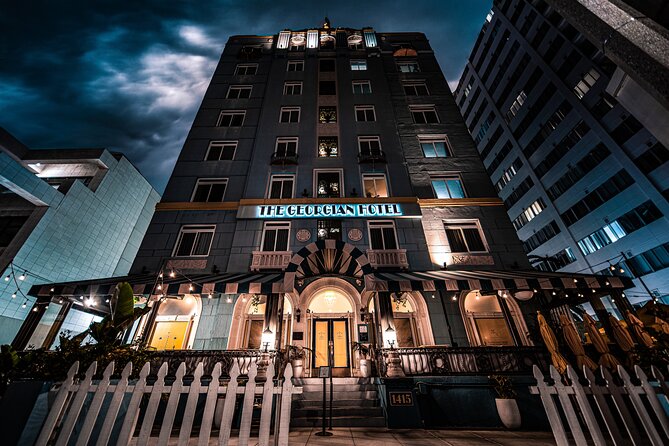
One of the most talked-about parts of the route is The Georgian Hotel. This isn’t just a “pretty building” stop. The tour links it to a past that includes a speakeasy vibe and names that pull in old-school notoriety—stories mention Rose Kennedy and Al Capone.
The value here isn’t whether those exact connections are provable. The value is that the tour shows you how Santa Monica’s identity formed through eras of glamour, secrecy, and reinvention. When you stand near a place associated with that kind of history, the ghost talk feels like it belongs there.
You’ll then get a related stop at a scenic restaurant attached to The Georgian, where Old Hollywood legends are said to haunt. This is the “movie-star atmosphere” phase of the walk. It’s also a nice breather from streets and signage—more of a place-based mood shift than a fear story.
One thing I’d keep in mind: because this tour leans into history, the emotional peak can depend on your preferences. If you love character-driven tales, you’ll likely enjoy how the guide uses famous names and era details to make the building feel alive. If you want non-stop creepiness, this may feel like a slower burn.




Pier Carousel rumors: the 1960s apartments that changed everything
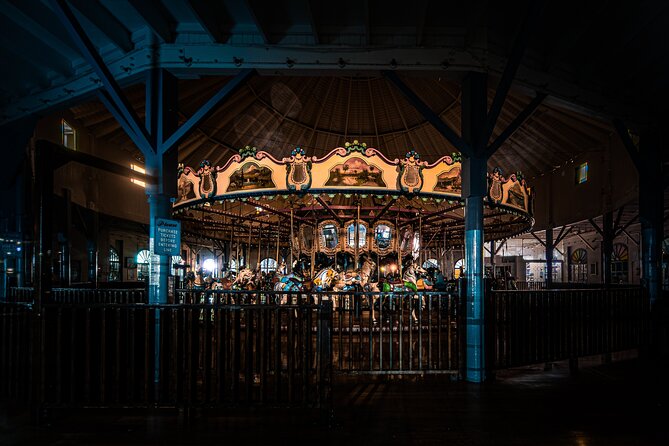
Next is the Santa Monica Pier Carousel, and the story is specific: locals began reporting ghost sightings in the 1960s, when apartments were added above it.
That detail is clever, because it explains a common pattern in urban legends. Adding residents changes how a place is used. More eyes, more footsteps, more night activity. Legends love that kind of new “evidence.”
This stop also gives you a solid “night landmark” moment. You can look at the carousel structure and think about how something cheerful on paper can still carry dark stories. The tour doesn’t treat the carousel like a monster. It treats it like a witness.
If you’re there with a camera, this is one of the spots where photos can actually make sense. One solo guest highlighted getting gorgeous pictures and a beautiful sunset during their time in Santa Monica—so if skies cooperate, this is a good place to pause and frame your shot while your guide finishes the key details.
A 1950s dive bar stop with Alan Sheppard, elephants, and Julia Roberts energy
Near the end, you hit one of the most unusual stops: a 1950s dive bar tied to a story mix that includes elephants, astronaut Alan Sheppard, and a nod to Julia Roberts, plus a lot of paranormal talk.
This is the “hold my beer” section of the tour—in a good way. The facts feel less straightforward and more myth-like, which can be exactly what makes a ghost story entertaining. It also helps break up the pace, so you don’t feel like you’re repeating the same kind of legend at every stop.
What you should expect here is a storytelling payoff. The guide connects the era, the oddball details, and the ghost lore into one scene you can carry with you afterward. Even if you decide you’re not a full-on believer, these stops can still make your evening feel memorable.
Route 66’s end and why Santa Monica’s ghost stories keep moving
Santa Monica’s haunted past isn’t shown as random. The tour specifically ties in the impact of the end of Route 66 on the city’s stories.
Route 66 matters because it brought movement—people, styles, travelers passing through, and jobs linked to the highway economy. That kind of churn often creates layers of rumor. People return with stories. People exaggerate. People repeat what they heard because it sounds better than the truth.
As you walk, I like how this thread gives you a bigger picture. You start seeing Santa Monica not just as a beach town, but as a place shaped by roads, migration, and changing entertainment scenes. The ghost lore fits those changes. It’s not only about who died. It’s also about how the city shifted around them.
Price, sound, and how to get the most for $32
At $32 per person for about 1.5 hours, this tour is priced like a decent evening activity, not like a once-in-a-lifetime museum ticket. For that cost, you’re paying for three things: a guided route through top landmarks, a story that connects those landmarks, and the host’s personality.
That’s why the guide quality matters. Guests praised hosts like Miles and Travis for being engaging, informative, and funny. One guest even said the tour felt like the best evening activity outside their daytime workshop—high praise in a week where many people run out of energy.
Here’s my practical advice to maximize value:
- Get close enough to hear. If sound is crowded, shift your position early.
- Wear comfy shoes. The tour is a walk, and you’ll feel it.
- If you want maximum “spook,” go in expecting haunted history vibes rather than horror-movie effects. That mindset matches what multiple guests seemed to prefer.
The best guests usually treat it like a guided storytelling walk, not a staged supernatural show. If you do that, the $32 feels like paying for a great night out and a better understanding of where the city’s legends come from.
Should you book Santa Monica Sinister Sins & Sorrow?
I’d book this if you want an evening plan that’s active, outdoorsy, and story-driven. You’ll likely enjoy it if you like haunted history, local lore tied to real landmarks, and a guide who can keep a group moving without turning the night into a lecture.
Skip it if you’re only interested in intense scares and special effects. If clear audio is a big deal for you, also consider arriving a little early so you can get a spot with better sound.
If you’re on the fence, I’ll give you the simplest decision rule: if you enjoy learning why a place earns its reputation, book it. If you only want maximum jump scares, you might be happier with a different style of ghost experience.
FAQ
How much does the Santa Monica Sinister Sins & Sorrow Ghost Tour cost?
It costs $32.00 per person.
How long is the tour, and when does it start?
The tour lasts about 1 hour 30 minutes and starts at 8:00 pm.
Where is the meeting point?
You meet at 200 Santa Monica Pier, Santa Monica, CA 90401.
What language is the tour offered in, and do I get a ticket on my phone?
The tour is offered in English, and it uses a mobile ticket.
Is the tour wheelchair accessible?
The only physical note provided is that travelers should have a moderate physical fitness level. Service animals are allowed, but no specific wheelchair details are listed.
Can I cancel and get a full refund?
Yes. You can cancel up to 24 hours in advance for a full refund. If you cancel less than 24 hours before the start time, the amount paid is not refunded.