REVIEW · CATALINA ISLAND
Catalina Crusade Scavenger Hunt
Book on Viator →Operated by Alley Kat Adventures · Bookable on Viator
There is something fun about chasing clues. This Avalon-based scavenger hunt mixes remote live hosting with hands-on challenges, so you are walking, thinking, and texting your progress as you go. I like that it is designed for photo and video tasks plus bonus challenges, and I also like that it breaks the experience into indoor-and-outdoor moments so it feels more varied than a one-track walk. One caution: a few people report that parts of the experience can feel more automated than puzzle-heavy, so manage your expectations if you want classic clue solving.
You meet at Catalina Coffee & Cookie Co in Avalon, then you head out on your own while your host keeps tabs via your phone. If you bring a fully charged smart phone with GPS and reliable data, the hunt should run smoothly. If tech is shaky or you have an international number and did not plan the workaround, it can turn from playful to frustrating fast.
In This Review
- Quick highlights before you go
- Starting in Avalon: Catalina Coffee & Cookie Co and the 2-hour loop
- Phone and GPS reality check: why your number matters
- How the remote guide experience plays out in the moment
- Stop 1: Catalina Island and your first batch of clues
- Stop 2: Catalina Island Casino and the second-act push
- Bonus challenges and the indoor-outdoor alternation
- Group size, pacing, and why smaller can feel better
- Who will enjoy it most in Catalina
- Value and price: what to weigh before you pay
- Tips to make it go smoothly (and stay fun)
- Is a remote scavenger hunt right for you?
- FAQ
- How long is the Catalina Crusade scavenger hunt?
- Where does the hunt start?
- Does it end back at the starting point?
- What language is the hunt offered in?
- Do I need a phone with GPS and data?
- Are service animals allowed?
Quick highlights before you go
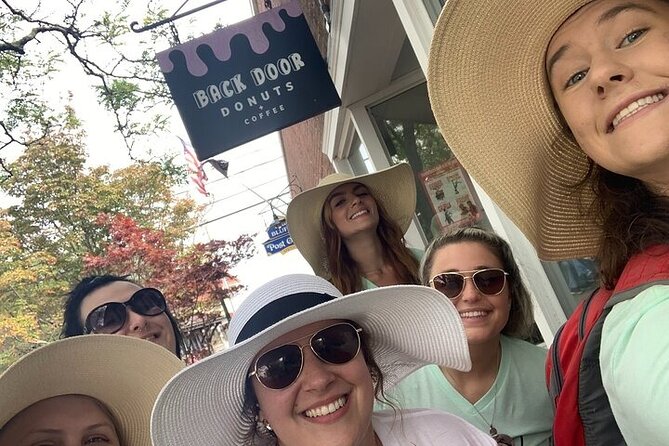
- Remote host check-ins: You text photos and get encouragement while you play.
- Photo-first challenges: Wacky assignments turn the island into your stage.
- Indoor-outdoor flow: It alternates, so you are not stuck only outside.
- Local interaction is part of it: You may need to talk to people to solve clues.
- Works for families and dogs: It is built for mixed-group fun.
Starting in Avalon: Catalina Coffee & Cookie Co and the 2-hour loop
The adventure starts in Avalon at Catalina Coffee & Cookie Co, 205 Crescent Ave, right on the classic tourist strip where you can grab a quick snack before you begin. The session runs about 2 hours, and it ends back at the starting point, which matters because you do not have to plan a second pickup or worry about being stranded far from where you began.
That closed-loop format is great for vacation days. You can tack it onto a longer Catalina schedule without it eating your whole afternoon. It also means you can pace yourself; if you accidentally run slower in an indoor stop, you still have time to catch up later.
You should also know this is offered in English and is run with a mobile ticket. That sounds simple, but for a scavenger hunt, it helps keep things moving fast once you arrive.
You can also read our reviews of more tours and experiences in Catalina Island.



Phone and GPS reality check: why your number matters
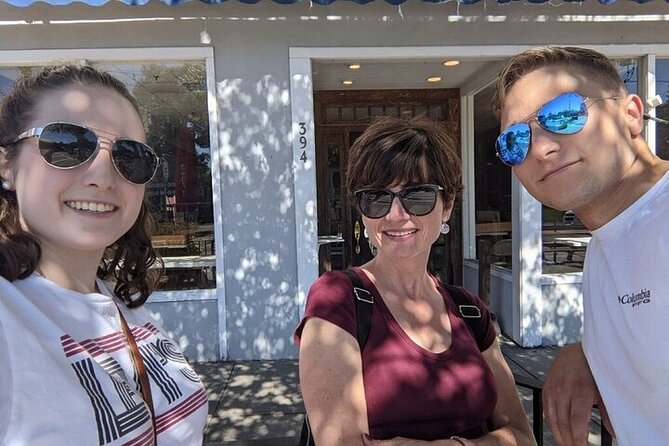
This is the kind of tour where your phone is not just a tool. It is part of the game.
For your hunt to be possible, you must provide a correct, working, domestic phone number in your reservation because it is remotely hosted. Each team should bring at least one fully charged smart phone with GPS that can send and receive data, photos, videos, and text messages. If you have an international phone number or hit technical difficulties, you can complete the game using WhatsApp or email.
So what should you do if you want a smooth run? Charge fully. Check signal where you are starting. Turn on GPS. And make sure you can actually send a photo from your phone without it getting stuck on loading.
This requirement is not small, but it is also one of the reasons the hunt can keep a live host involved while you are out moving around on your own.
How the remote guide experience plays out in the moment
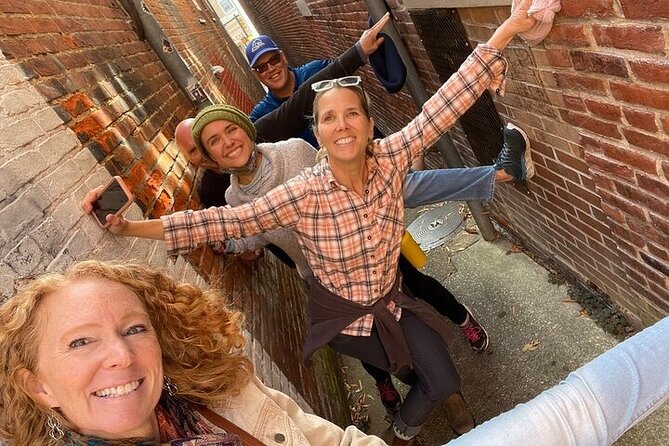
You will get your quest digitally from a live, interactive remote host. Then you take off to tackle a wide variety of curated locations in town, solving clues and accepting wacky challenges. As you go, you will text photos to your host, who cheers you on and assists.
In the best versions of this kind of setup, the host makes you feel like you are not wandering alone. A responsive guide can keep the game lively, especially when you are stuck or when your group is moving at different speeds. One of the standout things you should look for is that kind of quick feedback loop—encouragement, gentle help, and momentum when you need it.
There is a split in experiences, though. Some people feel the host acts more automated, with answers generated or guidance that does not actually clarify the clue. That does not mean the whole hunt is broken, but it does mean you should decide what you want from a scavenger hunt. If you expect deep, logic-style puzzles, you might feel let down. If you are happy to play along with prompt-based tasks, you will likely have a better time.
My advice: go in ready to engage, not to be grading a puzzle design document.
Stop 1: Catalina Island and your first batch of clues
Your first stop is Catalina Island. In practical terms, this is where you get your bearings and start seeing how the hunt wants you to think and act. Expect clues that push you beyond just walking from point A to point B. You will take clues seriously, but you will also be asked to do things that feel playful: document progress, respond to prompts, and complete short challenges.
This first segment often sets the tone. If you go into it with a good attitude, you end up using the island as a playground instead of a checklist. It is also where you start learning the rhythm of the game: read clue, go find, solve, snap what you are supposed to show, then text it to your host.
If you want a smoother start, do not rush. Give yourself time to read prompts carefully before you set off. With a remote-host format, missing a step can mean backtracking, and backtracking is what turns a fun hunt into a chore.
Stop 2: Catalina Island Casino and the second-act push

Your next major checkpoint is the Catalina Island Casino. This is where the hunt typically feels like a second act: you have already gotten into the flow, so your group can move with more confidence. The game alternates between indoors and outdoors, and you will likely feel that shift more strongly here as you move through different types of locations.
The Catalina Island Casino stop also matters because it is a known landmark name in the hunt. Whether it is familiar to you or not, the point is the same: it gives the experience a clear mid-course landmark, which helps you stay oriented.
This second stop is also a good place to lean into the photo and video prompts. If you are traveling with friends or family, this is often where people loosen up and start turning the hunt into group comedy—posing, trying angles, and getting creative while still keeping pace.






Bonus challenges and the indoor-outdoor alternation
One of the better parts of this hunt style is the alternation between indoors and outdoors. It keeps energy up. It also prevents the game from feeling like one long sun-and-sidewalk grind.
On top of that, there are plenty of bonus challenges. Think of these as optional ways to add variety, points, or extra fun moments. Bonus challenges are also a great tool for mixed groups. If one person is more puzzle-focused and another wants more playful tasks, the bonus items can help both sides feel included.
The catch is that bonus challenges can also add time pressure if your group is already running behind. So if your team is slower, you might choose the quick wins first and save the bonuses if you finish early.
Group size, pacing, and why smaller can feel better
This activity has a maximum of 30 travelers, but the way it feels in real life depends on how your team breaks down. One helpful detail from real experience: a group of 10 was suggested to split in half for a better flow. That makes sense. In scavenger hunts, too many people can create friction: too many decisions, too many phones needing to coordinate, too many opinions on how to solve a prompt.
So aim for a team size that can function without constant debate. If you have a large group, splitting into smaller teams is a smart move—not just for efficiency, but for fun. You get your own momentum and less crowding at checkpoints.
Also, this is family and dog friendly. That is a win if you want your dog included in the vacation plan rather than left alone at the hotel. Just remember it is still a scavenger-hunt pace, so bring water and plan for stops that might involve getting in and out of indoor spaces.
Who will enjoy it most in Catalina
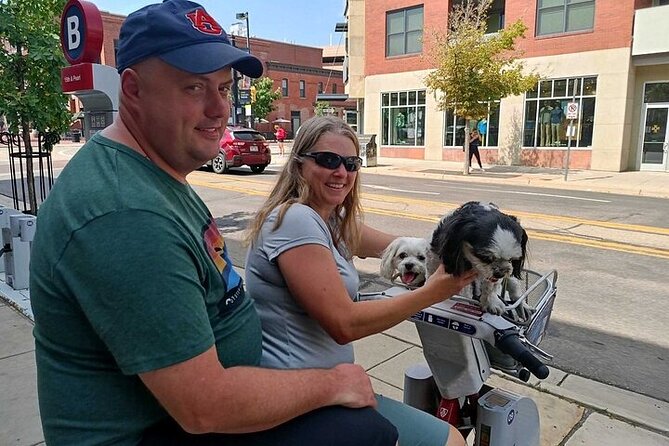
This hunt fits best if you like interactive, creative travel instead of museum-style sightseeing. It is also great for corporate groups, bachelor(ettes), birthdays, friend trips, curious locals, and families. The reason is simple: it gives everyone a shared task while still letting people be themselves.
If you are a tourist who likes structure, the checkpoints and remote guidance keep you from wandering aimlessly. If you are a curious local, the local-interaction component can make you look at familiar streets differently.
If you are traveling with kids, the bonus challenges and photo tasks can make it easier to keep attention. For adults, it tends to work well when you want something light and social, not something solemn and serious.
If you are a hardcore puzzle fan expecting mind-bending riddles, I would temper expectations. Some experiences suggest the clues can be more prompt-based and photo-oriented than logic-driven.
Value and price: what to weigh before you pay
Price is the big question mark here. One review felt $75 was too high for what they received, especially because they did not find much in the way of classic clue content and described the host as automated. On the other hand, other people had a great time, praising a responsive live guide and encouraging communication.
So how do you judge value without the tour price being the only factor? Ask yourself what you want your money to buy:
- If you want an organized game with remote support and lots of creative photo prompts, it can feel worth it because the host feedback and encouragement are part of the experience.
- If you want lots of puzzle solving and deep local history facts, you might feel like you are mostly paying for a guided scavenger vibe rather than a content-heavy tour.
My practical take: if your group thrives on making goofy pictures, texting as a team, and being playful with strangers or local spots, this is more likely to pay off. If you would rather explore freely and prefer your own curiosity, you may not see the added value.
Tips to make it go smoothly (and stay fun)
These are the simple moves that can turn a good hunt into a great one.
First, confirm you have the right tech setup. Fully charged phone, GPS on, data working, and the ability to send photos and text messages. If you are traveling with multiple phones, make sure at least one can do everything the game might require.
Second, split decision-making. If the group is larger than a small cluster, pick one person to read clues and another to handle photos and messaging. When everyone tries to do everything, you lose time.
Third, be ready for local interaction. The hunt includes the idea that you may interact with locals to solve clues. That is part of the charm, but you still want to be polite and quick. If someone seems busy, step back and move on—do not turn a game into awkward pressure.
Fourth, if you run into scheduling trouble, the remote host support is a key part of the experience. One positive account specifically praised flexible help when timing got complicated. That is where a responsive host can save your day.
Finally, take the pacing seriously. You only have about two hours. If you slow down too much at the start, the finish can feel rushed. Keep moving, then adjust based on what the next clue needs.
Is a remote scavenger hunt right for you?
If you like active travel where you move, laugh, and share moments with your group, this can be a strong choice. The best versions of this hunt include helpful, encouraging remote communication and fun photo/video challenges that turn everyday places in Avalon into story beats.
But if you want deep puzzle solving or heavy informational content, you might feel disappointed—especially given that some experiences described automated or thin clue interactions. That does not mean the hunt cannot be enjoyable. It just means you should go in knowing what you are buying: a creative scavenger format, not a traditional guided tour.
If your group has the right phone setup and you are there to play along, I would book it. If you and your crew want a quiet, low-tech day of sightseeing, you might be happier exploring Catalina Island on your own.
FAQ
How long is the Catalina Crusade scavenger hunt?
It lasts about 2 hours.
Where does the hunt start?
The meeting point is Catalina Coffee & Cookie Co, 205 Crescent Ave, Avalon, CA 90704, USA.
Does it end back at the starting point?
Yes, the activity ends back at the meeting point.
What language is the hunt offered in?
It is offered in English.
Do I need a phone with GPS and data?
Yes. Each team should bring at least one fully charged smart phone with GPS that can send and receive data, photos, videos, and text messages.
Are service animals allowed?
Yes, service animals are allowed.