REVIEW · LOS ANGELES
Los Angeles: Port of Los Angeles Harbor Cruise
Book on GetYourGuide →Operated by Harbor Breeze · Bookable on GetYourGuide
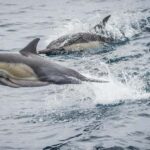
Sea lions and big ships in one hour. This Port of Los Angeles harbor cruise turns the working harbor into a guided sightseeing loop, with California sea lions often playing right in your sightline and eye-popping passes by the USS Iowa. Expect live narration on the port’s role in global shipping, plus real-world views of lighthouses, terminals, and the kind of vessels you only see at a scale this big.
Two things I really like: the boat is set up for comfort (big windows and climate-controlled seating when needed), and the commentary connects what you’re seeing to how the port actually functions. If you’re hoping for deep museum time, consider that the base experience is mainly the cruise; you’ll want the USS Iowa upgrade if that’s your priority. One possible drawback: this isn’t a good pick for people prone to seasickness, since it’s a true harbor water ride, not a dockside shuffle.
The best part for planning is the location. You’re right by the San Pedro Fish Market area, so you can pair this with a meal before or after and make a full half-day of San Pedro port views without adding long drives.
In This Review
- Key Highlights You’ll Remember
- Price and Value: What $15 Gets You in the Port of LA
- Where You Start: Town Square Public Slip by San Pedro Fish Market
- On the Boat: Comfort, Windows, and a Real Working-Harbor View
- Getting Oriented: From the Slip to the Port’s Key Storylines
- AltaSea and the Harbor Waterfront: A Modern Angle on a Traditional Port
- The USS Iowa Factor: The Upgrade That Changes the Whole Experience
- Pier 400 and the West Basin: Watching Container Logistics Up Close
- Terminal Island Japanese Fishing Village Memorial and S.S. Lane Victory
- Vincent Thomas Bridge and Catalina Island Express Terminal Views
- West Harbor and Sustainability: What the Green Notes Actually Mean
- Who This Cruise Fits Best (And Who Should Skip)
- Practical Tips So You Get the Best Experience
- Should You Book This Port of Los Angeles Harbor Cruise?
- FAQ
- How long is the Port of Los Angeles harbor cruise?
- What is the starting location for the cruise?
- What will I see on the cruise?
- Is the USS Iowa Battleship Museum included?
- Is the boat ride suitable for people who get seasick?
- What’s included with the cruise ticket?
Key Highlights You’ll Remember
- Sea lion spotting during the cruise while the harbor stays lively and watchable
- World-famous USS Iowa views from the water, with an optional museum upgrade
- Pier 400 and container terminals for a clear look at shipping at global scale
- Live narration from seasoned captains and crew (30+ years) plus an onboard MC
- Sustainability in the real world with mentions of clean electrical power and green initiatives
- Terminal Island memorial sights and historic vessels like the S.S. Lane Victory
Price and Value: What $15 Gets You in the Port of LA
At about $15 per person for the core cruise, this is one of the more affordable ways to see the Port of Los Angeles up close. You’re paying for access to the working harbor from a boat, guided by live narration, with comfortable seating and panoramic windows.
The key value choice is whether to add the USS Iowa Battleship Museum access. The base cruise gives you the best “from the water” views, but history buffs will likely feel the upgrade is what turns the experience from scenic to truly story-driven. If you’re traveling with kids, or anyone who loves WWII-era naval history, the museum time can easily justify the extra cost.
Time matters too. The experience runs 45 minutes to 2 hours depending on the option you choose, so you’re not committing to a full day just to get the port “fix.”
You can also read our reviews of more boat tours in Los Angeles
Where You Start: Town Square Public Slip by San Pedro Fish Market
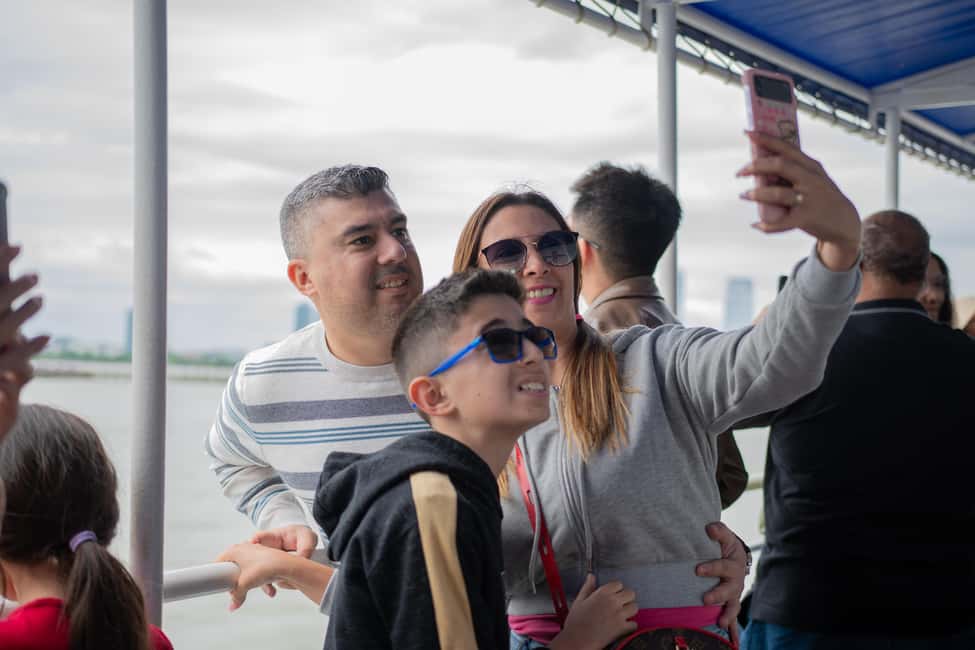
You’ll board at LA Waterfront Cruises, at the Town Square Public Slip. The advantage here is simple: you’re next to the San Pedro Fish Market and Restaurant, so this feels like a practical add-on instead of a separate trip across town.
From a planning standpoint, I like pairing it with a meal because it keeps your day efficient. You can do the cruise first, then eat while the port sights are fresh in your mind. Or grab lunch before you go and use the cruise as your “walk-off” activity that still feels like sightseeing.
On the Boat: Comfort, Windows, and a Real Working-Harbor View
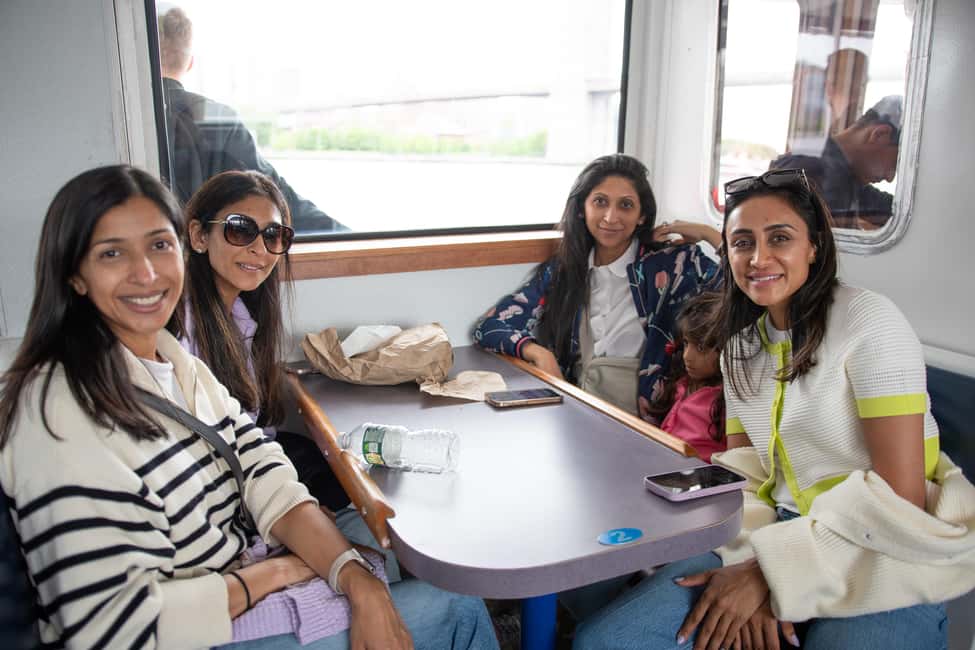
This is a quiet, low-emission vessel, and you’ll feel the difference in how the ride is presented. There’s plenty of inside and outside seating, and the inside space is climate controlled with large panoramic windows, which is ideal if weather shifts.
You also get multiple restrooms and a fully stocked snackbar for purchase onboard. That small detail matters on a port cruise where you’re spending time looking and listening rather than eating every few minutes.
The narration is live and delivered by experienced captains and crew with 30+ years of know-how, plus an onboard MC who keeps things moving. If you’ve ever watched a port from a distance and wondered what it all means, this tour does a good job turning “cool ships” into “okay, I get why it’s here and what it’s doing.”
Getting Oriented: From the Slip to the Port’s Key Storylines
Your early viewing time sets the tone. From the start area near San Pedro, you’re already in the right zone to understand why the Port of Los Angeles matters.
The tour highlights that 95% of international goods are transported by ship. You’ll hear that and then see why it’s true: the harbor is built for scale. The ships, terminals, and lanes are what make the port a global logistics hub rather than just local industry.
You also pass recognizable maritime training and innovation areas, including the Los Angeles Maritime Institute (LAMI). Even if you don’t know the details of maritime education yet, seeing a place tied to ship operations helps you understand the human side of the port, not just the machines.
AltaSea and the Harbor Waterfront: A Modern Angle on a Traditional Port
As you continue, you’ll see AltaSea at the Port of Los Angeles, a stop that adds a modern note to the bigger shipping picture. The harbor is old-school infrastructure, but this kind of space signals that the port isn’t staying stuck in the past.
You also get strong sightseeing landmarks like the Los Angeles Harbor Lighthouse and nearby harbor structures, which help you orient visually. Lighthouse views give you a clean “anchor point” to remember the scale and the layout, especially if you’re trying to place where you are along the waterfront.






The USS Iowa Factor: The Upgrade That Changes the Whole Experience
From the water, you’ll view the world-famous USS Iowa, and it’s one of those ships that instantly reads as history even before you hear the details. If you’re a history fan, the ship’s name alone tends to do half the selling.
The GA ticket upgrade adds access to the USS Iowa Battleship Museum, described as the only battleship museum open to the public on the West Coast. If your goal is “see it and learn it,” this is the move. You’ll explore the museum at your own pace and walk the decks of the battleship, with interactive exhibits focused on naval history.
This is also the upgrade I’d recommend if you’re traveling with people who get bored by purely scenic tours. On a cruise, you can’t control the tide or the schedule of ships, but museum time gives you a steady, weather-proof payoff if you’re adding it.
Pier 400 and the West Basin: Watching Container Logistics Up Close
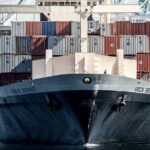
One of the strongest sightseeing sections is when you get visuals of the working terminals, especially Pier 400 and areas like the West Basin Container Terminal. Pier 400 is described as the largest container terminal in the world, and seeing it from the water helps make that claim feel real.
What I like about the terminal views is that they’re not just “big buildings.” They show you how global trade becomes physical: stacks, lanes, and the steady rhythm of the harbor system.
When you look at the big container ships and the harbor layout together, the tour’s narration makes more sense. The port isn’t only about ships; it’s about movement—how goods get from vessel to terminal and onward into the broader economy.
Terminal Island Japanese Fishing Village Memorial and S.S. Lane Victory
The cruise also includes stops that broaden the story beyond shipping. You’ll see the Terminal Island Japanese Fishing Village Memorial, which is a reminder that the harbor has communities and human stories tied to it, not only industry.
Another standout on the list is the S.S. Lane Victory. Historic vessels like this add weight to the experience because they connect the port to older eras of maritime work. Even if you only get a view from the boat, it changes the feel from “current operations” to “how the harbor supported different kinds of work over time.”
Vincent Thomas Bridge and Catalina Island Express Terminal Views
As the cruise continues, you’ll get landmark views like the Vincent Thomas Bridge. Bridges are useful on a harbor tour because they help you understand distance and alignment across water channels.
You’ll also see the Catalina Island Express Terminal in the mix. That matters because it reminds you that this waterfront isn’t only global cargo. It’s also a gateway for regional travel, with multiple maritime uses sharing the same water geography.
If you’re someone who likes travel photos with context, these landmark frames make great “story shots.” They show you the harbor’s role in both commerce and movement.
West Harbor and Sustainability: What the Green Notes Actually Mean
This tour doesn’t treat sustainability as a vague buzzword. You’ll hear about the port’s commitment to clean electrical power and green initiatives as part of how operations are changing.
That’s more valuable than it sounds because it answers a common question: is a “green port” just marketing? Here, the tour points to practical shifts in how electricity and operations are managed, and then you’re watching the port run in real time.
If you care about how industry adapts, this segment helps you connect values to visible operations.
Who This Cruise Fits Best (And Who Should Skip)
This is a strong match for families and for people who like outdoor sightseeing with an educational thread. The short-to-medium duration means you can add it without draining your whole day.
I’d also put it on the list for history lovers, but with a condition: if USS Iowa matters to you, choose the museum upgrade. From the water alone, you’ll be impressed, but the museum is what gives the full “walk the decks and learn the stories” feeling.
Skip or reconsider if you’re prone to seasickness. The ride is described as a harbor cruise, and that’s exactly the kind of water time that can feel unpleasant for sensitive stomachs.
Practical Tips So You Get the Best Experience
- Dress for coastal weather. Even on a clear day, harbor wind can change your comfort level fast.
- Bring your phone camera because the big payoffs are visual: sea lions, USS Iowa, Pier 400, and bridge views.
- If you can, plan your schedule around the USS Iowa upgrade. The museum access turns the tour into a longer, more complete history stop.
- If you want to pair food with sightseeing, start or end near the San Pedro Fish Market area for a smooth day flow.
Should You Book This Port of Los Angeles Harbor Cruise?
I’d book it if you want the Port of Los Angeles in one guided, time-friendly package: sea lions for fun, USS Iowa for history, and container terminals for real-world context. For the price, it’s a high-value way to see the scale of global shipping without spending a full day grinding through logistics.
I’d also book the USS Iowa upgrade if anyone in your group loves naval history or you simply want more than a quick look from the water. If your top goal is only scenic views and you’re not into museum time, the base cruise still makes sense because the harbor visuals are doing the heavy lifting.
And if motion sickness is a known issue for you, pass on this one. Choose a different kind of sightseeing instead, because this is a true cruise.
FAQ
How long is the Port of Los Angeles harbor cruise?
The duration ranges from 45 minutes to 2 hours, depending on the starting time and the option you choose.
What is the starting location for the cruise?
The cruise departs from LA Waterfront Cruises at the Town Square Public Slip, next to the San Pedro Fish Market.
What will I see on the cruise?
You’ll see the harbor and port operations, including California sea lions, the Battleship USS Iowa, major cargo/container ships, Pier 400, the Los Angeles Harbor Lighthouse, and other waterfront landmarks and port areas.
Is the USS Iowa Battleship Museum included?
The USS Iowa museum access is available as an upgrade. The base experience includes the cruise, and the museum time comes with the GA ticket upgrade.
Is the boat ride suitable for people who get seasick?
No. This experience is not suitable for people prone to seasickness.
What’s included with the cruise ticket?
You’ll get the 45-minute cruise on a quiet, low-emission vessel, live English narration, indoor and outdoor seating with large panoramic windows, restrooms, and access to a snackbar for purchase onboard.