REVIEW · LOS ANGELES
Beverly Hills and Rodeo Drive: A Self-Guided Audio Tour
Book on Viator →Operated by VoiceMap Audio Tours · Bookable on Viator
Fashion meets architecture, with GPS guiding your walk. This self-guided Beverly Hills and Rodeo Drive audio tour strings together classic storefront glamour and quieter streets, using GPS-triggered audio and offline access so you can move at your pace without hunting for the next stop.
I especially like that the route is designed to build from “get your bearings fast” into full-on wow moments, from the Beverly Hills Garden Park walk to landmark buildings with actual backstories. One caution: it’s not a headset-included guided group tour, so you’ll want to plan for a phone and headphones for whoever will listen, since the audio is tied to location.
In This Review
- Key Highlights You’ll Notice Right Away
- How This GPS Audio Tour Works on Rodeo Drive
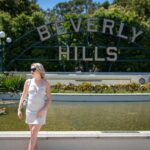
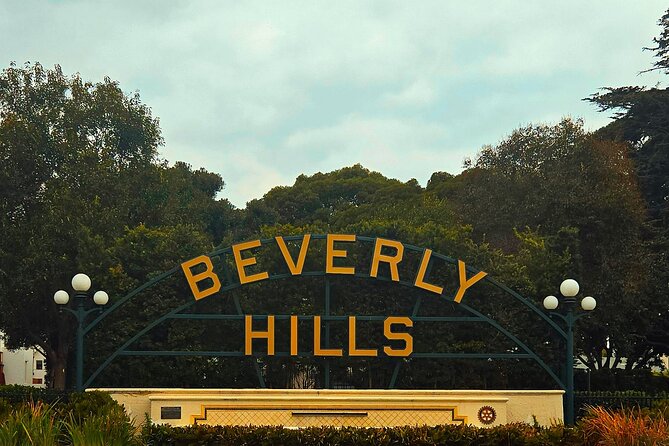
- Starting at the Beverly Hills Sign and Getting Oriented
- Beverly Hills Garden Park: Your Scenic, Low-Stress Warm-Up
- Wallis Annenberg Center: When the Post Office Becomes a Landmark
- The Beverly Hills Visitor Center Shield: A Fast Photo and a Navigation Clue
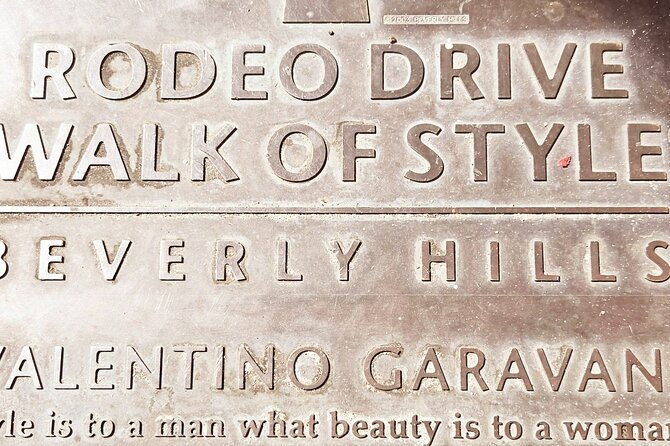
- Rodeo Drive: Retail Glamour With a Real Origin Story
- Anderton Court Shops: Frank Lloyd Wright’s Odd Little Retail Masterpiece
- The Former Beverly Hills Speedway Site and a 70,000-Spectator Race
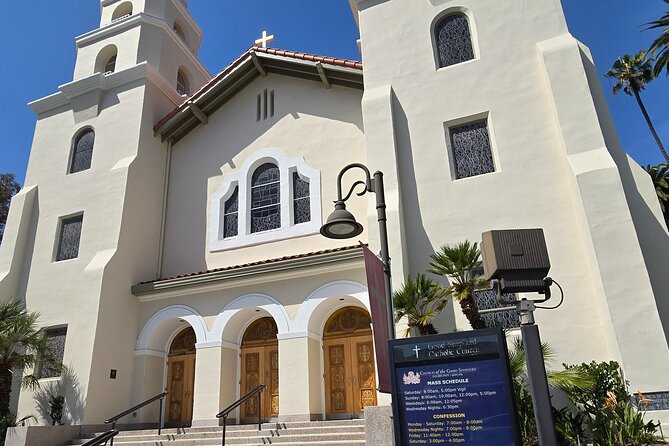
- Church of the Good Shepherd: Mission Revival Calm at the End Point
- The Whimsical Building at 516 North Walden Drive (Film Studio to Real Home)
- Price and Value: Is $14.99 Worth It?
- Best Times to Walk the Route and How to Make It Smooth
- Who This Audio Tour Fits Best (and Who Should Skip It)
- Should You Book This Beverly Hills and Rodeo Drive Audio Tour?
- FAQ
- How long is the Beverly Hills and Rodeo Drive self-guided audio tour?
- How much does the tour cost?
- Where does the tour start and end?
- Is the tour available only at certain times?
- What language is the audio offered in?
- What do I get with the tour?
- Do I need a smartphone and headphones?
- Does the audio play automatically by location?
- Do I need a separate purchase for each person in my group?
- What cancellation options are available?
- What’s included besides the audio itself?
Key Highlights You’ll Notice Right Away
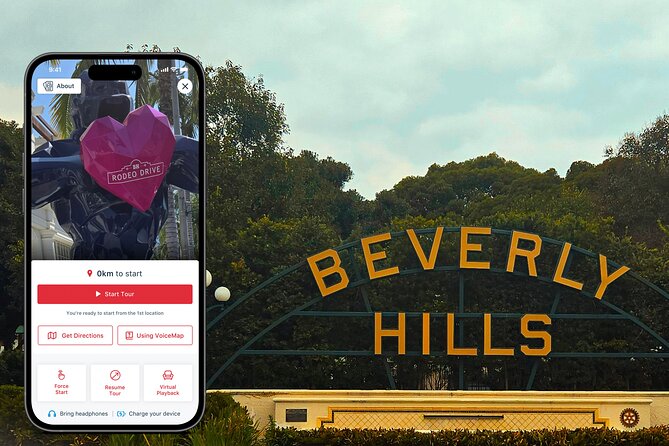
- Beverly Hills Garden Park (1.9-mile linear park): A scenic warm-up before you hit the fashion streets.
- Wallis Annenberg Center history: Former Beverly Hills Post Office in Italian Renaissance style, opened in 1934.
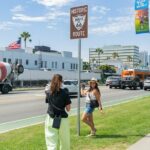
- Beverly Hills Visitor Center shield: A half-height replica of the city entrance street signs, recognized worldwide.
- Rodeo Drive retail story: The street’s clothing roots tied to Richard Carroll, then major names along the way.
- Frank Lloyd Wright’s Anderton Court Shops: Streamline Moderne/Art Deco details plus a spiral ramp and central light well.
- Mission Revival Church of the Good Shepherd: Founded in 1923, with a Hollywood-famous crowd history.
How This GPS Audio Tour Works on Rodeo Drive
This is a self-guided GPS tour from VoiceMap Audio Tours, in English, for about 1 hour 15 minutes to 1 hour 30 minutes. You use the app on your phone, and the audio cues trigger as you reach each stop—so the experience feels structured without you having to follow a person with a whistle.
What makes it practical is the offline package: audio, maps, and geodata are available even if your data signal is weak. That matters in Los Angeles, where your reception can bounce around block to block.
One more smart point for groups: the tour is GPS-triggered, so if you want multiple people to listen comfortably at their own pace, it’s best that each listener has their own device and headphones. In other words, if your whole group is sharing one phone, you’ll all hear less than you probably want.
You can also read our reviews of more guided tours in Los Angeles
Starting at the Beverly Hills Sign and Getting Oriented
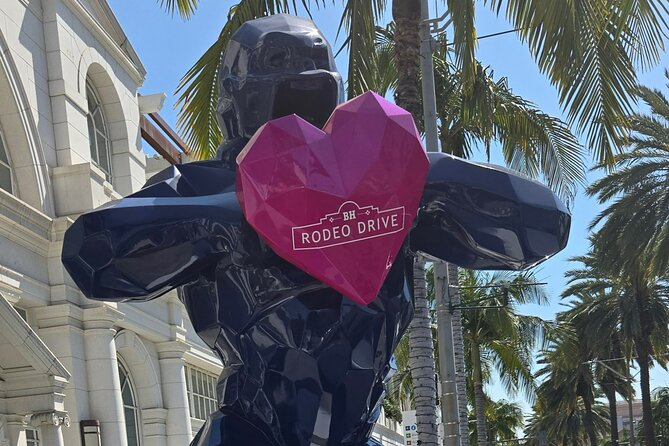
Your tour begins at the Beverly Hills Sign area at 1300–1398 Park Way, Beverly Hills. The payoff here is simple: it’s a recognizable marker, so you get oriented fast and you’re not starting by wandering for the first audio cue.
From there, the experience leads you into Beverly Hills’ walking rhythm. Even if you’re not stopping for every photo, you’ll get a clear sense of where you are as the stories kick in right as you approach each landmark.
If you’re new to the area, I like this start point because Beverly Hills is spread out. Starting with a big visual landmark helps you avoid that awkward first 10 minutes of “Wait, are we in the right spot?”
Beverly Hills Garden Park: Your Scenic, Low-Stress Warm-Up
One of my favorite parts of the concept is that the tour doesn’t start with the flashiest street. It begins in Beverly Hills Garden Park, a 1.9-mile linear park along Santa Monica Boulevard running from Wilshire to North Doheny.
This stretch gives you a gentler transition from city noise into a more park-like pace. It’s also a good time to test your phone setup before you hit Rodeo Drive, where you’ll likely want your audio working smoothly and your battery not stressed.
Practical tip: keep an eye out for crossings and short gaps in shade. A park walk is still a park walk, and Los Angeles heat and sun can decide how “pleasant” that stroll feels.
Wallis Annenberg Center: When the Post Office Becomes a Landmark
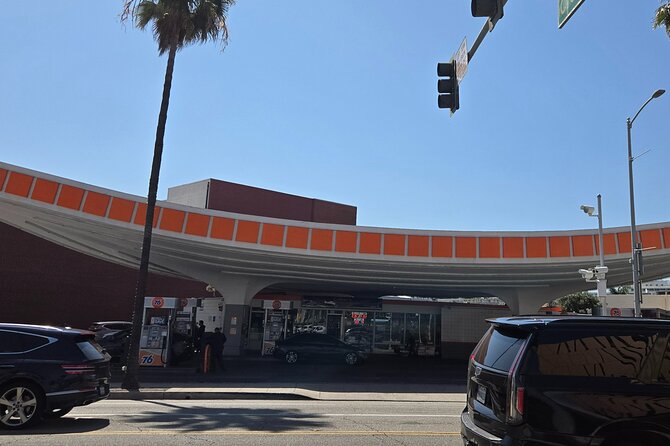
As you move along, you’ll reach the Wallis Annenberg Center for the Performing Arts, located on your right. This building started life as the main Beverly Hills Post Office, built in an Italian Renaissance style, and it opened in 1934.
The story also ties in local influence: it opened due to the influence of honorary mayor and comedian Will Rogers. The building is designated Local Landmark No. 5 by the Beverly Hills Historical Society, so it’s not just pretty—it’s officially protected history.
What I like here is that it anchors the area beyond celebrity gloss. You get to see how civic architecture shaped Beverly Hills before it became the shopping magnet.
The Beverly Hills Visitor Center Shield: A Fast Photo and a Navigation Clue
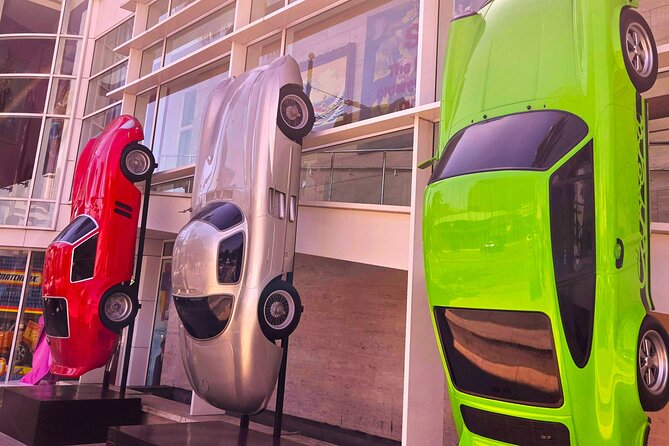
Next, the Beverly Hills Visitor Center appears on your left at a storefront. It’s marked by a distinctive Beverly Hills shield, described as a half-height replica of the street signs that mark Beverly Hills entrances on major thoroughfares.
This is one of those details you’d miss if you were just strolling without audio. Here, you get a quick explanation for why this shield feels so iconic—and you also get a clean landmark for photos and for double-checking you’re on route.
If you like street-level orientation, this stop is genuinely useful. It’s basically a visual confirmation that you’re in the right Beverly Hills zone.
You can also read our reviews of more tours and experiences in Los Angeles



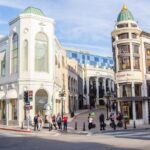
Rodeo Drive: Retail Glamour With a Real Origin Story
Once you’re on Rodeo Drive, the audio turns the shopping street into something more than a window-shopping backdrop. The tour highlights how the street became a key retail spot in Los Angeles, and it points to Richard Carroll, who originally established Rodeo Drive as a place to buy men’s clothing.
Then it connects the past to the present through major brands you’ll see along the street, including names like Tommy Hilfiger and Brooks Brothers. Even if you don’t plan to buy anything, it gives you context for why Rodeo Drive looks the way it does.
One practical note: Rodeo Drive can feel crowded depending on the time of day. For the best experience, walk a little slower than you think you should. The audio is time-based, but your enjoyment depends on how often you pause.
Anderton Court Shops: Frank Lloyd Wright’s Odd Little Retail Masterpiece
At 332 North Rodeo Drive, you’ll find Anderton Court Shops on your left. This is the only retail structure designed by Frank Lloyd Wright, and the tour underscores why people pay attention to it: Wright called it a little gem of an unusual sort.
Expect distinctive Streamline Moderne and Art Deco spires, plus a spiral ramp and a central light well. This is not just a storefront cluster—it’s a mini architectural story.
I love stops like this because they reward your eyes. If you take 60 seconds to look upward and follow the ramp line, the building starts making sense in a way photos alone can’t.
Potential drawback: you might want a phone selfie spot, but it’s also a public retail area. Be mindful of foot traffic so you don’t block people waiting to get by.
The Former Beverly Hills Speedway Site and a 70,000-Spectator Race
Another surprising shift in tone happens near a landmark hotel on the northeast corner of the former Beverly Hills Speedway site. The audio points out that back in 1926, a world championship car race was held there and drew 70,000 spectators.
It’s a fun reminder that Beverly Hills isn’t only about fashion and film. There was a motorsports era here too, and the modern skyline can make that feel impossible—until you hear the story.
If you like urban history, this stop can be a highlight. You’re standing in a place that looks “timeless” but had a very different headline once.
Church of the Good Shepherd: Mission Revival Calm at the End Point
One of the most memorable contrasts on this tour is the switch from shopping street energy to quiet church atmosphere. You’ll reach the Church of the Good Shepherd—a Mission Revival-style church founded in 1923.
The audio frames it with a charming, Hollywood-adjacent idea: it’s a place where famous faces have come to pray and confess, and it’s been associated with Hollywood royalty more times than you’d expect. The end point is in front of the church on North Roxbury Drive (504 N Roxbury Dr).
If you want a clean landing moment at the end of walking, this works. Even if you don’t go inside, being near the church gives your brain a reset after all the storefront stimulation.
Tip: keep your voice down if you’re near open doors or ongoing services. This is one of those places where respect improves the experience for everyone.
The Whimsical Building at 516 North Walden Drive (Film Studio to Real Home)
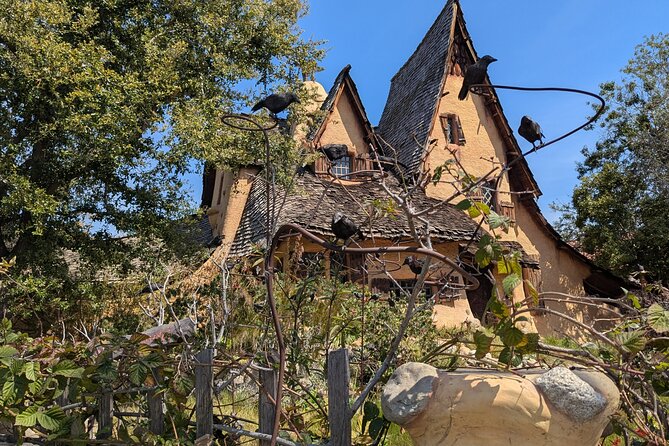
The tour also includes a stop at 516 North Walden Drive, described as a whimsical wonder with a film-to-life origin story. It began in 1921 as a film studio set in Culver City, designed by Hollywood art director Harry Oliver.
Originally it was offices and dressing rooms. Then in 1926, it pulled off a Cinderella move: it was transformed into a real home and relocated to its current spot in Beverly Hills.
I like including this kind of detour because it breaks the pattern of “shopping, architecture, repeat.” It gives you a behind-the-scenes kind of Beverly Hills, where Hollywood design language spills into everyday streets.
Price and Value: Is $14.99 Worth It?
At $14.99 per person, this tour is priced like a phone-based experience rather than a traditional guided walk. For most people, that’s exactly the point.
You’re getting lifetime access to the tour in English, available before your booking date and after. You also get offline maps and audio, which lowers the stress factor—especially if you’re traveling from abroad and don’t want data to be a make-or-break issue.
Duration matters too: 1 hour 15 minutes to 1 hour 30 minutes is short enough to fit into a tight schedule, but long enough that the stories don’t feel rushed. And because it’s private (only your group participates), you’re not sharing the audio experience with strangers.
The main value trade-off is that you’ll need to provide your own phone and listen via your own headphones. If you’re expecting a fully guided, one-earbud-for-everyone situation, you’ll probably feel disappointed.
Best Times to Walk the Route and How to Make It Smooth
The tour is listed as available 12:00 AM to 11:59 PM during its valid date window, so you can choose a time that matches your energy. For your enjoyment, I’d focus on when Rodeo Drive traffic feels manageable and when daylight helps the architecture land.
Start with a practical approach: charge your phone, download offline content, and use that first segment (Garden Park and Wallis Annenberg Center) to confirm your audio triggers correctly. Once you trust the GPS cues, Rodeo Drive becomes less of a navigation chore and more of a guided stroll.
Also consider slowing down at the architecture stops like Anderton Court Shops. The spiral ramp and light well are the kind of details that make sense only when you take your time.
Who This Audio Tour Fits Best (and Who Should Skip It)
This works best if you like:
- Architecture and design details, especially when they come with a real reason for existing.
- Self-paced sightseeing, where you can pause for photos without waiting for a group.
- Stories that connect Beverly Hills to bigger themes like civic buildings, film sets, and even early racing history.
It’s also a strong choice if you want a short hit of Beverly Hills without committing to a longer full-day plan.
Where it may not fit:
If you want a human guide to manage timing, answer questions, or keep multiple listeners synchronized with no phone needed, this is a different style. The format is GPS-driven and listening happens through your device.
Should You Book This Beverly Hills and Rodeo Drive Audio Tour?
If your goal is a smart, do-it-your-way walk through Beverly Hills with offline GPS audio and landmark context, I’d say this is a good bet. The route gives you variety: park time, civic history, retail street storytelling, Wright architecture, and a calmer finish at the Church of the Good Shepherd.
I would only skip it if you’re expecting a classic guided tour with headphones provided and a single guide leading your group step by step. For everyone else, especially architecture fans and first-timers who want structure without the pressure, it’s an efficient way to get more meaning out of the streets.
One final piece of advice: because each stop is tied to GPS, bring your own headphones and plan for one listening device per person. That small prep turns the experience from frustrating into surprisingly smooth.
FAQ
How long is the Beverly Hills and Rodeo Drive self-guided audio tour?
It takes about 1 hour 15 minutes to 1 hour 30 minutes.
How much does the tour cost?
The price is $14.99 per person.
Where does the tour start and end?
It starts at the Beverly Hills Sign area at 1300–1398 Park Way, Beverly Hills, CA 90210 and ends in front of the Church of the Good Shepherd at 504 N Roxbury Dr, Beverly Hills, CA 90210.
Is the tour available only at certain times?
The tour listing shows availability from 12:00 AM to 11:59 PM, for the valid date window shown.
What language is the audio offered in?
The tour is offered in English.
What do I get with the tour?
You get lifetime access to the tour in English before your booking date and after it, a self-guided GPS tour, start directions, an app for Android and iOS, and offline access to audio, maps, and geodata.
Do I need a smartphone and headphones?
Yes. Smartphone and headphones are not included, so you’ll need both.
Does the audio play automatically by location?
Yes. The tour is GPS-triggered, so the audio cues respond as you reach each stop.
Do I need a separate purchase for each person in my group?
Since it’s GPS-triggered, the guidance shared for groups is that it’s recommended each person purchase their own copy so everyone can listen at their own pace.
What cancellation options are available?
You can cancel for a full refund if you cancel at least 24 hours before the experience starts.
What’s included besides the audio itself?
Besides the audio, you also have offline maps and geodata, plus GPS self-guidance through the app. Food, transportation, and personal expenses are not included.