REVIEW · LOS ANGELES
Burbank: TCM Classic Films Tour
Book on GetYourGuide →Operated by Warner Bros. Studio Tour Hollywood · Bookable on GetYourGuide
James Dean and movie props in the same tour is a winning combo. The TCM Classic Films Tour takes you through Warner Bros. Studios in Hollywood with a classic-movie lens, hitting spots tied to film legends and the studio’s biggest behind-the-scenes treasures.
I especially love the chance to see the exterior of James Dean’s apartment—simple from the curb, but loaded with meaning if you’re a fan of his Warner-era work. And the Property House is the kind of place that turns movie trivia into something you can walk around and point at.
One thing to consider: this tour has rules on filming and photography, so if you’re hoping to create a full video diary, you’ll need to plan for still photos and hands-off video.
In This Review
- Key things I’d plan around on the TCM Classic Films Tour
- Warner Bros. Studios, TCM-style: what this tour is really about
- Price and time: is $99 worth it?
- Starting at 3400 Warner Blvd: how the day gets rolling
- Visitor Center guided segment: get your bearings fast
- The self-guided time in Burbank: how to use your 2 hours
- James Dean’s apartment exterior: the small stop with the big punch
- The rose garden and Jack Warner’s tennis court: a calm pause in the middle
- Eastwood Scoring Stage (built 1929): where sound gets made
- The Property House: half a million props and costume reality
- Photography, ID checks, and rules that affect your experience
- Who this tour suits best (and who should think twice)
- Should you book the TCM Classic Films Tour?
- FAQ
- How long is the Burbank TCM Classic Films Tour?
- Where does the tour start and end?
- Is photography or video recording allowed?
- What ID do I need for entrance?
- What’s included in the ticket price?
- Is the tour suitable for young children?
Key things I’d plan around on the TCM Classic Films Tour
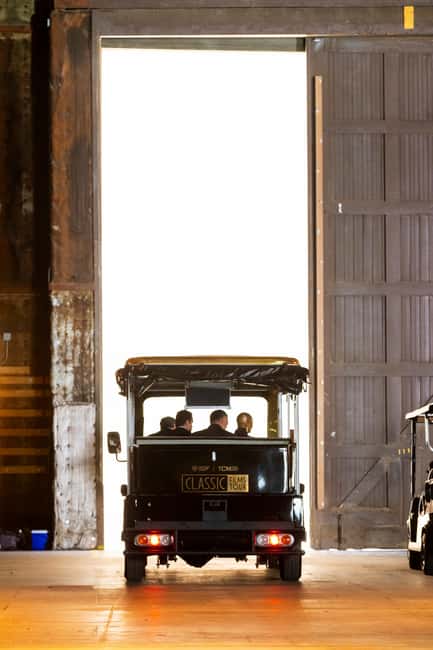
- James Dean’s apartment exterior: a focused, fan-friendly stop tied to his time working at Warner Bros.
- Rose garden with a past: the garden was once Jack Warner’s tennis court, with dressing rooms nearby.
- Eastwood Scoring Stage: access to a stage built in 1929—built for making film soundtracks.
- Property House prop vault: access to a building with over half a million props from TV and movies.
- Clear media rules: limited photography, and no video recording—bring your phone for photos, not filming.
- A mix of guided and self-paced time: you get a guided segment, then time to move through key areas.
Warner Bros. Studios, TCM-style: what this tour is really about
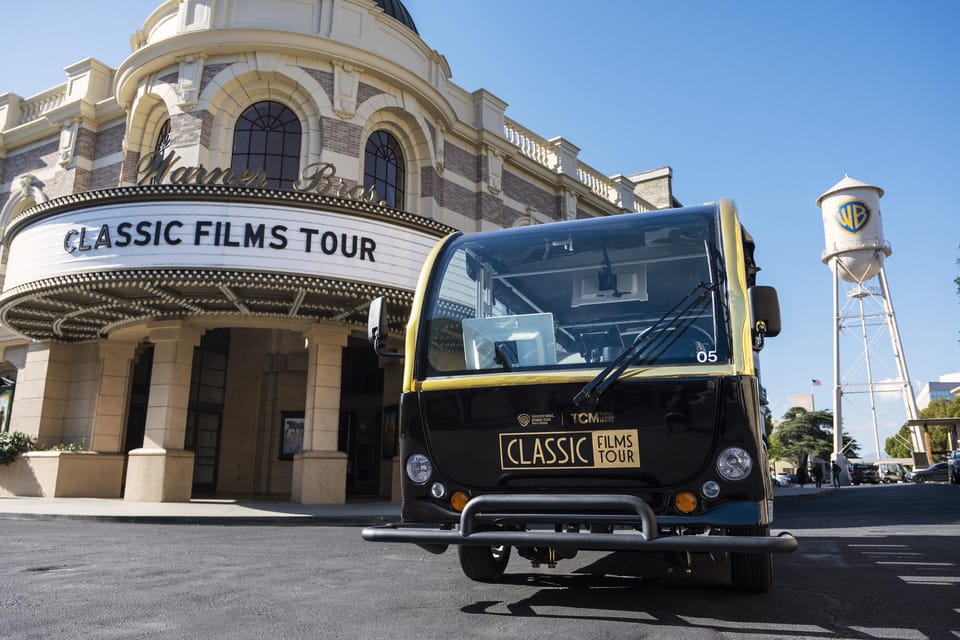
This is not just a big-studio walk-through. The TCM angle gives the experience a sharper theme: you’re celebrating the kind of classic titles that made TV and film feel like shared culture. That theme matters because it shapes where you’re spending time.
You’ll start at Warner Bros. and get a guided introduction through the visitor center, then you’ll move into areas where you can actually look at the studio details that normally stay off-limits or out of sight. The tour is also built around a few anchor stops—James Dean’s apartment exterior, the rose garden, the Eastwood Scoring Stage, and the Property House—so it’s easy to remember what you came for.
The length is about 3.5 hours, and that pacing is a sweet spot for people who want a full studio taste without turning it into your entire day. It’s also a good fit for first-timers who want the classic highlights without needing to know the studio’s history in advance.
You can also read our reviews of more tours and experiences in Los Angeles.

Price and time: is $99 worth it?

At $99 per person for roughly 3.5 hours, the value comes from what’s included, not from how long you’re on the lot. You’re paying for:
- a guided tour through the visitor center
- access to the Eastwood Scoring Stage
- a Property House visit with movie and TV props and costumes
That combination is rare. Many tours give you views of sets. This one leans harder into the studio’s collection and craft: the scoring stage and the prop library are not just pretty—they’re the production muscle of Hollywood.
If you’re the type who likes behind-the-scenes stuff, props, costume details, and film-making spaces, this price is easier to justify. If you only care about on-screen spots and big external landmarks, you might feel the tour is more inside-looking than sightseeing-heavy.
Starting at 3400 Warner Blvd: how the day gets rolling
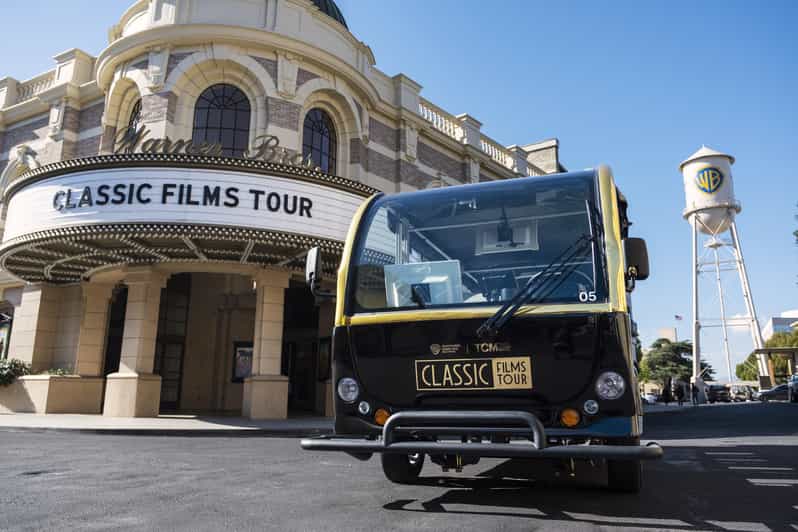
Your tour starts and ends at 3400 Warner Blvd. The practical upside? You’re not juggling confusing pickup points or searching for a secret gate. Parking is available for a fee at the same address, so you can arrive, park, and stay focused on the tour instead of logistics.
You’ll use your mobile voucher as your ticket to get inside, so there’s no need to line up for a physical ticket exchange. That saves time and reduces the “where do I go?” anxiety that can drain the early part of any studio visit.
Bring a passport or ID card, and note that adults must present a valid government-issued ID (driver’s license or passport) for studio entrance. Also be ready for the fact that personal belongings may be subject to a search—keep your bag simple so it doesn’t slow you down.
Visitor Center guided segment: get your bearings fast
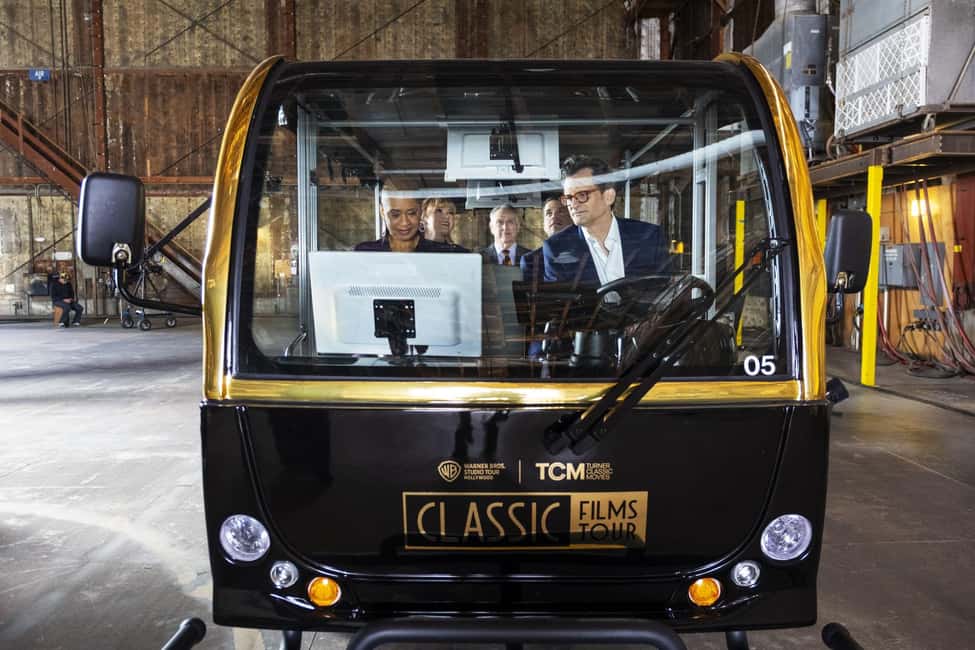
The first major stop is the visitor center, with a guided tour for about 1.5 hours. This is where the tour guide’s role matters most. Instead of wandering into studios thinking, what am I looking at, you get context right away.
That context is especially helpful for a TCM-themed experience. When you hear how certain production spaces connect to classic TV and film, the later stops feel less random. You’re not just seeing locations—you’re seeing the studio’s workflow and visual storytelling infrastructure.
For this guided portion, plan to listen closely at the start. The rest of the experience includes self-guided time, and having the early orientation makes you more effective once you’re on your own.
The self-guided time in Burbank: how to use your 2 hours
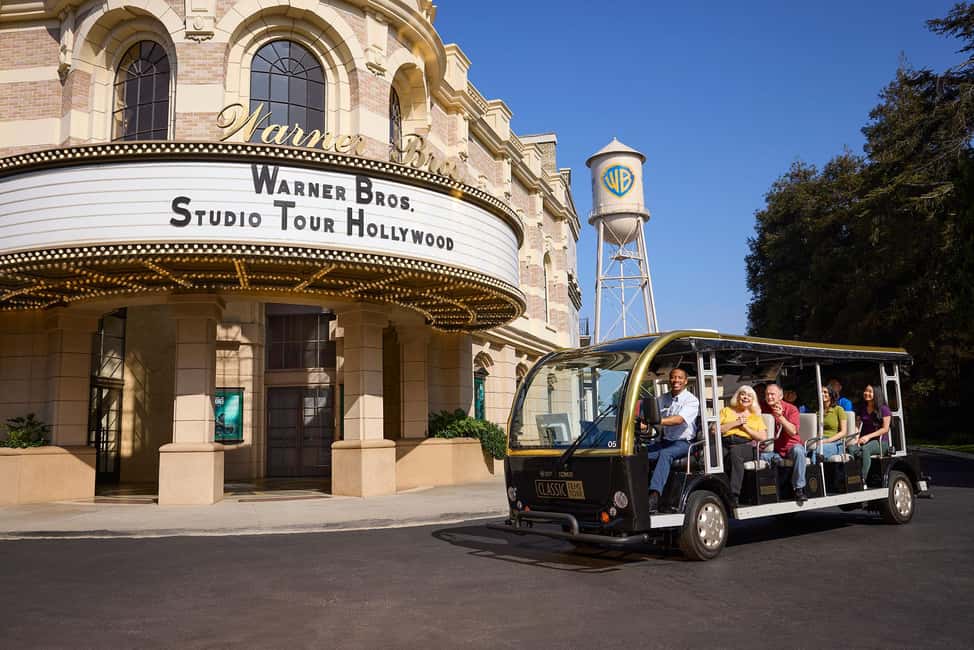
After the guided segment, you’ll shift to a self-guided portion (about 2 hours). That’s enough time to see the key highlights without feeling rushed, but it still rewards smart planning.
Here’s the big idea: don’t treat self-guided time as “wander and hope.” Use it to move directly between the tour’s anchor spots:
- James Dean’s apartment exterior
- the rose garden
- the Eastwood Scoring Stage
- the Property House
If you try to do everything at once, you’ll likely spend too long in one area and shortchange another. The best approach is to pick a priority order based on your interests. Props and costume fans will want to spend extra time at the Property House. Film-craft fans will slow down at the scoring stage.
Also, remember the media rules: photography is limited and video recording isn’t permitted. That means you should use your camera intentionally—take fewer shots, but compose them better.




James Dean’s apartment exterior: the small stop with the big punch
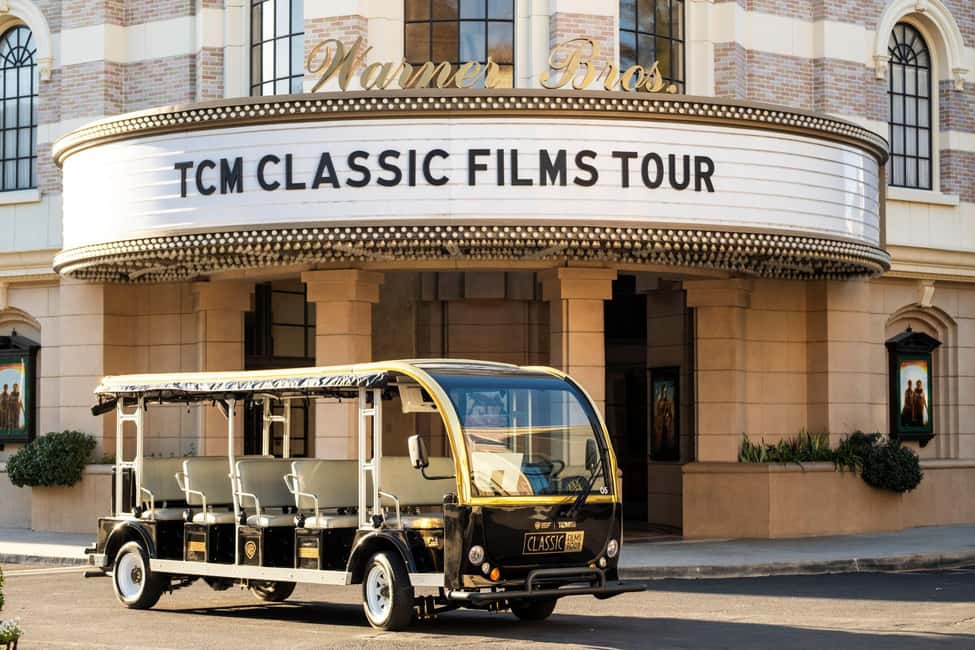
The tour’s James Dean moment is an exterior look at the apartment where he lived while working at Warner Bros. It’s not a full set experience, and it’s not a museum display. You’re seeing a real location, from the outside, tied to the period when he was working on the lot.
What I like about this stop is how it creates a personal connection. You don’t need a 20-page background guide to get it. You see the building’s exterior, then you connect it to the idea that the studio was not just a factory for stars—it was also part of their daily lives.
For you, this stop will land hardest if you:
- are a James Dean fan
- like Hollywood history that feels human, not just grand and distant
- enjoy tying production locations to real lives
The only drawback? Because it’s an exterior stop, there’s less to examine up close than at indoor prop or costume areas. If you want hands-on immersion, pair it with deeper time at the Property House.
The rose garden and Jack Warner’s tennis court: a calm pause in the middle

Next up is the rose garden, and it comes with a fun historical detail: in the early years, it was Jack Warner’s tennis court. That contrast—tennis court to rose garden—is the kind of studio transformation that makes Hollywood history feel real.
You’ll also notice that the garden sits amid studio life. The area is surrounded by talent dressing rooms, so it isn’t isolated like a park. It’s a quiet-looking pocket inside a working creative environment. That’s a big part of the charm: it gives you a breather, but it still feels connected to where people worked.
When you’re there, take a minute to look around the edges of the space. In a studio, the “outside” features are often what hint at the inside workflow—where people needed to move quickly, where sets needed to connect to backstage.
Eastwood Scoring Stage (built 1929): where sound gets made
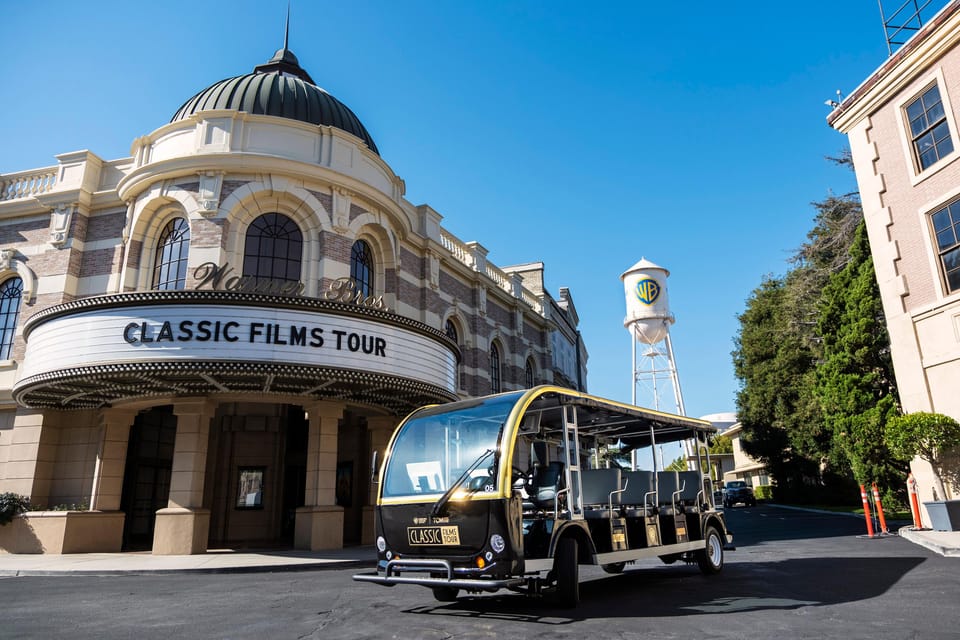
One of the most distinctive included stops is the Eastwood Scoring Stage, built in 1929. If you’ve ever listened closely to how movie music can change a scene—tension, romance, mystery—then you already understand why this part of the tour matters.
This stop is valuable because it reminds you that movies aren’t only pictures. They’re also timing, performance, and sound decisions. A scoring stage is a working tool, not just a landmark.
What I’d watch for during your visit is the atmosphere. Scoring stages often feel different from other studio areas: more tuned-in, more about precision. Even if you’re not an audio expert, you’ll likely feel the craftsmanship when you’re standing where soundtracks get built.
This is also a strong stop for people who love the technical side of filmmaking. If your favorite “classic film” moment is the music cue, you’ll probably enjoy this more than you expect.
The Property House: half a million props and costume reality
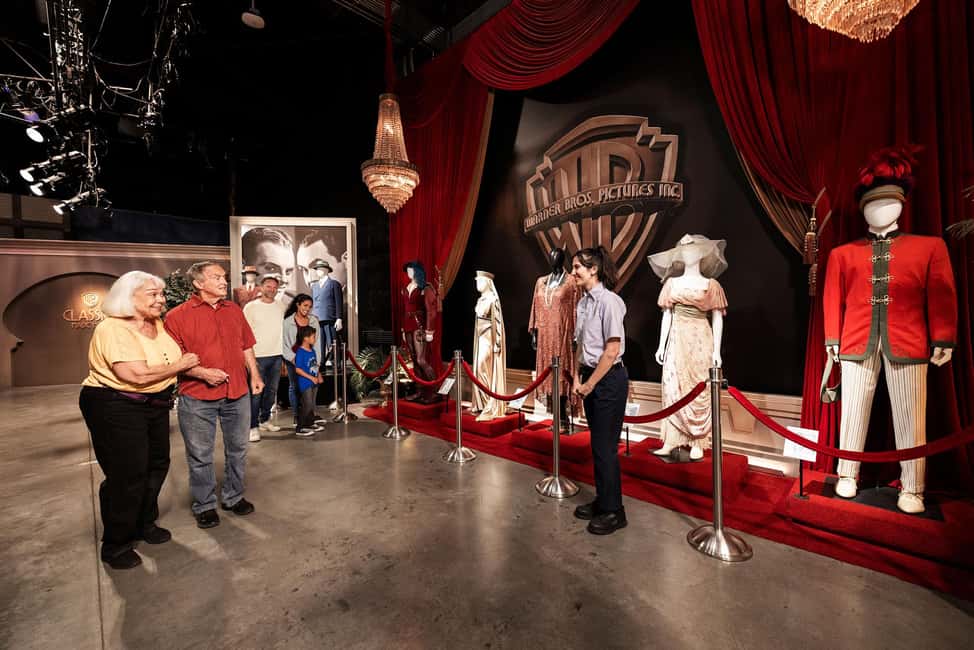
If you want the “wow” factor, this is it. The Property House houses over half a million television and movie props, plus costumes. It’s essentially a working archive—an indoor world where set dressing and screen illusions get stored in physical form.
Two standout examples given for the collection:
- the pirate chair from Captain Blood
- the Tiffany’s chandelier from The Letter
Those examples are useful because they give you anchors. You’re not looking at generic storage. You’re seeing props with recognizable stories, and it helps you understand how specific objects become iconic on screen.
Here’s how to get the most from this stop:
- Slow down. Prop rooms reward attention.
- Pick a few props or costume categories and focus on them.
- Look for the “how did they do it” details: scale, wear, materials, and how something would translate under studio lighting.
The main consideration is time and energy. It can be a lot to take in, especially if you’re visiting after a busy day. Build your endurance by pacing yourself: start curious, then choose a few things to linger on instead of trying to scan everything.
Photography, ID checks, and rules that affect your experience
This tour is very clear about what’s allowed. Video recording isn’t permitted, and photography is limited. That means your best plan is to treat your camera like a tool for memory, not an unlimited filming device.
Use your phone for still photos where you’re allowed, and aim for “record the moment” shots rather than constant recording. If you go in expecting to film freely, you’ll feel annoyed and distracted once you hit the first rules checkpoint.
You’ll also need proper ID for entrance. Adults must present a valid government-issued ID (driver’s license or passport). If you forget it, you could be stuck at the gate. Bring it in an easy-to-reach pocket.
Finally, expect that personal belongings may be subject to a search. Keep zippers, bags, and bulky items to a minimum so you’re not fumbling mid-queue.
Who this tour suits best (and who should think twice)
This tour is a strong match for:
- classic film and TV fans who like TCM-style programming
- James Dean fans
- people who enjoy props, costumes, and the physical evidence of movie-making
- travelers who want a studio experience that includes both historic locations and behind-the-scenes craft
You might think twice if you:
- want lots of filming time (video isn’t allowed, and photography is limited)
- have extremely young children (it’s not suitable for children under 5)
- only care about big scenic exteriors and don’t want indoor archives like the Property House
On the other hand, if you like short stops with meaning and a couple of unforgettable anchor areas, this is built for you. It’s not trying to do everything. It’s trying to do the right things well in about 3.5 hours.
Should you book the TCM Classic Films Tour?
Book it if your idea of a great studio day includes iconic history you can see for yourself—like James Dean’s apartment exterior—plus the kind of indoor archive stop that makes movie objects feel tangible, like the Property House with its half-million props. The Eastwood Scoring Stage is the bonus for anyone who wants to remember that movies are made with sound as much as visuals.
Skip it or consider something else if you’re mainly after unrestricted filming or you need a tour that’s purely exterior-sightseeing. The best version of this experience is the one where you show up ready to look, read the details the guide shares, and slow down at the stops that make classic movies feel real.
If that’s you, this is a smart buy at $99—especially because the included access goes beyond the usual “walk and wave” studio tour.
FAQ
How long is the Burbank TCM Classic Films Tour?
The tour duration is listed as 3.5 hours. Starting times vary, so you’ll want to check availability for the exact schedule.
Where does the tour start and end?
It starts and ends at 3400 Warner Blvd.
Is photography or video recording allowed?
Photography is limited. Video recording is not permitted.
What ID do I need for entrance?
Adults must present a valid government-issued ID, either a driver’s license or passport, for entrance to the Studio. You should also bring a passport or ID card.
What’s included in the ticket price?
Included items are a guided tour of the Warner Bros. Studio, access to the Eastwood Scoring Stage, a visit to the Property House, and viewing iconic movie props and costumes.
Is the tour suitable for young children?
The tour is not suitable for children under 5 years.