
REVIEW · LOS ANGELES
Los Angeles: La Brea Tar Pits Museum Ticket
Book on GetYourGuide →Operated by Natural History Museum of Los Angeles · Bookable on GetYourGuide
Los Angeles can feel like sci-fi, especially when the Ice Age is still happening under your feet. This ticket gets you into an active tar-pit dig zone and a museum built to show science in real time. I especially love two things: you can watch excavations and you’ll get to see fossils being cleaned and studied in the Fossil Lab. One consideration: most of the experience has an outdoor feel, so plan for sun and heat.
The La Brea Tar Pits visit works like a mini day-trip from your normal LA routine—no frantic schedule, just a steady flow from the tar to the displays to the labs. You’re not just looking at old bones in cases; you’re seeing how scientists recover and process them. If you’re hoping for a huge, all-day mega-museum experience, this one is more focused and human-scale, so it may feel short if you like lots of galleries.
In This Review
- Key things you’ll notice (and why they matter)
- La Brea Tar Pits Museum: a one-day ticket that feels like live discovery
- Pit 91 and the bubbling tar: where the Ice Age becomes physical
- Pleistocene Gardens: a breathing space between big science moments
- Fossil Lab: watching the cleaning and study work
- The museum layout: how to move through it without missing the best parts
- Price and value: what $18 buys you (and what’s extra)
- What to expect for families, adults, and curious first-timers
- Should you book the La Brea Tar Pits Museum ticket?
- FAQ
- Where is the meeting point for this experience?
- How long does the visit take?
- What is included with general admission?
- Can I access the Fossil Lab with this ticket?
- Is the tar bubbling part of the experience?
- Does the ticket include the Ice Age Encounters show or the 3D Film?
- Is there a free Excavator Tour?
- When is the museum open?
- Is parking included?
- What if I’m traveling with an infant?
- FAQ
- Can I cancel for a refund?
- Can I reserve now and pay later?
Key things you’ll notice (and why they matter)
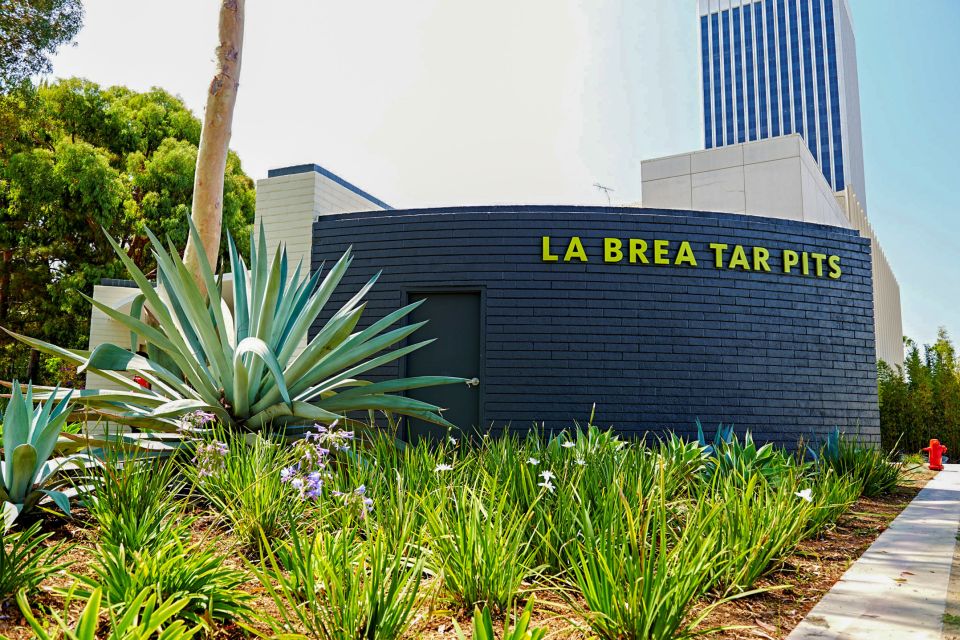
- Pit 91 access lets you connect the story of Ice Age traps to what’s being excavated now
- Bubbling tar makes the setting feel real, not museum-diorama fake
- Fossil Lab access shows the work behind the finds, not just the finished specimens
- Pleistocene Gardens give you a calmer, easier pace between heavier exhibits
- Excavator Tour is free with general admission, but you need to time it because space is limited
La Brea Tar Pits Museum: a one-day ticket that feels like live discovery
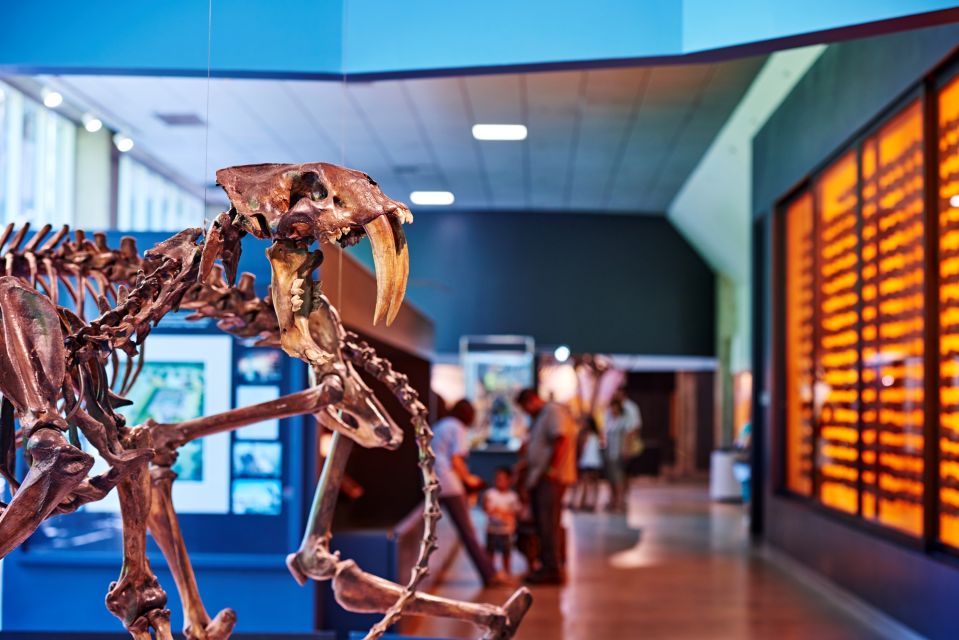
La Brea Tar Pits is one of those rare places where the past isn’t locked behind glass. The site is still active, and that changes the whole vibe of the museum. Instead of pretending everything happened long ago, you get the sense that today’s excavation is part of the same story that created the famous fossil record.
The museum visit is built around three “modes.” First, you’re outside with the tar and the dig. Next, you move through curated museum spaces to place the discoveries in context. Then you end up where the details matter most: the Fossil Lab, where you can watch how fossils are cleaned and studied. That mix is great value for a 1-day stop because you get both atmosphere and process.
And yes, the headlines are still impressive—mammoths, saber-toothed cats, dire wolves, and more—but what you’ll remember is how the site makes those names feel connected to real excavation work.
You can also read our reviews of more tours and experiences in Los Angeles



Pit 91 and the bubbling tar: where the Ice Age becomes physical
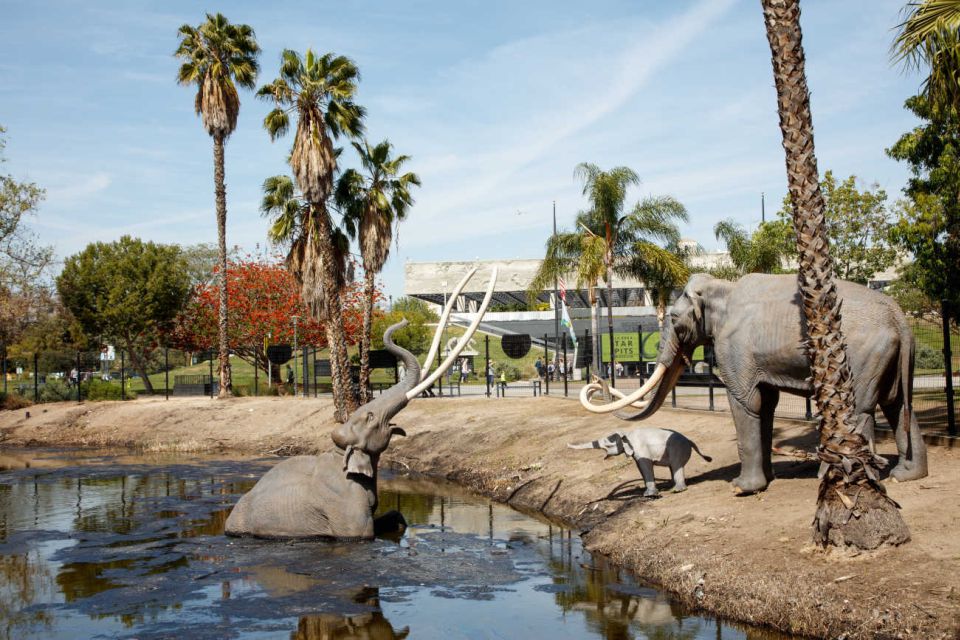
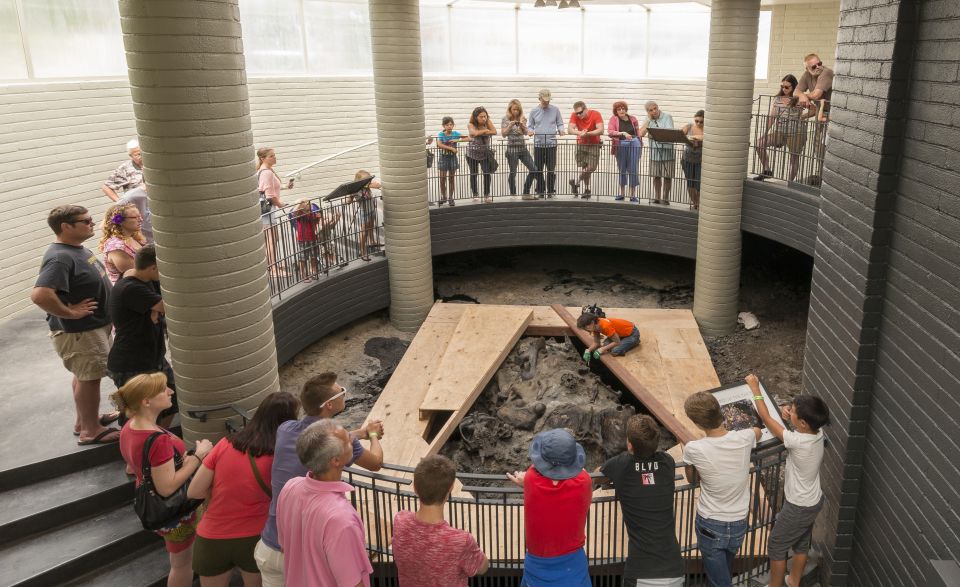
Pit 91 is the core experience in the outdoor portion, and your ticket includes access there. This is where you can stand near an active excavation and see how the tar has been preserving fossils for tens of thousands of years. The “wow” factor is immediate because it’s a working site, not a sealed exhibit.
The tar itself is the star. You can see it bubbling from the ground, and that sensory detail is a big reason this place doesn’t feel like a typical museum. It’s the kind of scene that makes you look twice and then slow down, because your brain tries to connect what you’re seeing now with the animal stories the fossils tell.
Pit viewing is also where the museum’s layout helps you. It keeps you moving, but not hurried. You’re able to notice the practical reality of excavation—how careful the process has to be when you’re dealing with fragile remains. It’s a good match for different ages, too: kids tend to love the scene and the animal names, while adults often get pulled in by the “how do they find this and what happens next” questions.
Pleistocene Gardens: a breathing space between big science moments
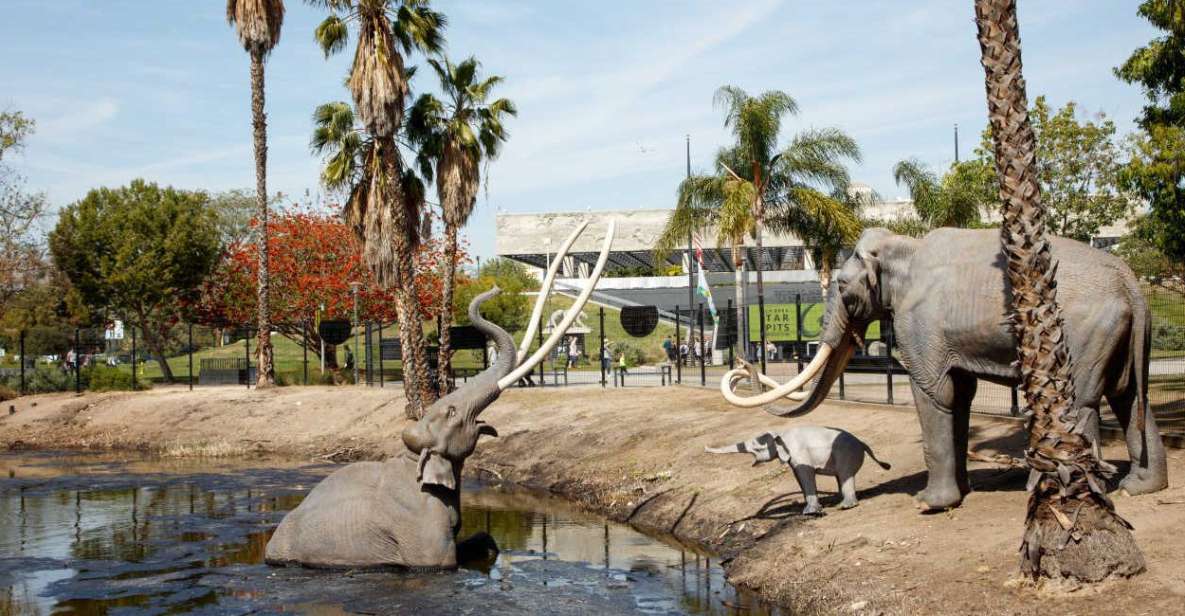
After the dig-area focus, the Pleistocene Gardens are a smart reset. Instead of only studying bones, you get a chance to think about what the environment may have looked like—plants and setting that help explain why animals and humans (in the broader story) would have moved through this region.
This portion also tends to feel less intense. It’s a place where you can take a slower lap, read the key interpretive signs, and regroup before heading back into museum spaces. One practical note from how people plan their visit: bring a light picnic mindset. It’s an easy place to sit, snack, and turn the visit into a relaxed afternoon rather than a rushed checklist.
If you’re visiting during warmer hours, gardens and outdoor areas help because you can choose your pace—linger where it’s comfortable, move on when you want more shade or indoor learning.
Fossil Lab: watching the cleaning and study work
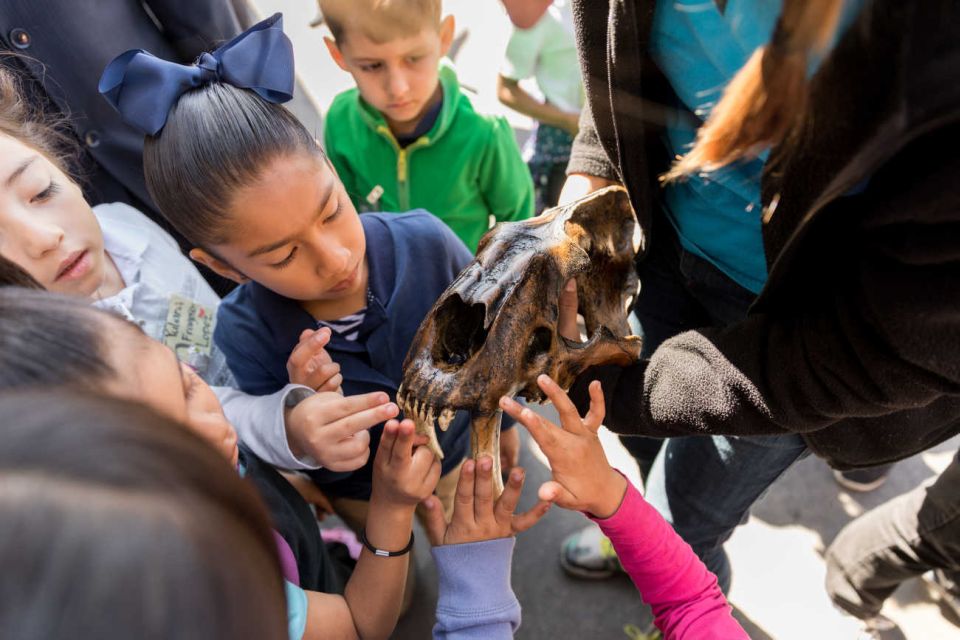
The museum’s Fossil Lab is one of the most valuable parts of the ticket. Instead of only showing finished fossils, you get to watch scientists clean and study the unearthed material. That matters because it turns “cool bones” into a real workflow.
Think about it: fossil recovery isn’t like finding a complete dinosaur in one piece. It usually means careful removal, cleaning, and analysis. When you watch the work, the discoveries start to feel earned. You’re seeing the method behind the myth—how research turns fragments into evidence.
This is also where the museum’s storytelling gets more grounded. The site has produced a famous lineup of Ice Age animals, and seeing the lab process helps you understand what it takes to identify them properly. The result is a museum experience that feels more trustworthy, because you’re not just absorbing facts—you’re seeing how those facts get made.
If you like science that’s practical and hands-on, this lab section is the part you’ll talk about after. It’s also the kind of attraction that works for mixed groups: kids enjoy the “watch them work” idea, and adults appreciate the seriousness of the process.
The museum layout: how to move through it without missing the best parts

With a 1-day ticket, the biggest challenge isn’t finding things—it’s choosing your pace. The museum is open daily from 09:30 AM to 5:00 PM (check for holiday closures), and your day will flow best if you don’t treat it like a timed race.
Here’s a simple way to get your bearings:
- Start with the outdoor focus so the tar and Pit 91 set the tone early.
- Then go into the museum areas for the structured exhibits.
- Save the Fossil Lab portion for when you want detail and context.
Timing also matters for the Excavator Tour, which is free with general admission. You’ll need to make a timed reservation when you arrive, and space is limited, so it’s not guaranteed. If you want the best chance at getting in, plan to arrive with time to grab your spot and settle in before the tour.
A practical tip: many people like aiming around late morning for a smoother visit. If you show up later in the afternoon, you might still have a great time, but tour availability is more of a gamble. Plan your day so you have flexibility if the tour fills up.
You can also read our reviews of more museum experiences in Los Angeles






Price and value: what $18 buys you (and what’s extra)
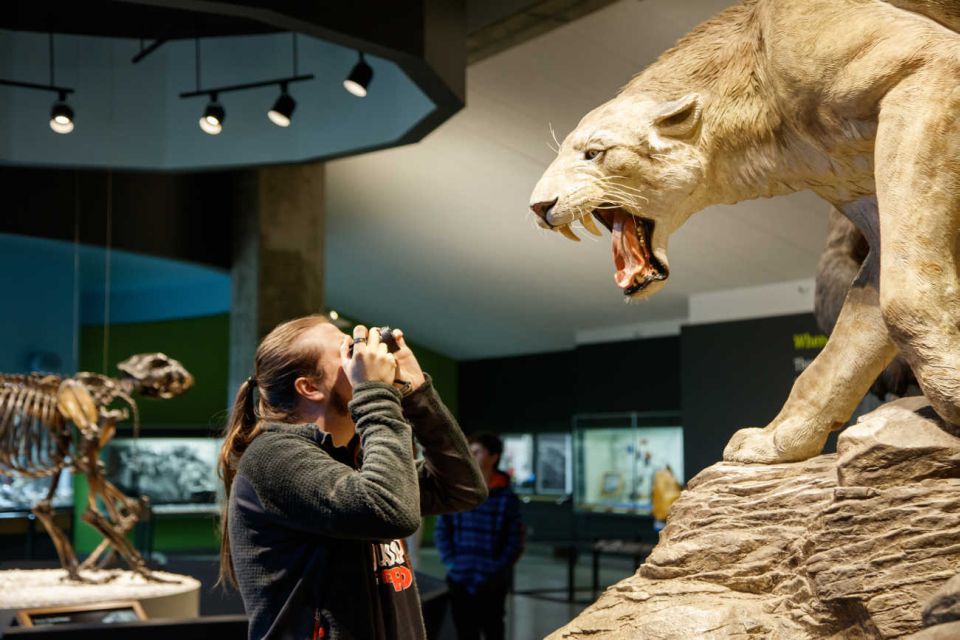
The ticket price is $18 per person, and for a one-day museum visit that includes major site access, it’s fairly straightforward. You’re not just paying for a small indoor museum; you’re paying for the combination that makes La Brea special: active dig viewing at Pit 91, museum entry, and Fossil Lab access.
Also included with your admission are:
- Pit 91 access
- Pleistocene Gardens
- Atrium Access
Not included are the Ice Age Encounters show and the 3D Film. Those are add-ons you can purchase on site when you arrive. If you’re traveling with kids or you want a more themed media moment, you might consider adding one of these. If you’d rather keep the day focused on the physical site and lab work, you can skip them and still feel you got full value from your ticket.
Parking is extra, so if you’re driving, factor that cost into your budget. The museum setting is in a busy LA area, and parking fees can catch people by surprise—so check ahead and decide whether you’ll budget for the convenience of onsite parking.
Overall, the best value here comes from using what’s included in your favor. If you only want a quick photo stop, this can feel like too much time for too little payoff. If you like real science, a functioning excavation, and lab observation, the ticket holds up well.
What to expect for families, adults, and curious first-timers
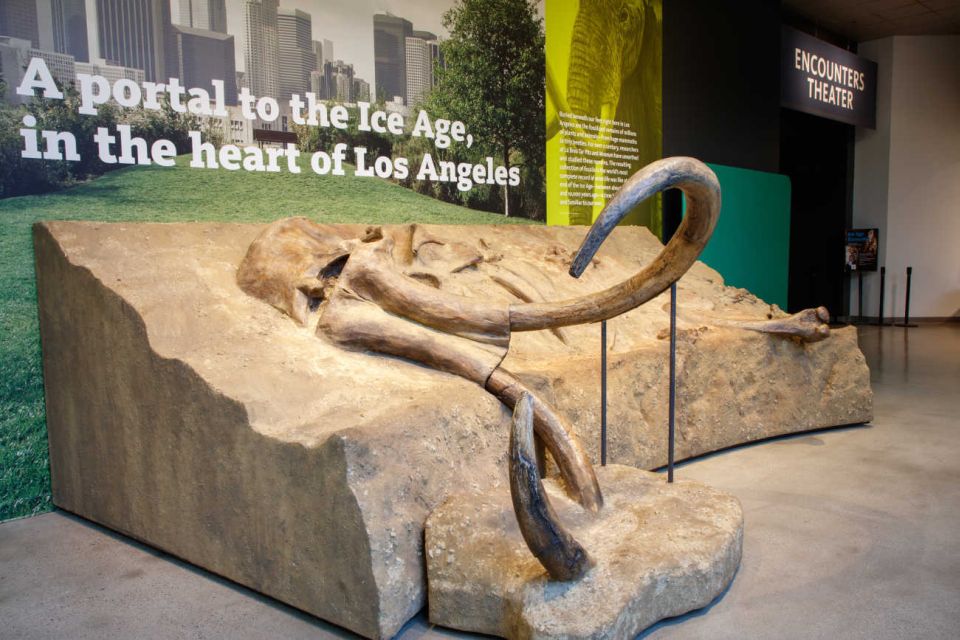
La Brea Tar Pits works for a wide range of visitors because it hits multiple interests at once: geology, biology, and history-like storytelling tied to real evidence. Kids usually latch onto the big animals and the fact that the excavation is still going. Adults often appreciate how the site explains why tar traps fossils so well, and how scientists interpret remains that come out of the ground.
The museum also feels designed for mixed ages. One reason is pacing: you can move between outdoor tar views, garden-style breathing space, and the Fossil Lab where everyone can watch the work. It’s not all lectures, and it’s not all hands-off.
If you’re someone who loves passive, outdoor sightseeing, you’ll probably enjoy this even more because the setting does some of the emotional work for you. If you prefer only indoor attractions, you might still love the museum, but bring a plan for sun and comfort since large parts are outdoors.
Should you book the La Brea Tar Pits Museum ticket?
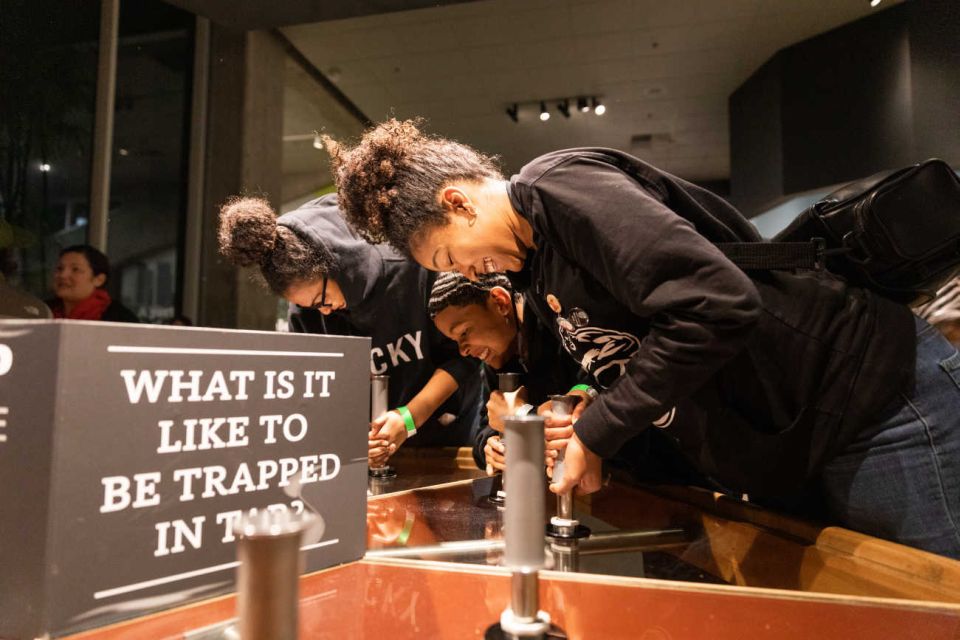
I’d book this if you want a true “LA special” that’s not just another shopping-and-views day. The ticket’s strength is the mix: Pit 91 access, the ability to see bubbling tar, and the chance to watch scientists in the Fossil Lab. That combination turns fossil collecting from a museum subject into a lived, ongoing process.
Skip it (or consider pairing differently) if you’re hunting for a large, hours-long museum with endless galleries. This is focused. It gives you the essentials—and then it moves you to what’s happening now.
If you want the best chance at the Excavator Tour, arrive early enough to reserve a timed slot after you get there. And if heat is an issue for you, plan to take your time in the gardens and choose shaded breaks.
FAQ
Where is the meeting point for this experience?
The meeting point is Page Museum at La Brea Tar Pits, 5801 Wilshire Boulevard, Los Angeles, CA 90036.
How long does the visit take?
The ticket is valid for 1 day.
What is included with general admission?
General admission includes Pit 91 access, Pleistocene Gardens, and Atrium Access.
Can I access the Fossil Lab with this ticket?
Yes. Fossil Lab access is included with general admission.
Is the tar bubbling part of the experience?
You can see tar bubbling from the ground as part of the La Brea Tar Pits experience.
Does the ticket include the Ice Age Encounters show or the 3D Film?
No. The Ice Age Encounters show and the 3D Film are add-ons and can be purchased on site when you arrive.
Is there a free Excavator Tour?
Yes. The Excavator Tour is free with General Admission, but you must make a timed reservation when you arrive. Space is limited and not guaranteed.
When is the museum open?
The museum is open daily from 09:30 AM to 5:00 PM. Check the website for closed holidays.
Is parking included?
No. There is an onsite parking lot, but it costs an additional fee.
What if I’m traveling with an infant?
If you have an infant (0-2 years old), they will be given a ticket upon arrival.
FAQ
Can I cancel for a refund?
Yes. You can cancel up to 24 hours in advance for a full refund.
Can I reserve now and pay later?
Yes. Reserve now & pay later is offered, so you can book your spot and pay nothing today.