REVIEW · LOS ANGELES
Los Angeles: Grammy Museum Entry Ticket
Book on GetYourGuide →Operated by GRAMMY Museum · Bookable on GetYourGuide
Music history you can touch. The GRAMMY Museum in Downtown Los Angeles turns award-season stories into hands-on galleries. I like that you get real music artifacts across multiple floors without needing a music degree, and the experience is built for both fans and curious first-timers.
Two things I really enjoyed: the Sonic Playground setup where you can play with sound in interactive ways, and the Mono to Immersive exhibit that traces how recorded sound and GRAMMY performances evolved over time. It’s a museum that keeps you moving, not just reading labels.
One drawback to keep in mind: the museum can close sections for private events, and occasionally a floor or interaction may be unavailable on a given day. Plan for flexibility and don’t count on every room being open at every moment.
In This Review
- Key highlights worth targeting
- Where the Grammy Museum fits in a Downtown LA day
- Price and what you’re truly paying for
- The quick win: Ray Charles Terrace and the Hollywood Sign
- Inside the museum: four floors of music memorabilia
- Mono to Immersive: the sound timeline you can hear
- Sonic Playground: the interactive music-making part
- Special exhibits in the mix: Luther Vandross and more rotating rooms
- RetroBlakesberg: music history through photography
- What to do first: a simple self-guided flow
- Timing, comfort, and small-day realities
- Is it worth it for your group?
- Practical tips to maximize your $22 visit
- Should you book the Grammy Museum entry ticket?
- FAQ
- How much is the Los Angeles GRAMMY Museum entry ticket?
- How long is the Grammy Museum experience?
- What is included in the ticket?
- Is a guided tour included?
- Are food and drinks included?
- What special exhibit is included right now?
- Is the museum wheelchair accessible?
- What should I bring?
- Can I cancel for a refund?
- Are there any closures I should expect?
Key highlights worth targeting
- Ray Charles Terrace Hollywood Sign photos: a quick, scenic stop that turns your visit into a LA moment.
- Sonic Playground interactives: a hands-on music-making area with 17 unique stations.
- Four floors of memorabilia: you’ll see music artifacts spanning genres and eras.
- Mono to Immersive audio timeline: a sound journey from older recording styles toward surround sound.
- Rotating special exhibits: your ticket covers current shows, including Luther Vandross: Artistry and Elegance.
Where the Grammy Museum fits in a Downtown LA day
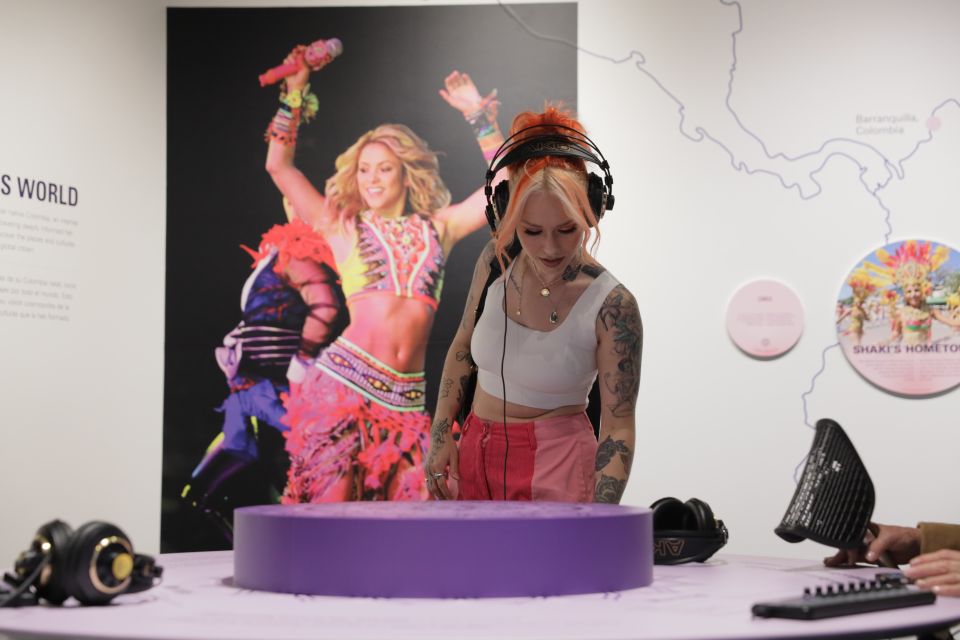
This is an easy “one-day plan” kind of ticket. You’re not committing to a long guided itinerary, and you don’t need to schedule around a tour group. Instead, you walk your own path through the galleries and spend time where your music tastes pull you.
At $22 per person for a full visit, the value comes from two areas: the museum’s physical collection (spread across four floors) and the hands-on, interactive formats. If you’ve got kids, teenagers, or any friend who learns best by doing, this is the kind of stop that turns museum fatigue into something more fun.
Rating-wise, it sits at about 4.3/5 based on 105 reviews, with visitors frequently praising the interactive parts. That lines up with what the museum is built to deliver: play, listen, and look closely at artifacts tied to major music moments.
You can also read our reviews of more tours and experiences in Los Angeles



Price and what you’re truly paying for
You’re paying for entry to the museum—nothing more. No souvenir bundle is included, and there’s no guided tour in the ticket price. That matters because your best experience depends on how you use your time.
Think of the $22 as paying for:
- access to four floors of memorabilia and exhibit spaces
- entry into interactive experiences like Sonic Playground and Mono to Immersive
- access to the current rotating special exhibit, including Luther Vandross: Artistry and Elegance
If you love music at a hands-on level, the ticket feels very fair. If you only want deep Grammy-institution details (like how winners are selected), you may wish you’d budget extra time for the exhibits that fit that interest, since some areas focus more on music and sound than on award-process mechanics.
The quick win: Ray Charles Terrace and the Hollywood Sign

The museum experience comes with a bonus photo angle at the Ray Charles Terrace. This is one of the easiest ways to connect your visit to the broader LA story—one moment you’re thinking about music, the next you’re capturing the Hollywood Sign viewpoint.
Don’t treat this like a throwaway photo spot. It gives you a break from indoor galleries and a clear “LA souvenir” without needing a separate activity. I’d aim to do it earlier in your visit so you’re not dragging yourself through later floors when the day gets long.
Inside the museum: four floors of music memorabilia
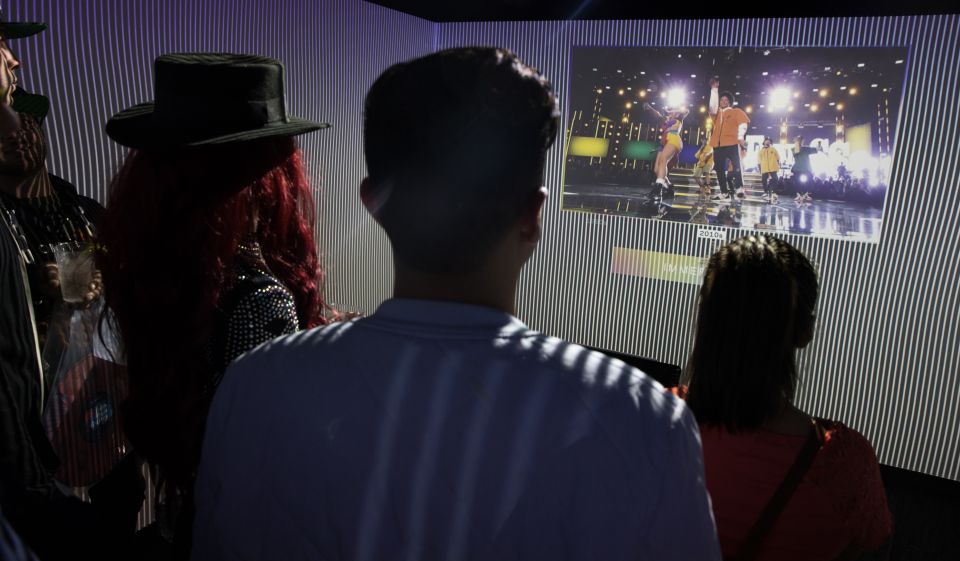
The GRAMMY Museum uses a multi-floor layout to cover a wide range of music culture. With memorabilia spread across four floors, you can spend time bouncing between eras and genres instead of getting stuck in one zone for the whole day.
You’ll see artifacts that connect artists, styles, and recognizable GRAMMY moments. The exhibits aren’t all about the awards ceremony itself; they’re also about the music you hear on radio, streaming, and big performances—how it’s made, styled, recorded, and remembered.
A practical note: some reviews mention that there were empty spaces on certain walls and that the museum can feel smaller than expected. That doesn’t ruin the visit, but it’s a reason to go in with the right expectation: this is a concentrated, interactive museum, not a giant warehouse of every GRAMMY detail ever created.
Mono to Immersive: the sound timeline you can hear
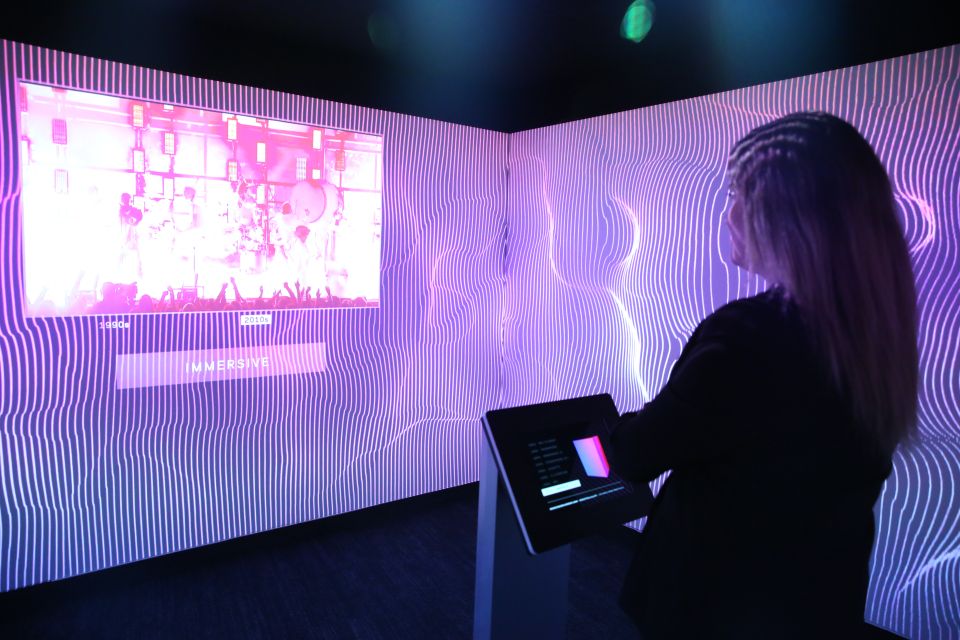
If you like audio, this is a core stop. Mono to Immersive is designed as a listening journey—moving from earlier sound eras toward modern surround sound. It also frames the GRAMMY story across time, while giving you a chance to relive performance moments along the way.
What makes this exhibit valuable is the way it teaches without feeling like homework. You don’t just read about evolution; you encounter differences in sound design and audio quality through an exhibit path that feels like an organized timeline.
One planning tip: when you hit the audio exhibits, give them your full attention. This is where earbuds and distractions are most likely to reduce the payoff.
You can also read our reviews of more museum experiences in Los Angeles






Sonic Playground: the interactive music-making part
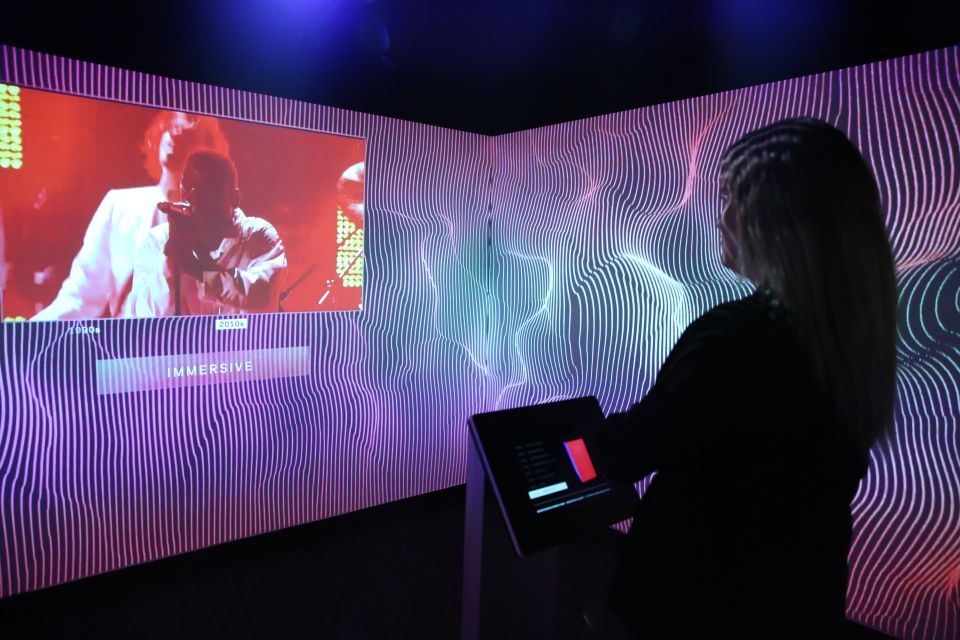
This is where the museum earns its “do something” reputation. Sonic Playground is described as an immersive, hands-on area that turns the museum’s second-floor gallery (about 3,000 square feet) into an interactive hub with 17 unique interactives.
What I like about this kind of exhibit is that it welcomes different learning styles. If you’re the type who wants to try controls, press buttons, and hear immediate results, you’ll have a strong time here. If you’re more of a watcher, there’s still plenty to observe—how sound changes when you manipulate rhythm, pitch, or effects.
Reviews also mention studio-style rooms where you can use microphones and experiment with beat machines. That’s a big deal for value. It turns a museum visit into a mini creative session, even if you’re not a “real DJ” or performer.
Special exhibits in the mix: Luther Vandross and more rotating rooms
Your ticket covers the museum’s current special exhibit, and right now that includes Luther Vandross: Artistry and Elegance. If you’re a fan of songwriting, vocal performance, and production details, this kind of exhibit can be especially satisfying because it’s centered on a single artist’s artistry rather than a broad genre sweep.
Here’s the practical part: special exhibits rotate, so your experience changes depending on when you go. Some reviews reference other artist-focused spaces on recent dates, including dedicated rooms for major pop acts. That means checking what’s showing on your specific day is worth it, especially if you’re traveling with a specific fandom or favorite artist.
If you like variety, rotations are a plus. You could come twice and feel like you didn’t repeat the same visit.
RetroBlakesberg: music history through photography
Another exhibit mentioned in the museum description is RetroBlakesberg, which looks at about 30 years of music history through photographer Jay Blakesberg. Instead of centering everything on sound technology, this one adds a visual lens: you see how eras and scenes were captured, and you connect the look and mood of music culture to the sound people remember.
This is a good counterbalance to audio-heavy areas. After you’ve spent time with speakers and interactive controls, photography can slow you down and let you notice details you might otherwise miss.
What to do first: a simple self-guided flow
Because this is an entry ticket (not a timed guided tour), the smartest approach is to start with whatever you’ll be most disappointed to miss.
A good order I’d follow:
- Start with audio and interactive zones you care about most, like Sonic Playground and Mono to Immersive.
- Then move into the memorabilia floors, where you can pause longer without feeling like you’re rushing.
- Finish with rotating special exhibits so you can adjust based on what’s open that day.
Also, plan for downtime. There’s a lot to take in. Taking breaks will make the listening exhibits feel more meaningful, not less.
Timing, comfort, and small-day realities

This is a full-day ticket in the sense that you can stay for one day, starting when you first activate entry. The museum can occasionally close certain sections for private events, so it’s smart to keep your expectations flexible.
Comfort matters more than you’d think. You’ll walk between floors and spend time standing at interactive stations, so comfortable shoes aren’t optional.
If you’re visiting on a day when a section is closed, don’t panic. Pivot to the parts that still run well: the main memorabilia floors, the photography-based galleries, and the exhibits that focus on audio demonstrations.
Is it worth it for your group?
This museum is a strong match for:
- Music fans who like seeing artifacts tied to big moments and artists
- Families who want hands-on learning more than lecture-style museum time
- Teenagers and “music curious” adults who enjoy trying things and hearing results
It’s a weaker match if your main goal is a deep explanation of the Grammy selection process as an institution. Some reviews suggest that the museum leans more toward music itself—genres, artists, sound, and performance culture—rather than a step-by-step guide to how awards are decided. If that’s your top interest, you may still enjoy it, but set expectations accordingly.
Practical tips to maximize your $22 visit
Here’s how to get the most out of the ticket price:
- Put Sonic Playground near the top of your plan so you aren’t left with long lines or reduced time.
- When you reach audio rooms, give yourself a quieter moment and don’t multitask.
- If a rotating special exhibit is a must-see for you, check what’s on before you go and treat it as a priority stop.
- Bring energy for replay. Some interactive experiences encourage multiple tries because it takes a minute to understand how the controls affect sound.
Also: the museum isn’t huge, and it can feel more compact than other LA attractions. That’s not bad—it often means you can do a focused visit without losing the day to transit or waiting.
Should you book the Grammy Museum entry ticket?
Yes—if you want a one-day Downtown LA plan that mixes music memorabilia with real hands-on exhibits. The biggest selling points are Sonic Playground and Mono to Immersive, plus the rotating special exhibit that can put a specific artist in the spotlight during your visit.
If your priority is learning every detail about the Grammy institution and awards system, you might feel the museum is more about music culture than the paperwork behind the ceremony. Still, the audio and interactive elements make it a worthwhile stop for most people—especially if you like to touch, listen, and try.
FAQ
How much is the Los Angeles GRAMMY Museum entry ticket?
The price listed is $22 per person.
How long is the Grammy Museum experience?
The ticket is valid for 1 day, starting from the first activation.
What is included in the ticket?
Your ticket includes entry to the GRAMMY Museum.
Is a guided tour included?
No. A guided tour is not included.
Are food and drinks included?
No. Food and drinks are not included.
What special exhibit is included right now?
The special exhibit listed is Luther Vandross: Artistry and Elegance.
Is the museum wheelchair accessible?
Yes, the museum is wheelchair accessible.
What should I bring?
Wear comfortable shoes, since you’ll be walking and moving through multiple exhibit areas.
Can I cancel for a refund?
Yes. Free cancellation is available up to 24 hours in advance for a full refund.
Are there any closures I should expect?
Certain sections may occasionally close for private events, so it’s possible not everything will be open on your day.