REVIEW · LOS ANGELES
Natural History Museum of Los Angeles County Admission
Book on Viator →Operated by LOS ANGELES COUNTY MUSEUM OF NATURAL HISTORY FOUNDATION · Bookable on Viator
Dinosaurs and diamonds under one roof. This Natural History Museum of Los Angeles County ticket is a smart way to see LA’s science side fast, with big dinosaur energy, native nature exhibits, and a Gems and Mineral Hall filled with famous-looking specimens.
I especially like that the ticket includes the Dinosaur Hall highlights plus the related behind-the-scenes Dino Lab area, so the dinosaurs feel like more than just statues. I also like the Gem and Mineral Hall, where the collection is presented in a way that’s easy for kids to understand and adults to enjoy.
One thing to plan around: the museum is huge and the halls take real walking time, and parking in this area can be pricey and not always close.
In This Review
- Key Highlights to Know Before You Go
- A Great LA Museum Plan for About 3 Hours
- Dinosaur Hall and the T. rex Growth Series
- Timing tip for dinosaur lovers
- Evolution Galleries: 65 Million Years, Many Specimens
- Becoming Los Angeles and the LA Nature Angle
- Gems and Minerals Hall: Why This Room Feels Like Magic
- Planning Your Day: Hours, Crowds, Parking, and Food
- Parking and getting there
- Food strategy
- Add-On Choices: Dinosaur Encounters and the Fierce! Cats Exhibit
- Dinosaur Encounters show (not included)
- Fierce! The Story of Cats (separate ticket)
- How Long Should You Stay?
- Should You Book This Natural History Museum Admission Ticket?
- FAQ
- What is included in the Natural History Museum of Los Angeles County admission ticket?
- What is not included with the admission ticket?
- How long should I plan to visit?
- What are the museum hours?
- Is this ticket mobile?
- Can I cancel for free?
- Is there a limit on the number of people per booking?
Key Highlights to Know Before You Go
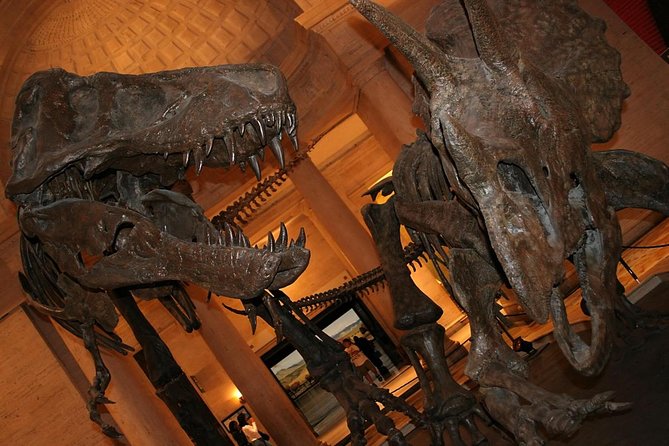
- Dinosaur focus with real fossil power: 300+ fossils, 20 complete skeletons, and a T. rex growth series
- Hands-on learning areas: include Nature Lab and Nature Gardens, plus kid-friendly dig-style activities you can find inside
- Gems and minerals at museum-scale: 2,000+ diamond, ruby, sapphire, and gemstone specimens, including a vault-style display
- LA-specific nature and history: Becoming Los Angeles and native-plant and native-creature exhibits
- Add-ons are separate: Dinosaur Encounters and the Fierce! cats exhibit require extra tickets
A Great LA Museum Plan for About 3 Hours
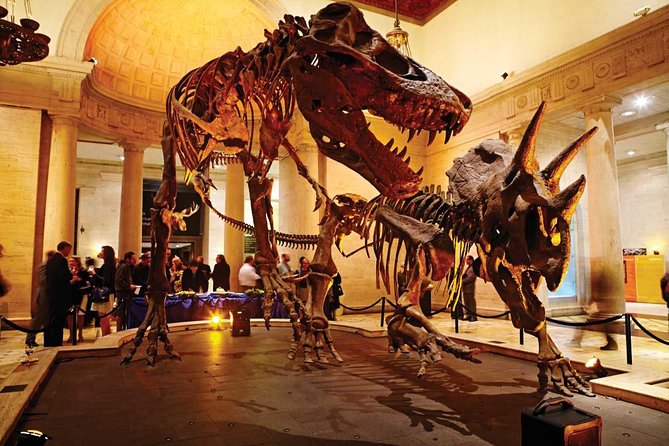
This admission ticket is priced at $18 per person, and it’s set up for a “hit the highlights” visit. The time estimate of about 3 hours makes sense if you’re moving at a family pace and choosing a few key zones to go deep on. If you read everything and stop for every interactive spot, you could easily run longer.
You’ll start with the museum’s major anchors: dinosaurs and fossils, LA nature, and gems and minerals. Then you layer in evolution and local history through exhibits like the long story of life across millions of years and the shift from pueblo to sprawling metropolis. It’s not just a kid museum and it’s not just an adult museum. It’s designed so different ages can find something to grab onto.
For value, the key is what’s included. The ticket covers the Dino Hall, diorama-style areas, the Gem & Mineral Hall, Nature Gardens, and Nature Lab. That means you’re not paying extra just to reach the main wow-factor rooms.
You can also read our reviews of more historical tours in Los Angeles



Dinosaur Hall and the T. rex Growth Series
If dinosaurs are your reason for coming, this is the zone. The museum doesn’t treat dinosaurs like a single display. You get multiple angles: fossils, skeletons, and a special look at how scientists think about dinosaur biology over time.
In the Dinosaur Hall, expect a heavy fossil presence, including 300+ fossils and 20 complete skeletons. There’s also a virtual or simulation-style excavation experience tied to fossils, which is the kind of activity that keeps kids engaged without requiring you to do extra work.
The standout science detail is the world’s only T. rex growth series. Instead of seeing one giant T. rex and calling it a day, you can track how the animal grew. That’s a small but meaningful educational upgrade because it shows how paleontology works: scientists don’t just collect bones; they interpret change across life stages.
Near the dinosaur displays, you’ll also find the Dino Lab area, described as a behind-the-scenes look at paleontologists. Even if you only skim the sections, it gives you that practical feel for how research turns into museum exhibits.
Timing tip for dinosaur lovers
Go here first. Once you’ve done the core dinosaur rooms, you’ll be able to choose whether you want to add show time later (more on that in the add-ons section). Going early also helps you avoid the later rush that can form after lunch.
Evolution Galleries: 65 Million Years, Many Specimens
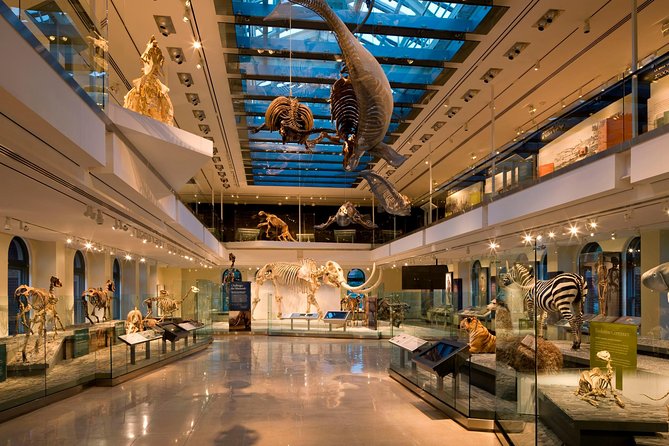
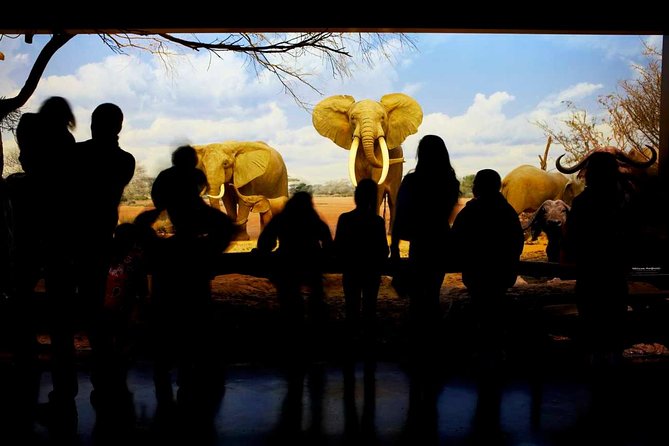
After dinosaurs, the museum shifts your brain into a longer time scale. The evolution exhibits frame life across 65 million years, using 240+ specimens, skeletons, and dioramas.
This is where the museum becomes good for both “I love animals” kids and adults who like science explanations. The design uses physical specimens and animal dioramas to tell stories that are harder to get from a screen. You’ll see animal displays that connect locations and ecosystems, with examples that include mammoths and whales.
What makes this section valuable is the way it helps you notice patterns. If you’re traveling with mixed ages, this is a natural meeting point: kids can focus on the big skeleton shapes, while older visitors can focus on the evolution logic connecting those shapes to survival and adaptation.
If you’re short on time, don’t try to “do it all.” Pick a couple of centerpiece displays, then loop back only if you still have energy.
Becoming Los Angeles and the LA Nature Angle
One of the smartest parts of this museum visit is that it doesn’t stop at the distant past. It brings the story forward to Los Angeles today, especially through native plants and animals.
In the Becoming Los Angeles exhibit, you learn how LA went from a pueblo to a sprawling metropolis. This isn’t just trivia. It frames why “nature in LA” looks the way it does now, shaped by development, climate, and human choices.
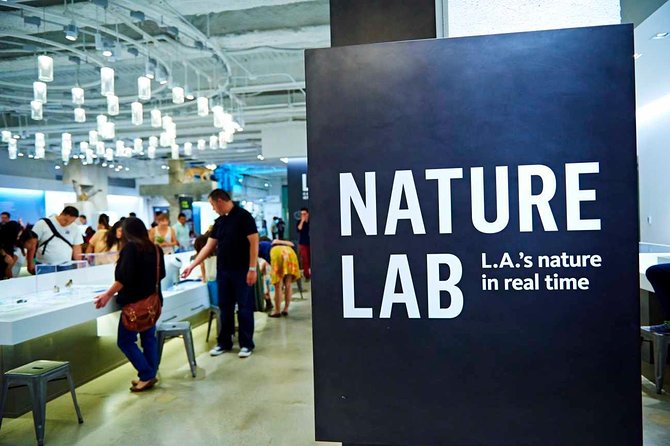
Then you get practical and hands-on learning with the Nature Gardens and Nature Lab:
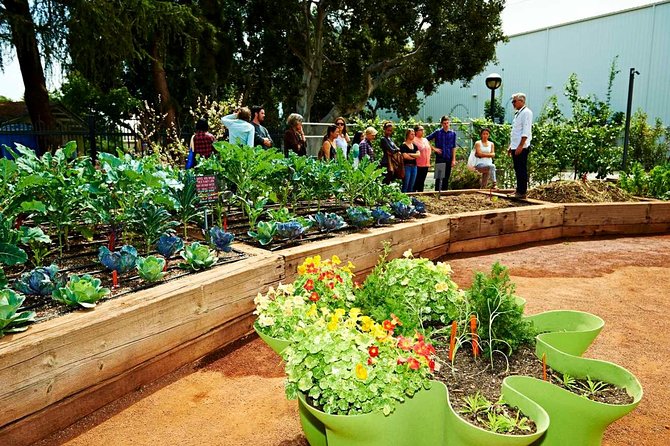
- Nature Gardens focuses on native plant specimens.
- Nature Lab is where you can check out native LA creatures.
This LA-specific emphasis is great for families because it makes the museum feel local. It also helps visitors connect the dots between “science museum” and “our backyard.”
If you have kids who ask a lot of questions, this section tends to pay off because kids can often relate native animals and plants to what they’ve seen (or think they’ve seen) around town.
You can also read our reviews of more museum experiences in Los Angeles




Gems and Minerals Hall: Why This Room Feels Like Magic
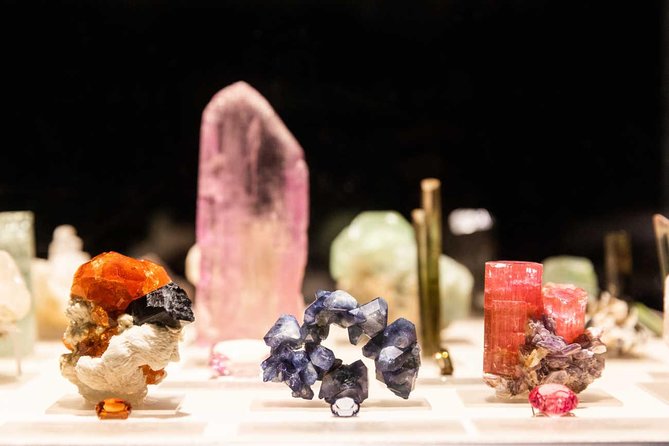
The Gem and Mineral Hall is where the museum turns sparkle into education. The scale is huge: 2,000+ individual specimens, including diamond, ruby, sapphire, and gemstone pieces. There’s also a vault-style display described as featuring diamonds, rubies, sapphires, and gold.
It’s easy to treat this as pure wow-factor. But the hall is more useful than it looks because it trains your eye. You start noticing differences in color, cut, and structure, and you can connect those visuals to how minerals form.
For families, this room is also a sanity saver. Kids who get tired of reading about dinosaurs still have something to do: watch, compare, point, and ask. Adults tend to enjoy the quiet focus too, because the rooms naturally slow you down.
A practical note: gems rooms are bright and glassy. If you’re taking photos, expect glare. Adjust your angle and don’t spend too long getting the perfect shot—you’ll lose momentum in a museum this big.
Planning Your Day: Hours, Crowds, Parking, and Food
The museum’s hours are 9:30 AM to 5:00 PM, Monday through Sunday. For a ticket that’s meant for about 3 hours, you can plan a calm visit by aiming for an earlier entry. Many visitors find the museum gets busier after lunch, so starting earlier gives you better room to roam.
Crowds can also come from school groups. That can mean hallways and popular displays get crowded, even if the museum overall doesn’t feel packed. If you want the best chance at seeing exhibits without constant shoulder-to-shoulder traffic, go before the midday surge.
Parking and getting there
Parking can be a challenge. Some visitors report steep parking prices and longer walks from parking areas, sometimes linked to construction or events nearby. The museum is near public transportation, and that’s not a throwaway detail. If you want a low-stress visit, plan to use transit when you can, or at least double-check parking options on the day you go.
Food strategy
Food options exist, but the museum involves a lot of walking. I’d plan on either grabbing something simple inside or bringing your own snacks so you don’t get stuck hunting when energy drops. If you do buy food, factor in that lunch lines can eat time, especially when the museum is busy.
Add-On Choices: Dinosaur Encounters and the Fierce! Cats Exhibit
Two add-ons can shape your visit plan.
Dinosaur Encounters show (not included)
The Dinosaur Encounters show isn’t included in the admission ticket. Add-on tickets are available on site when you arrive. If your group loves dinosaurs, this show can be worth it, but it’s also a time commitment. If you’re tight on time, only add it if you know you’ll still have energy for the rest of the museum after.
Fierce! The Story of Cats (separate ticket)
From July 13, 2025 to February 18, 2026, the museum features Fierce! The Story of Cats. It’s described as a hands-on, face-to-face experience. However, it requires a separate ticket purchased on site.
This matters for your budgeting. You can keep your visit simple with the included galleries, then add cats only if you have the interest and the time.
How Long Should You Stay?
The ticket is timed like a 3-hour “greatest hits” visit, and that’s a good match for many families. In practice, you’ll probably want to:
1) Start with dinosaurs, because that’s the engine of the visit
2) Move into either evolution or LA nature next, depending on your kids’ interests
3) Finish with gems/minerals if you want a visually satisfying closer
If your group loves to read, watch, and repeat interactions, plan for longer. Some people feel two days would be more comfortable, but you don’t need that to have a great first visit.
Should You Book This Natural History Museum Admission Ticket?
I think this ticket is a strong choice if you want value and variety in one place. For $18, you get access to the museum’s biggest “decision-making zones”: Dinosaur Hall, Nature Lab/Gardens, and the Gem and Mineral Hall. That mix is ideal for groups with mixed ages and mixed interests.
I’d reconsider if you’re trying to spend the whole day and want scheduled shows included by default. Also, if you hate walking and parking stress, plan ahead for getting there, because this museum is built for roaming and the parking situation can be annoying.
If you book, aim to arrive earlier, prioritize dinosaurs first, and bring a small snack plan. That combo helps you see the best parts without rushing your way through the science.
FAQ
What is included in the Natural History Museum of Los Angeles County admission ticket?
The ticket includes Dino Hall, diorama halls, Gem & Mineral Hall, Nature Gardens, and Nature Lab.
What is not included with the admission ticket?
The Dinosaur Encounters show is not included, and the Fierce! The Story of Cats exhibit requires a separate add-on ticket.
How long should I plan to visit?
The experience is listed at about 3 hours (approx.).
What are the museum hours?
The museum is open 9:30 AM to 5:00 PM, Monday through Sunday.
Is this ticket mobile?
Yes, it’s a mobile ticket.
Can I cancel for free?
Yes. You can cancel up to 24 hours in advance for a full refund.
Is there a limit on the number of people per booking?
Yes. The maximum is 9 people per booking.