REVIEW · LOS ANGELES
Downtown Los Angeles: Culture and Arts Walking Tour
Book on GetYourGuide →Operated by ExperienceFirst California · Bookable on GetYourGuide
Downtown LA tells stories fast. In just two hours, you connect public transportation drama, big-name architecture, and Spanish-era origins into one walkable loop. I especially like how the tour makes LA’s usual traffic headache part of the story, not the whole story.
I also love the architecture sprint: you’ll see places like Union Station and the Bradbury Building up close, with context for what changed over time. One thing to plan for: it’s a walking tour with a tight time window, so you’ll want comfortable shoes and no big bags.
In This Review
- Key takeaways before you go
- Why a 2-hour Downtown LA walk is the right pace
- Public transportation history: cars vs the metro (and the original Red Line)
- Architecture stop run: Last Bookstore, The Bradbury, Grand Central Market
- Art and symphonies on Grand Avenue: Disney Concert Hall and The Broad area
- Civic Center and city legends: Tom Bradley and William Parker
- Olvera Street: the oldest block and the Spanish Empire connection
- Union Station at the finish: mission revival meets Art Deco
- How much is it worth at $39?
- Who this tour suits (and who should pass)
- Guides who keep it clear and moving
- Should you book this Downtown LA tour?
- FAQ
- Where does the tour start?
- Where does the tour end?
- How long is the Downtown Los Angeles walking tour?
- How much does the tour cost?
- Is the tour guided, and what language is it in?
- Are meals, drinks, or museum entrance fees included?
- What should I bring?
- Is luggage or a large bag allowed?
- FAQ
- What is the cancellation policy?
- Can I reserve now and pay later?
- Is there free cancellation available?
- Is the tour only for English speakers?
- What if I want to take breaks for food?
Key takeaways before you go
- Transit history that explains the car obsession: you’ll hear why mass transit struggled, including the demise of the original Red Line.
- A quick hands-on moment with Angels Flight: later in the tour, you’ll experience it for yourself.
- Classic DTLA stops you can’t fully grasp from photos: The Last Bookstore, The Bradbury Building, and Grand Central Market.
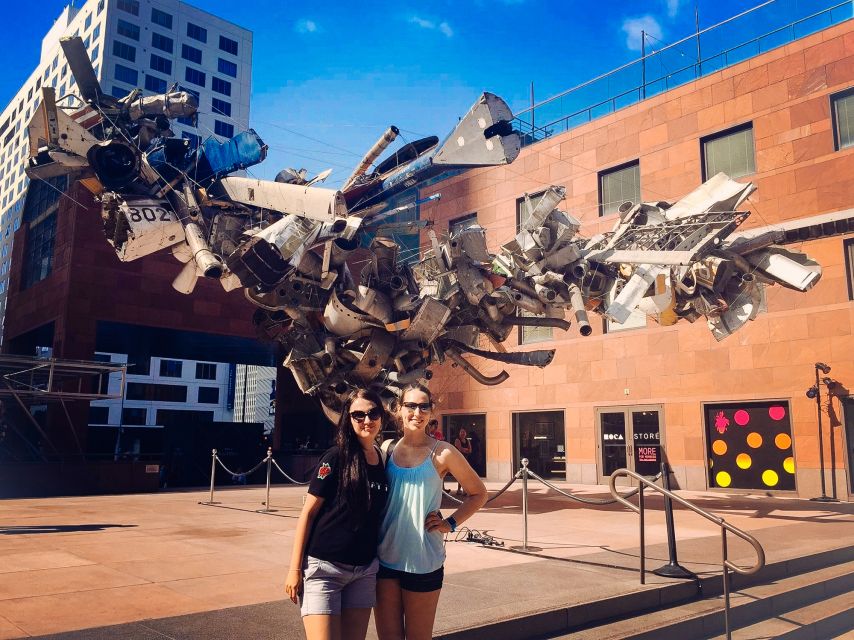
- Art and music around Grand Avenue/Grand Street institutions: Walt Disney Concert Hall, the Music Pavilion, MOCA, and The Broad.
- Real people behind big city decisions: Tom Bradley and William Parker come up in the Civic Center area.
- Olvera Street’s Spanish roots and the city’s name: this is where downtown history turns personal.
Why a 2-hour Downtown LA walk is the right pace
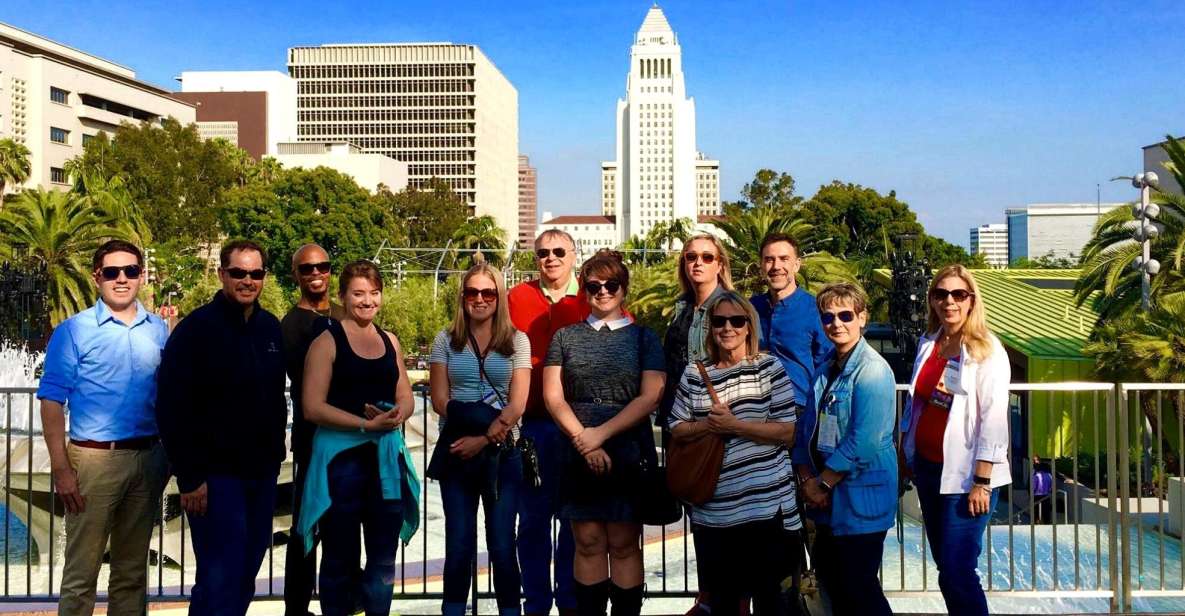
This tour is built for people who want the highlights without burning half a day in traffic or piecing together stops on your own. Two hours sounds short until you realize Downtown Los Angeles is dense: you can move from transit debates to major architecture to cultural landmarks in a compact route.
I like that the tour doesn’t treat downtown as one big blur of buildings. Instead, it gives you a through-line: how LA went from Spanish-influenced settlement roots, to early growth, to the rise (and reshaping) of modern downtown—and how those shifts show up on the sidewalks today.
You’ll also get a guide-led rhythm that matters in a place this busy. The tour is sightseeing with walking, plus passing by key sites, so you’re not stuck only standing in front of things. Wear comfortable shoes and be ready to keep moving.
You can also read our reviews of more walking tours in Los Angeles


Public transportation history: cars vs the metro (and the original Red Line)
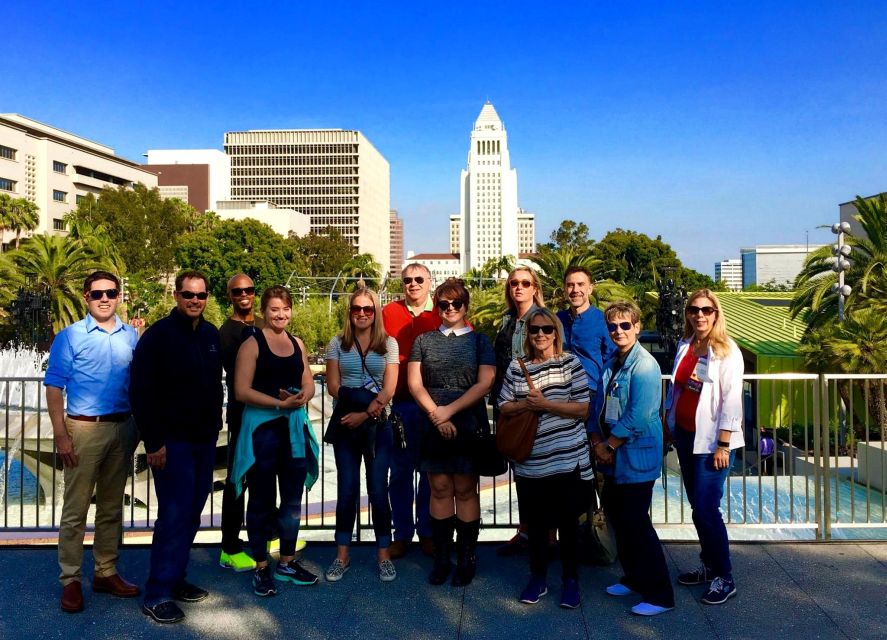
The tour starts by reframing LA traffic. Yes, you’ll hear about the struggle between mass transit and car culture, but the point is deeper than a complaint. You get context for why LA’s transit story is complicated—and why it still affects how people move and where downtown thrives.
You’ll learn about the history of public transportation in LA and the tension that shaped it over the years. A big theme is the demise of the original Red Line. That detail helps you connect what you might have seen on maps or in older travel info with what exists now.
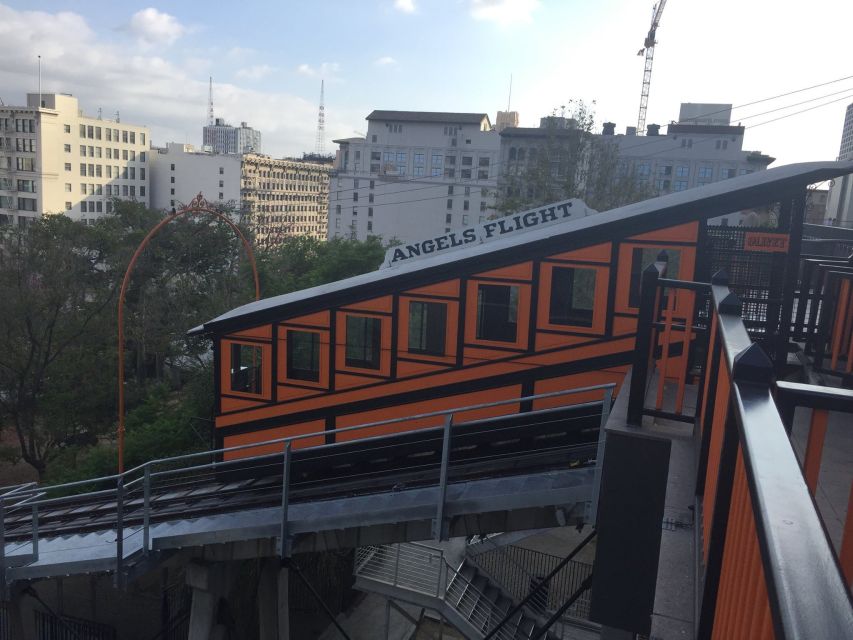
Then comes the practical payoff: later in the tour, you hop on Angels Flight and experience a famous downtown connector firsthand. Even if you’re not a transit nerd, you’ll get why locals talk about this little railway like it’s part of the city’s personality. It’s an easy way to turn “history” into something you actually feel while you ride.
Tip: If you’re the type who always wants to understand how a place works, this first segment will hit hard—in a good way. LA usually gets explained as chaos. This explains the systems behind the chaos.
Architecture stop run: Last Bookstore, The Bradbury, Grand Central Market
After the transit opener, the tour shifts into pure downtown texture—old and new LA living side by side.
The Last Bookstore is the kind of place you can wander in even if you’re not shopping. On a tour like this, it works as more than a stop: it’s a clue about how creative businesses and book culture found space in downtown. You get the sense that downtown isn’t only about offices and museums; it’s also about where people browse, meet, and spend time.
Then you hit The Bradbury Building, one of those LA structures that people recognize instantly once they see it. The tour frames it as a defining piece of downtown’s architectural identity. The value here is explanation: you’re not just looking at a facade, you’re learning what made buildings like this matter as the city evolved.
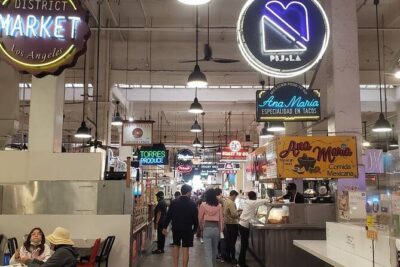
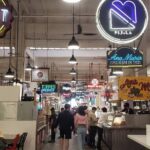
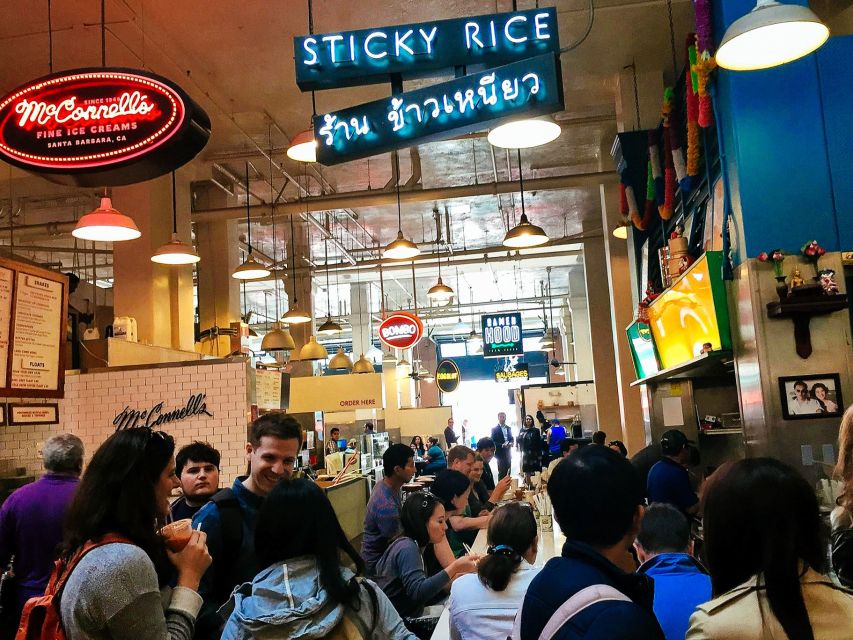
Next up is Grand Central Market. Food and atmosphere are front and center here, and the tour uses it as a real downtown anchor—exactly the kind of location where locals and visitors cross paths. You’ll be able to connect it to the broader cultural map of the city, not just treat it as a place to grab a bite.
Practical note: meals aren’t included, so this is a smart place to plan your own food break. If you eat during the tour, keep it simple so you don’t lag behind the group.
Art and symphonies on Grand Avenue: Disney Concert Hall and The Broad area
Downtown art in LA can feel spread out. This tour solves that problem by walking the cluster along the grand arts corridor, where institutions line up close enough to feel like one cultural district.
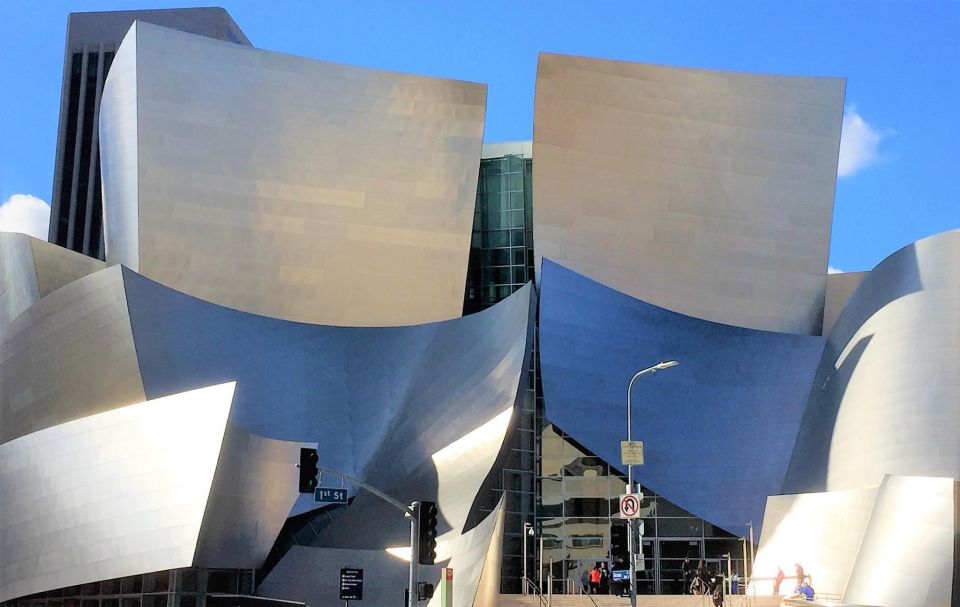
You’ll see the Walt Disney Concert Hall and the Music Pavilion, plus major museums including MOCA and The Broad. The tour’s approach is useful: it doesn’t just name-drop. You learn how these venues fit into downtown’s role as a place for world-renowned symphonies and art.
If you’ve only seen these buildings from afar, the scale and design details land differently in person. That’s the real value of doing it as a guided walk: you notice things you’d likely miss alone, and you leave with a “why this matters” story instead of a photo dump.
You’ll also pass other cultural stops along the way, which helps you build a mental map. Later, when you’re looking at your own itinerary, you’ll know where the art concentration starts and where it fades.
One consideration: if you’re the type who wants long indoor time in museums, this is not that tour. It’s focused on external seeing, context, and walking movement—great for orientation, less great for deep ticketed museum visits.
Civic Center and city legends: Tom Bradley and William Parker
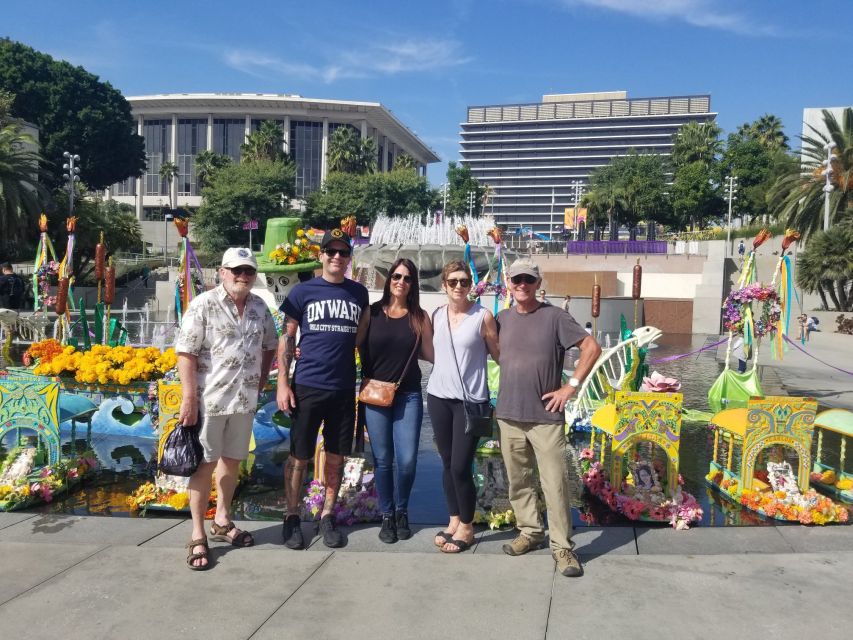
The Civic Center area is where downtown feels like governance—not entertainment. This is where you learn about administrative functions that help bring order to a sprawling city.
It’s also where the stories add human shape to big institutions. You’ll hear local legends involving former Mayor Tom Bradley and retired police chief William Parker. These names matter because they show how leadership and public safety stories get tied to downtown’s evolution.
I like this section because it adds balance. Downtown LA isn’t only about pretty buildings and trendy neighborhoods. It’s also about what keeps the machinery running and what leadership can change.
Drawback to keep in mind: Civic Center stops tend to be more information-heavy. If you’re tired from walking, you might need a short moment to reset your energy before continuing.
Olvera Street: the oldest block and the Spanish Empire connection
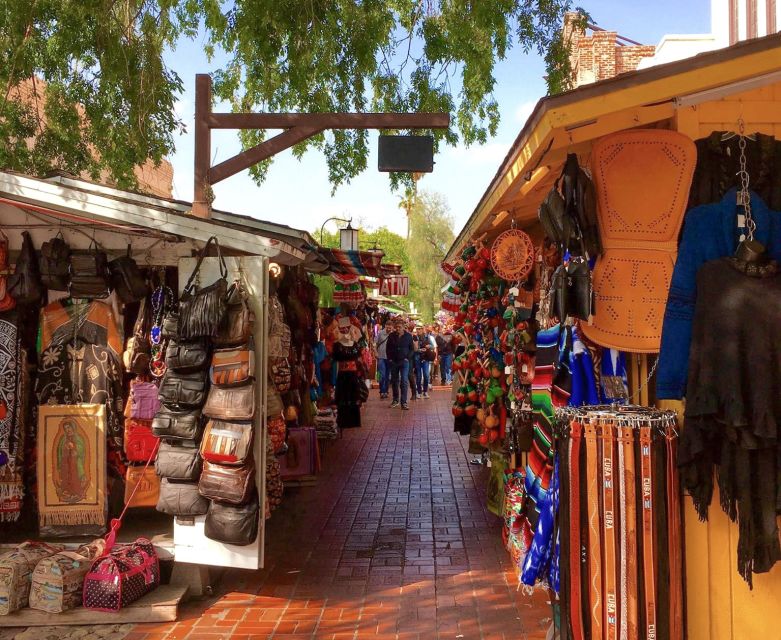
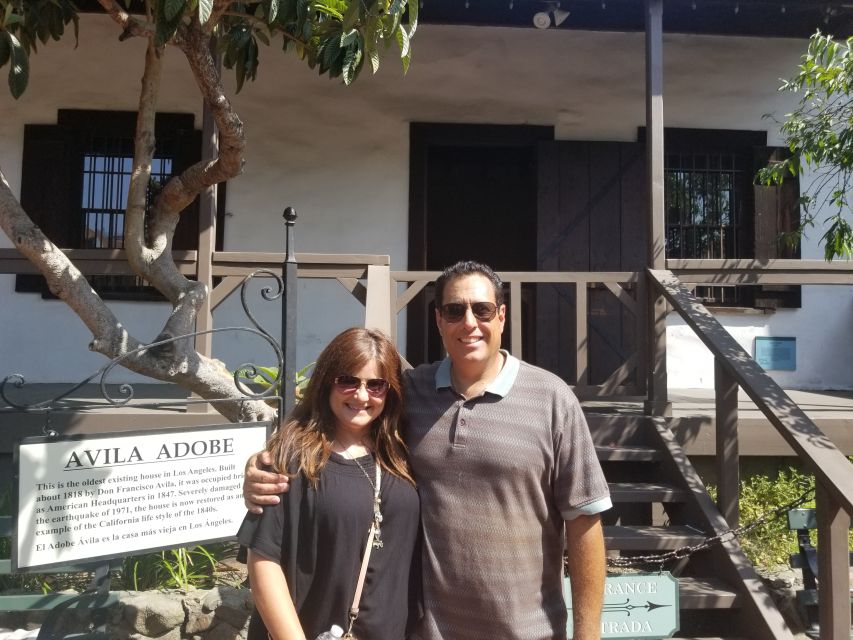
Olvera Street is the part of the tour where history turns into everyday street life. You’ll learn it’s the oldest street in Los Angeles, and you’ll get firsthand flavor of what pueblo life in LA was like.
The tour connects the city’s namesake to the story of how LA developed. You’ll also learn how the Spanish Empire helped shape the city over time. This is the kind of context that changes how you read the streets: suddenly, the architecture and cultural cues are tied to names, eras, and power shifts—not just decoration.
This section also works well emotionally. Downtown can feel like a modern machine. Olvera Street reminds you the machine was built on earlier foundations, and that people have been living, trading, and adapting in this area for generations.
If you’re visiting LA for the first time, this stop gives you a grounding. If you’ve been before, it often gives you a new lens—because you’re not just seeing the surface of a tourist street. You’re hearing why it exists.
Union Station at the finish: mission revival meets Art Deco
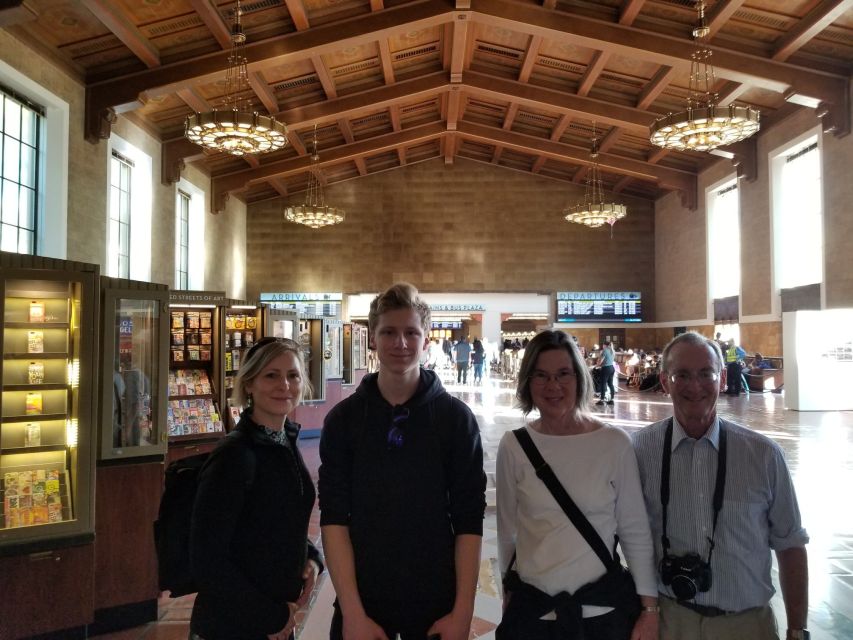
The last stop is Union Station, and it’s a strong closer. The building blends mission revival character with Art Deco styling, which is exactly the kind of combo that makes LA architecture feel like it’s constantly remixing itself.
The tour highlights the station’s history as a major transit hub officially known as the Grand Central of the West. That name is a clue: downtown rail wasn’t only transportation—it was ambition. Union Station became a statement of how LA wanted to be seen and how it wanted to grow.
This is also where the gentrification stories come into focus. You’ll hear how downtown has changed dramatically in recent years and how that shift affects the look and feel of the area. Union Station helps anchor that conversation because it’s both historic and still in use, so you can see past and present share the same space.
Practical tip: by the time you reach the finish near 800 Alameda St, you’ll have enough context to decide what to do next—whether you head back toward your hotel area, continue exploring art stops you liked most, or grab food near Grand Central Market if you skipped it earlier.
How much is it worth at $39?
At $39 per person for a two-hour guided walking tour, the value comes from three things: guide-led context, route efficiency, and concentration of iconic stops.
You’re paying for more than movement between landmarks. A good guide turns LA’s scattered history into an order you can remember: Spanish-era roots, transportation decisions, architecture changes, civic leadership, and neighborhood shifts. That’s the kind of learning that’s hard to replicate if you DIY without already knowing what to look for.
The route also saves you planning time. Stops like The Last Bookstore, The Bradbury Building, Grand Central Market, major Grand Street institutions, Olvera Street, and Union Station are too many to string together casually unless you’re already confident navigating downtown on foot.
One more value point: meals and museum entrance fees aren’t included, so the price stays focused on guiding and seeing. If you time a snack or meal break well, this becomes an efficient morning or early afternoon activity rather than an extra costly day.
Who this tour suits (and who should pass)
This is a great fit if you want downtown orientation with real stories. I’d especially recommend it if you:
- like architecture but want explanations that make it make sense
- want to understand LA beyond traffic by learning about transit history
- enjoy mixing culture and city history in one outing
- are visiting with teenagers or friends who can get bored by pure museum time
It may not be the best fit if you:
- hate walking for long stretches
- want a museum-heavy schedule with long indoor stays
- expect transportation ticket upgrades beyond what the tour mentions
Guides who keep it clear and moving
A big part of what makes this tour work is the guide. Names that come up strongly include Paul, Chris, Sam, Matt, and Phil, with praise focused on being friendly, explaining DTLA history clearly, and keeping the pace tight for a full two hours.
If you’ve ever done a walking tour that wanders, you’ll feel the difference here. The tour aims to cover a lot while staying understandable—so you don’t leave with fifty photos and no story.
Should you book this Downtown LA tour?
Book it if you want the downtown big picture fast, with enough stops that you can build your own LA plan afterward. For $39 and a two-hour walk, you get a guided map of how transit, architecture, civic life, and neighborhood change all connect.
Skip it if your priority is long museum time or quiet off-the-beaten-path exploring. This tour is for seeing, learning, and moving—then using what you learned to decide what to do next in LA.
If you do book, bring comfortable shoes and keep your bag situation simple. You’ll enjoy the walk more, and you won’t be the person slowing the group down at the places everyone came to see.
FAQ
Where does the tour start?
It starts at 541 S Spring St, Los Angeles, CA 90013, outside of the Spring Arcade building.
Where does the tour end?
The tour finishes at 800 Alameda St, Los Angeles, CA 90012.
How long is the Downtown Los Angeles walking tour?
The tour duration is 2 hours.
How much does the tour cost?
The price is $39 per person.
Is the tour guided, and what language is it in?
Yes, it includes a professional English-speaking guide.
Are meals, drinks, or museum entrance fees included?
No. Meals, drinks, and entrance fees to museums are not included.
What should I bring?
Bring comfortable shoes.
Is luggage or a large bag allowed?
No luggage or large bags are allowed.
FAQ
What is the cancellation policy?
You can cancel up to 24 hours in advance for a full refund.
Can I reserve now and pay later?
Yes. You can reserve a spot and pay nothing today.
Is there free cancellation available?
Free cancellation is available as long as you cancel at least 24 hours in advance for a full refund.
Is the tour only for English speakers?
The tour is provided in English.
What if I want to take breaks for food?
The tour does not include meals, so you can plan your own food break during downtime at stops like Grand Central Market.