REVIEW · LOS ANGELES
Downtown Los Angeles History and Architecture Walking Tour
Book on Viator →Bookable on Viator
DTLA reads like a screenplay. This Downtown Los Angeles History and Architecture Walking Tour uses architecture and film history to help the streets actually make sense, with a guide who brings maps and historical photos. The main catch: you’ll walk a lot, and downtown noise can make details harder to catch if you’re not close to the front.
You’ll cover major landmarks and “how did they build that?” moments in about 2 hours 30 minutes for $35. It’s a small group (max 15), designed for questions, and it ends at Hotel Per La, a former Bank of Italy building turned boutique stay.
In This Review
- Key takeaways before you go
- Turning DTLA Architecture Into a Story You Can Walk
- Meeting at Grand Central Market and the 2.5-Hour Pace That Works
- Grand Central Market to Pershing Square: Food, Rails, and Civic Space
- Broadway Movie Palaces: The Historic Theater District in Plain Sight
- Bradbury Building and the Old Bank District: When Architecture Has a Plot
- The Last Bookstore, the Arcade Building, and Clifton’s Cafeteria
- Apple Tower Theatre: When the Past Gets a New Screen
- Jewelry District to Fashion District: Design as an Industry
- Hotel Per La and the End of the Walk: Architecture You Can Stay In
- Value Check: Why $35 Feels Fair for This Route
- Who This Tour Fits Best (and Who Might Want Another Option)
- Final Call: Should You Book This Downtown Los Angeles Tour?
- FAQ
- How long is the Downtown Los Angeles History and Architecture Walking Tour?
- How much does the tour cost?
- What group size should I expect?
- What language is the tour offered in?
- Where does the tour start and where does it end?
- Is public transportation nearby?
- Do I need to buy entry tickets at the stops?
- Is there a recommended fitness level?
- What happens if the weather is bad?
- Is cancellation free?
Key takeaways before you go
- Film history you can see in the architecture as you move from Broadway theaters to iconic interiors
- Historical photos and maps that help you compare what you’re looking at with what used to be there
- A story-driven approach (space, design, and reuse) instead of a memorizing-the-facts lecture
- Adaptive reuse around every corner, from early movie palaces to a modern flagship store
- DTLA’s commercial rise and social change shown through civic squares, finance blocks, and market streets
- Small-group Q&A that keeps the walk from turning into a one-way talk
Turning DTLA Architecture Into a Story You Can Walk
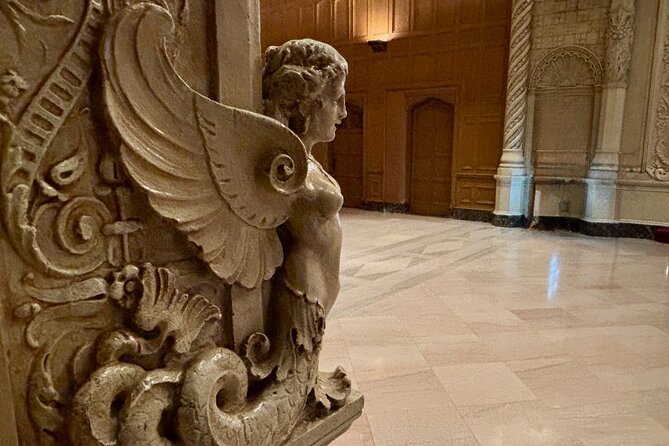
Downtown Los Angeles has a habit of looking modern from one angle, then flipping you to the past five seconds later. This tour leans into that. You’re not just standing and staring at pretty facades. You’re learning how buildings and public spaces shaped film, commerce, and daily life.
What I like most is the way the guide connects design choices to real-world outcomes: who built what, why it mattered, and how the area transformed. Another strong point is the emphasis on film history alongside architecture, so landmarks like the movie palaces don’t feel like random sightseeing—they feel like the operating system of Hollywood.
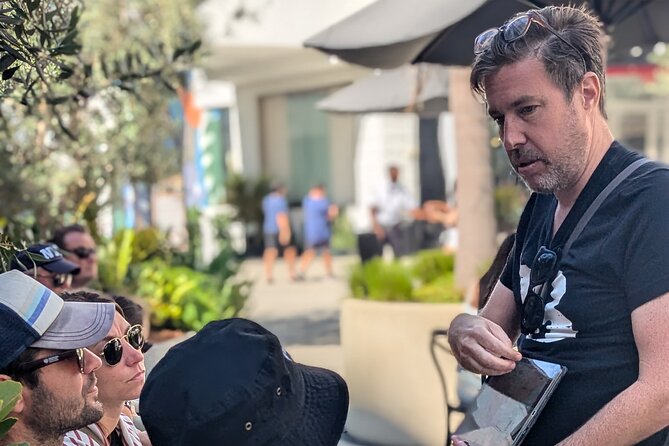
The tour is also small enough that you can ask follow-up questions. That matters in a city where one block can change the whole vibe, and where architecture is often better understood with context than with a list of dates.
You can also read our reviews of more walking tours in Los Angeles


Meeting at Grand Central Market and the 2.5-Hour Pace That Works
The walk starts at Grand Central Market Parking Garage (308 S Hill St) and finishes at Hotel Per La (649 S Olive St). The endpoint is close to the 7th Street / Metro Center station (Metro lines A/B/D/E), which is handy when you want an easy ride afterward.
The total time is about 2 hours 30 minutes, and the tour expects moderate physical fitness. “Moderate” here basically means you should be comfortable with a steady walk. Some stops are short, but the whole route adds up.
Also note the sound reality of DTLA. One of the tradeoffs that comes up in feedback: the guide may avoid a microphone because it can add more street noise. If you’re hard of hearing, you’ll want to stay near the front and ask for clarifications when you can.
Grand Central Market to Pershing Square: Food, Rails, and Civic Space
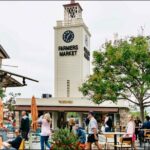
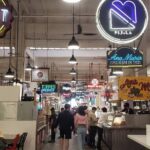
This route kicks off at Grand Central Market, established in 1917. It’s a food hall that functions like a local map of immigration and influence: Mexican tacos, Japanese ramen, Salvadoran pupusas, and Jewish pastrami sit side by side. The point isn’t just the meal. It’s the idea that downtown has long been where communities overlap.
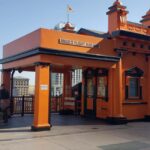
Next comes Angels Flight, often described as the world’s shortest railway. Built in 1901, it’s a funicular connecting the Bunker Hill area—an old-school solution to a steep urban problem. It’s brief, but it’s the kind of “wait, this is still here?” moment that makes you look at the neighborhood differently.
From there, you pass Pershing Square, once the center of civic life and today a public space shaped by modern urban pressures. You’ll talk about what happens when open gathering spaces are managed, privatized, or reimagined—and what that means for everyday people.
Then the walk shifts upward, via the iconic steps associated with Bunker Hill. These steps act like a physical metaphor for LA’s climb: the neighborhood moved from residential wealth into cultural and financial dominance, and the built environment tells that story in layers.
Broadway Movie Palaces: The Historic Theater District in Plain Sight
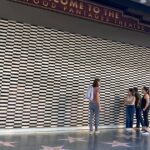
Broadway’s Historic Theater District is a film-lover’s dream with architecture as the star. The area is known for the world’s largest concentration of movie palaces, and the tour helps you read them as a group rather than separate buildings.
You’ll also hear how these theaters changed moviegoing. Early theaters weren’t just places to watch films; they were meant to stage the whole event. That shift is part of why the movie palace era mattered globally.
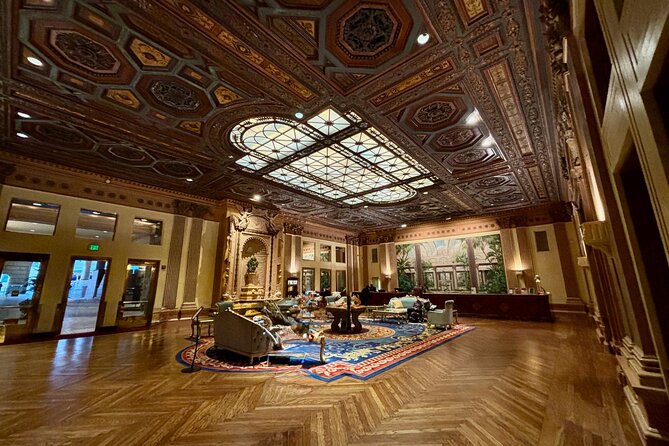
A specific standout covered on the route is Sid Grauman’s Million Dollar Theater. It’s tied to Hollywood’s early rise, with lavish design and an approach to cinema that influenced how the world experienced movies. Even if you’re not a hardcore film history person, this stop gives you a better reason to care about the building’s ornamentation.
Bradbury Building and the Old Bank District: When Architecture Has a Plot
Two big architecture anchors sit close together here, and the guide uses that closeness to create momentum.
First: the Bradbury Building. Its open atrium, wrought-iron staircases, and unusual light make it feel almost unreal. It’s the kind of place that shows why architecture became a film-friendly ingredient. You can see how cinematographers would love that geometry and atmosphere.
Then you move into the Old Bank District area along Spring Street, often described as the Wall Street of the West. The Beaux-Arts buildings echo older finance districts in their ambition and scale, and you get a clear sense of how downtown’s image was built around money, trust, and progress.
You also see a key early skyscraper moment: the Continental Building, completed in 1904. It’s one of LA’s first high-rises and offers a look at how Beaux-Arts grandeur translated into an American west-coast context.
Another photo-friendly stop is the El Dorado Lofts, originally a luxury hotel built in 1913. The building’s terra cotta exterior and Art Deco plus Art Nouveau styling connects LA’s boom years to a wider international movement. You’ll get the sense that downtown was always in conversation with the rest of the world.
You can also read our reviews of more historical tours in Los Angeles


The Last Bookstore, the Arcade Building, and Clifton’s Cafeteria
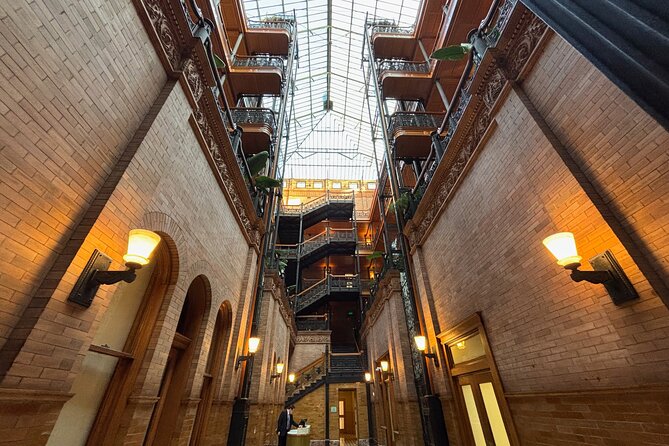
This is where the tour shifts from “big architecture” to “daily-life architecture”—the sort of place you might not plan to visit, but end up remembering.
The Last Bookstore is part library, part art installation. Opened in 2005, it’s famous for its book tunnel and floor-to-ceiling shelves. But beyond the Instagram wall, it’s also a destination for rare books, vinyl records, and local art. It’s a reminder that downtown culture isn’t only in official landmark buildings.
Next: the Arcade Building. Completed in 1924, it ties to LA’s radio era, when studios and offices helped shape modern entertainment. Today it’s a mix of shops and eateries, so the building feels like a time capsule you can walk through.
Then comes Clifton’s, originally Clifton’s Cafeteria founded in 1931. It’s noted for offering free meals to people in need during the Great Depression. The modern space keeps the playful, themed approach while nodding to the original charitable spirit—part history lesson, part weirdly wonderful dinner plan.
Apple Tower Theatre: When the Past Gets a New Screen
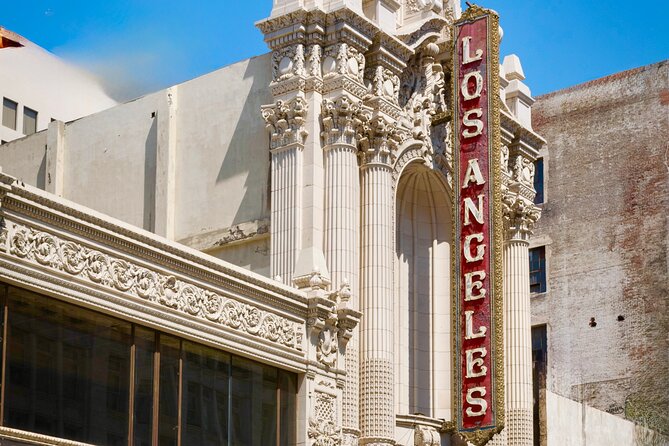
Downtown’s theater story keeps going with Apple Tower Theatre (the Tower Theatre). Built in 1927, it’s remembered as the first LA theater designed for talkies—films with synchronized sound. That matters because it marks the moment cinema changed from show-and-tell entertainment into the fully audio-visual experience we expect today.
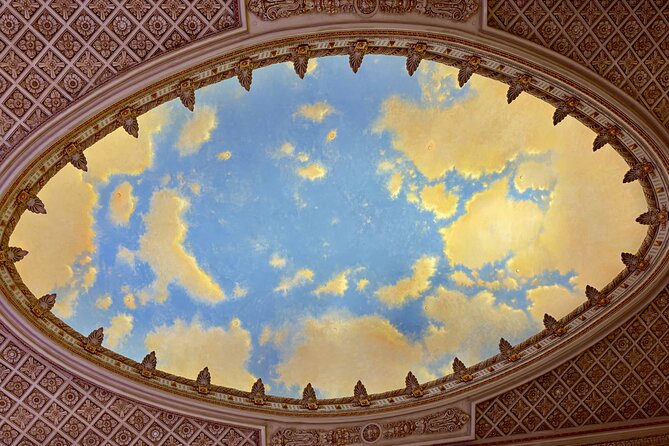
The theater’s Spanish Renaissance Revival style is dramatic: ornate interior details, stained glass, vaulted ceilings. The guide also connects the space to pop culture, including a famous Mulholland Drive scene filmed there.
What makes the stop especially useful is the modern chapter. Apple transformed the space into a flagship store, mixing technology with preserved historic character. You walk in and see how adaptive reuse can keep a building relevant without erasing its identity.
Jewelry District to Fashion District: Design as an Industry
Not all architecture is about government offices and movie palaces. Some of it is about trade.
The tour covers the Jewelry District, described as covering 12 blocks and the largest jewelry district in the U.S. Its roots go back to the 1920s, and you get a sense that it’s more than window displays. It’s craftsmanship, entrepreneurship, and connections to a global supply chain.
You’ll also pass through the Fashion District, which the tour frames as a design-engine area rather than a pure luxury promenade. Think textiles, streetwear creativity, and a working culture that feeds trends outward.
One memorable building here is the Eastern Columbia Lofts, built in 1930 with turquoise terracotta tiles and a clock tower. It’s often compared to New York’s Chrysler Building in spirit, and the guide adds a layer of celebrity intrigue through notable residents.
Hotel Per La and the End of the Walk: Architecture You Can Stay In
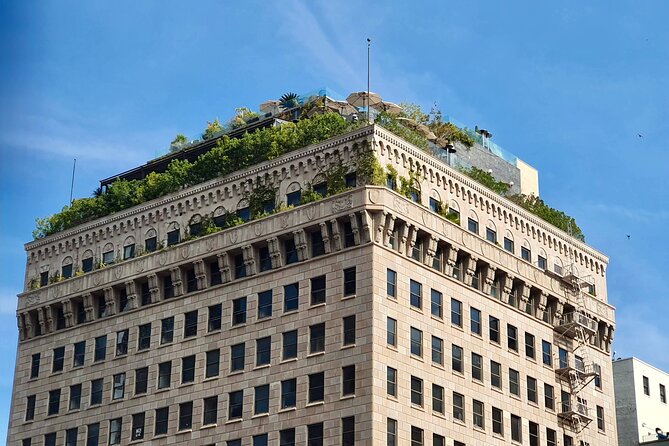
The tour ends at Hotel Per La, a boutique property now using a former Bank of Italy building. The structure began as a 1920s landmark tied to Italian immigrant aspirations and later became Bank of America’s West Coast headquarters, so the building’s story isn’t just about architecture—it’s about migration, finance, and status.
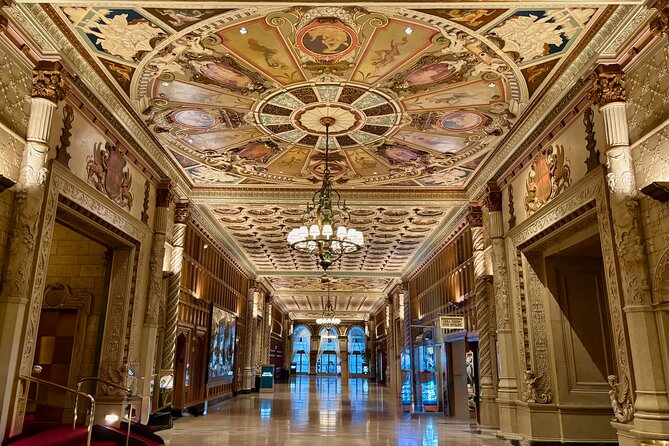
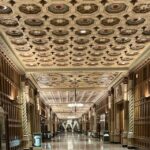
Inside, the guide points you toward the restored grand elements like the gold ceiling and marble columns. The rooftop pool and art-filled interiors are modern touches, but the key takeaway is how a historic financial building can become a hospitality space without losing its architectural personality.
Finishing at a hotel also gives you a practical next step. You can rest, reset, and then pick up the Metro nearby if you want to explore more of downtown on your own.
Value Check: Why $35 Feels Fair for This Route
At $35 per person, this tour is reasonably priced for the amount of ground it covers. You get a local guide, a route through multiple major DTLA landmarks, and a format that stays interactive (not just a monologue).
Another value point: the stops listed on the walk have admission ticket free notes. That matters because it keeps you from spending extra money mid-tour just to see what you came for.
The small group size (max 15) is also part of the value. It changes the experience. You’re more likely to get your questions answered, and you can hear the guide better when you’re not buried in a crowd.
The one caveat is that the tour is still a walking tour. If you struggle with long stretches, you might feel rushed at photo points or during brief interior stops. For some people, that turns into the only real downside.
Who This Tour Fits Best (and Who Might Want Another Option)
This is a strong pick if you like architecture that has human reasons behind it: why a building exists, why it got built there, and how entertainment and industry shaped the streets.
It’s also ideal if you care about film history in a practical way. Instead of watching documentaries after your trip, you’ll connect film references to real buildings you can see and understand.
Families can go too. In feedback, the tour is described as including kids when possible, though the content leans more adult.
If you want a technical lecture with a heavy focus on architectural names, dates, and design jargon, you might find the style less satisfying. The tour is more about how spaces work in LA’s story than about turning history into a textbook.
Final Call: Should You Book This Downtown Los Angeles Tour?
Book it if you want a walk that connects DTLA’s architecture to how the city became a filmmaking and business center. It’s also worth your time if you like asking questions and prefer a guide who can explain what you’re looking at in everyday terms.
Consider other options if you’re sensitive to long walking, or if hearing a guide in a noisy downtown environment will be a problem for you. Also, if you’re expecting a strict architecture-only tour, this one blends film history, urban design, and city change as part of the core story.
FAQ
How long is the Downtown Los Angeles History and Architecture Walking Tour?
It runs about 2 hours 30 minutes.
How much does the tour cost?
The price is $35.00 per person.
What group size should I expect?
The tour has a maximum of 15 travelers.
What language is the tour offered in?
It’s offered in English.
Where does the tour start and where does it end?
It starts at Grand Central Market Parking Garage, 308 S Hill St, Los Angeles, CA 90013, and ends at Hotel Per La, 649 S Olive St, Los Angeles, CA 90014.
Is public transportation nearby?
Yes. The end point is one block from the Metro Station 7th Street / Metro Center (Metro lines A/B/D/E).
Do I need to buy entry tickets at the stops?
The itinerary includes admission ticket free notes for the listed stops.
Is there a recommended fitness level?
You should have a moderate physical fitness level.
What happens if the weather is bad?
This experience requires good weather. If it’s canceled due to poor weather, you’ll be offered a different date or a full refund.
Is cancellation free?
Yes, free cancellation is available up to 24 hours in advance for a full refund.