REVIEW · LOS ANGELES
Los Angeles: Academy Museum of Motion Pictures Ticket
Book on GetYourGuide →Operated by Eguide Pty Ltd · Bookable on GetYourGuide
Cinema history, told with real craft. The Academy Museum of Motion Pictures turns movie-making into something hands-on and human, and I like how smoothly it moves from big stories to specific details. Two wins for me: the Stories of Cinema experience, and the Dolby Family Terrace payoff with Hollywood Hills views.
The main thing to consider is lighting. A lot of the galleries are intentionally dark to protect screens and artifacts, and that can mean glare or harder-to-photograph exhibits.
In This Review
- Key Things to Know Before You Go
- Your First Stop: Winkler Welcome Center and the Wristband Check-in
- Price and Ticket Value: What $25 Really Buys You
- Three Levels Plus Level 4: How to Plan Your Route
- Stories of Cinema: Film as a Global, Creative Team Effort
- Significant Movies and Moviemakers: Casablanca, Boyz n the Hood, and Lourdes Portillo
- Dolby Family Terrace Views: A Real Break From Indoor Dark Rooms
- Fanny’s at the Museum: Lunch and Drinks Without Killing Your Budget
- The Museum Store: Oscars-Grade Souvenirs
- What’s Not Included: Screenings and the Oscars Experience
- Practical Tips: Dark Galleries, Photography Rules, and Timing
- Who This Ticket Is Best For (and Who Should Double-Check)
- Should You Book This Academy Museum Ticket?
- FAQ
- How much is the Academy Museum of Motion Pictures ticket?
- How long is the ticket valid?
- Where do I go to get my wristband?
- What’s included with this ticket?
- Are film screenings included?
- Is the Oscars® Experience included?
- Can I take photos with flash?
- Is Fanny’s food and drinks included?
- Do kids need a ticket?
Key Things to Know Before You Go
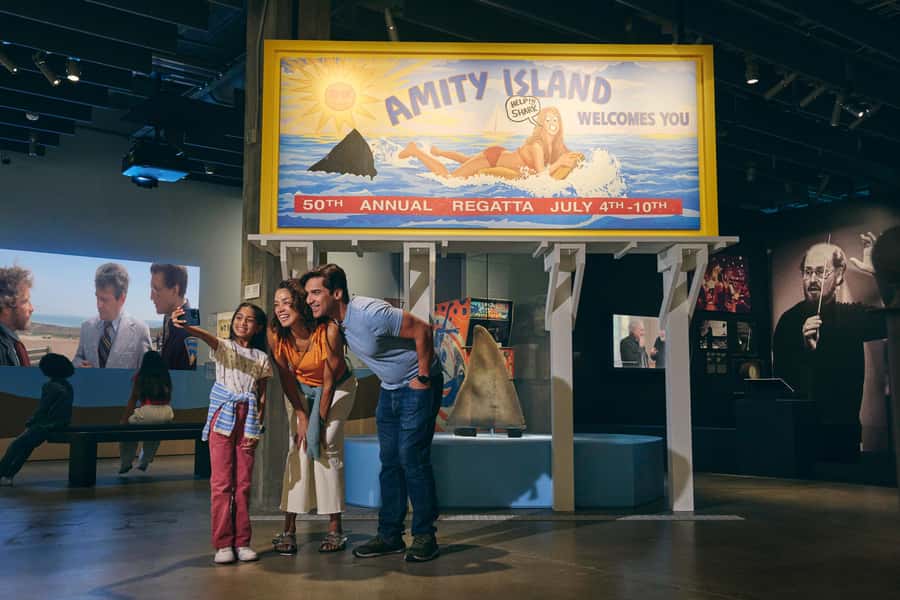
- Winkler Welcome Center wristband: your ticket gets converted into entry fast in the Sidney Poitier Grand Lobby.
- Multiple galleries included: core three-level access plus Stories of Cinema and special galleries.
- Level 4 temporary exhibition: you’re not limited to permanent displays only.
- Terrace views included: the Dolby Family Terrace is part of your ticket.
- Fanny’s on-site: full-service dining is an easy add-on, and there are options at different price points.
- Flash photography is banned: plan on seeing, not blasting photos.
Your First Stop: Winkler Welcome Center and the Wristband Check-in
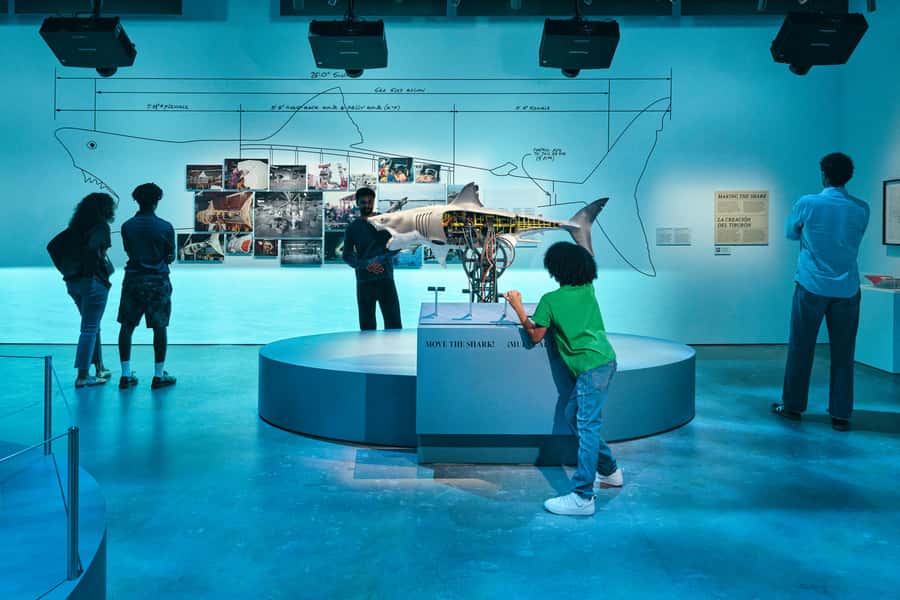
When you arrive, go straight to the Winkler Welcome Center in the Sidney Poitier Grand Lobby. You’ll show your ticket to a Visitor Experience Associate, and they’ll give you a wristband so you can flow through the museum.
This small step matters because it keeps everything moving. Instead of figuring out entry rules room-by-room, you’ll get your permissions set up right at the start and can focus on the exhibits.
You can also read our reviews of more tours and experiences in Los Angeles

Price and Ticket Value: What $25 Really Buys You
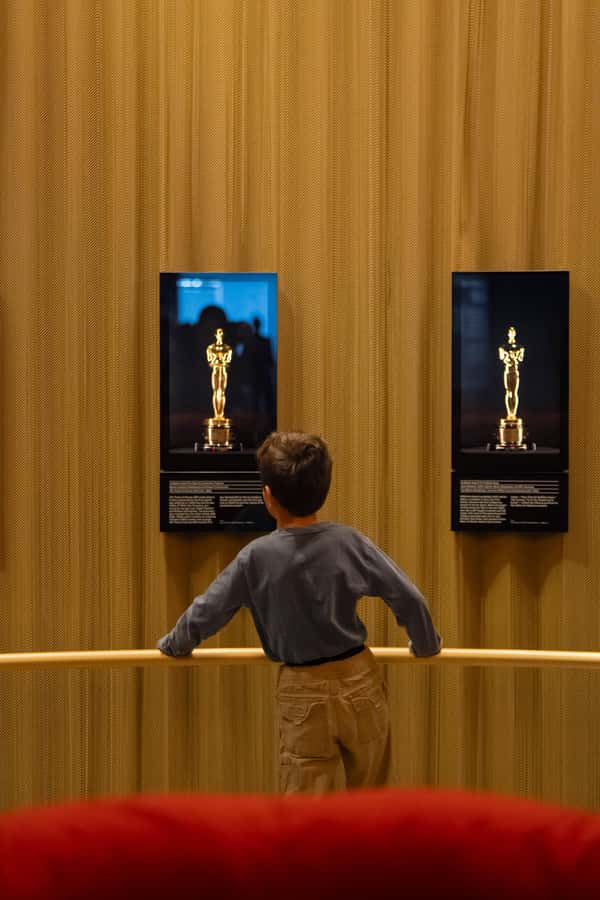
At about $25 per person, this ticket is priced like a museum day, not a flashy add-on. And the value is in the breadth: you get access to the core museum experience across three levels, plus Stories of Cinema, special galleries, and a temporary exhibition on Level 4. You also get the Dolby Family Terrace included with admission.
Two things make that feel like good value. First, you’re not paying just for one exhibit or one room. Second, the ticket includes both film context (how movies are made and who makes them) and classic movie moments (from iconic titles to memorabilia and related displays).
Your visit is valid for one day, and you’ll want to check availability for starting times. Plan for a few hours at minimum, and if you enjoy film history, you’ll likely want more.
Three Levels Plus Level 4: How to Plan Your Route
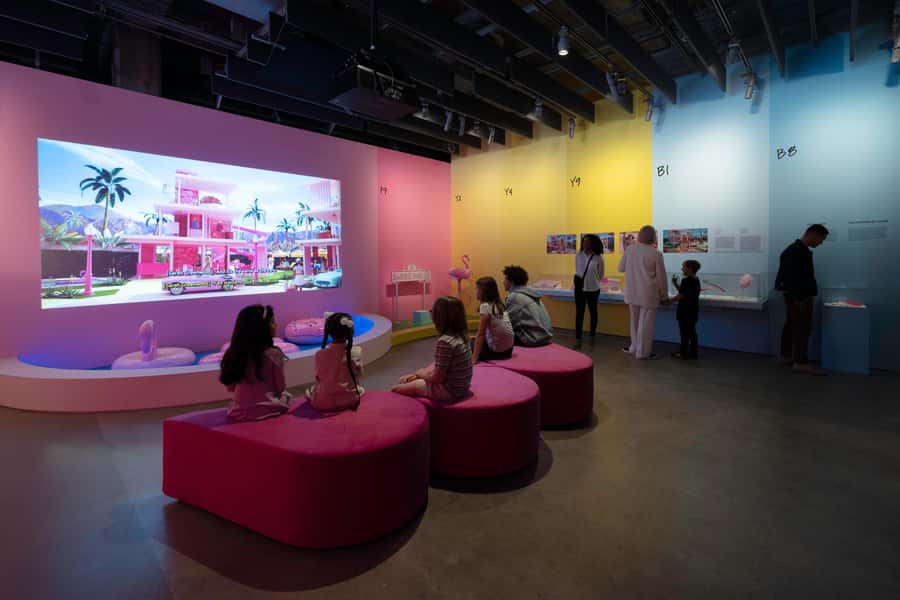
Here’s the reality: the museum doesn’t feel like a quick walk-through. It’s designed for lingering. You’ll be moving through galleries that range from immersive storytelling to object-based displays (props, costumes, archival items, and Oscar-related material).
A practical way to tackle it:
- Start with the galleries that interest you most, since exhibit pacing varies by person.
- Expect that some rooms will be dark by design, especially where screens or light-sensitive displays are involved.
- Leave time for the terrace. Even if you don’t spend long up there, it helps break up the museum flow.
Also note that some galleries may be temporarily closed due to exhibit changes. If you’re local or you’re returning, it’s smart to check what’s operating before you set expectations.
Stories of Cinema: Film as a Global, Creative Team Effort
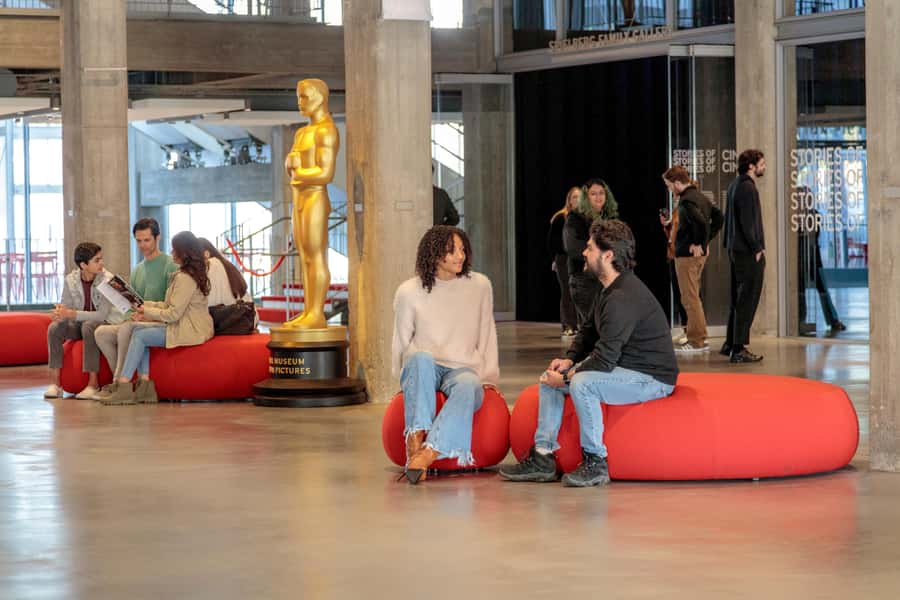
Stories of Cinema is one of the best reasons to come, because it frames movies as an international, collaborative craft rather than a single-country industry. The focus is on diverse and complex moviemaking stories—how creators connect, how styles travel, and how audiences across cultures interpret film.
Why it’s worth your time: it gives you context for what you’re seeing elsewhere in the museum. When you later encounter famous titles or recognizable artifacts, you’ll understand more of the “how” and “why,” not just the “what.”
This section is also a good fit if you’re traveling with someone whose favorite part of movies isn’t only acting. It speaks to writers, directors, editors, and the wider creative process.
Significant Movies and Moviemakers: Casablanca, Boyz n the Hood, and Lourdes Portillo
This part of the museum is built around a three-gallery experience featuring major work: the classic drama Casablanca (1942), the groundbreaking Boyz n the Hood (1991), and acclaimed documentarian Lourdes Portillo.
What I like about this setup is the contrast. Casablanca brings you into a period of studio storytelling and enduring screen-writing themes. Boyz n the Hood shifts the focus to a specific time and place, with big cultural and social weight. Lourdes Portillo’s inclusion widens the lens again, reminding you that documentary work is its own kind of cinematic storytelling.
Even if you don’t know everything about each title, you’ll come away with clearer thinking about why these works mattered, and how moviemaking choices shape the message.
You can also read our reviews of more museum experiences in Los Angeles





Dolby Family Terrace Views: A Real Break From Indoor Dark Rooms
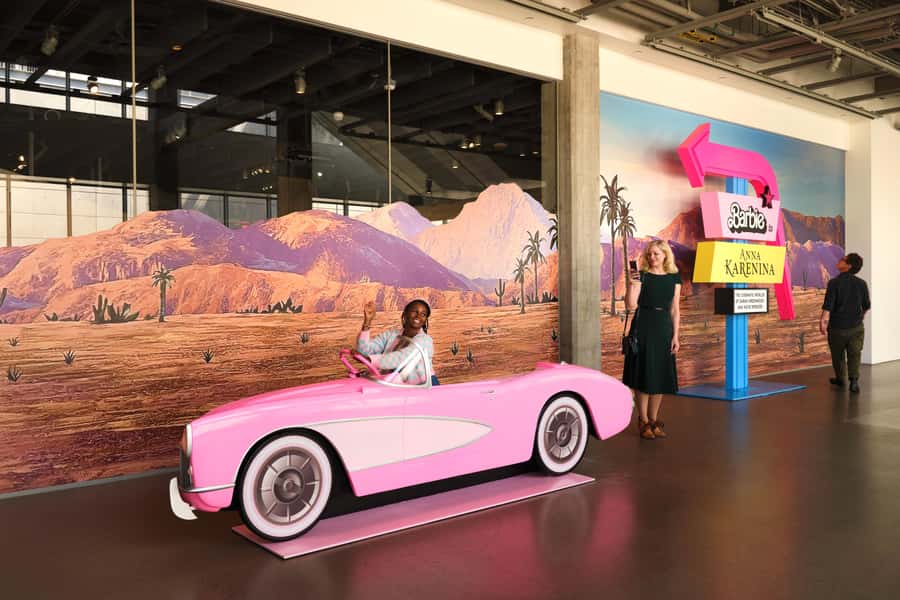
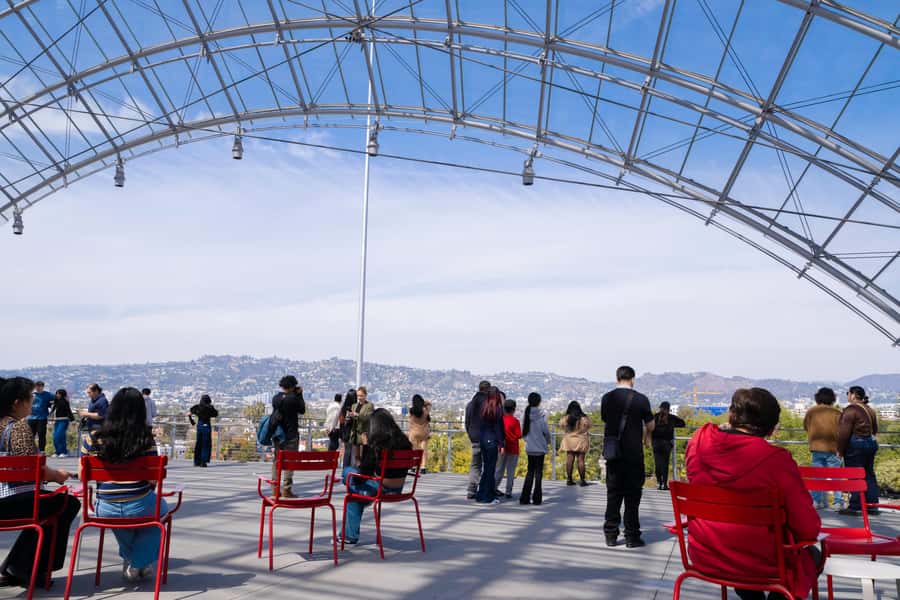
One of the included bonuses is the Dolby Family Terrace, which offers stunning views of the Hollywood Hills. It’s not just scenery for your phone roll; it also gives your brain a break from the dark, artifact-heavy galleries.
If you’re going to spend time taking it in, aim to do it mid-visit rather than at the very end. You’ll keep your energy up, and you’ll likely feel more relaxed returning to indoor exhibits afterward.
Fanny’s at the Museum: Lunch and Drinks Without Killing Your Budget
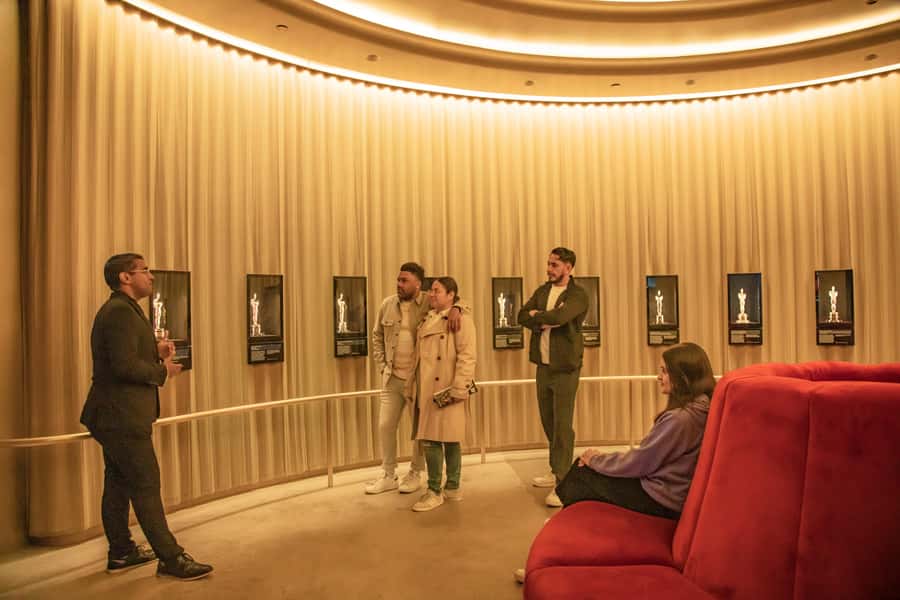
Food inside museums is often pricey, and this one doesn’t pretend otherwise. The museum has Fanny’s, a full-service restaurant, bar, and café, and it’s the easiest option when you want to stay in the museum bubble.
One smart tip: you might find different price points inside the overall Fanny’s setup. If you’re trying to control the bill, check your options carefully. In other words, don’t assume the first menu you see is your best value.
Also keep in mind the ticket doesn’t include dining. So if you’re hungry, budget for snacks or a meal on-site.
The Museum Store: Oscars-Grade Souvenirs
If you like film memorabilia, you’ll enjoy the Academy Museum Store. It’s the kind of place where you can browse long after you think you’re done shopping.
Expect Oscars/movie memorabilia and LA artist collaborations. That’s a nice twist because it connects movie culture with local creative voices. If you want a souvenir that feels tied to the museum (not just mass-market retail), this is where you’ll look.
What’s Not Included: Screenings and the Oscars Experience
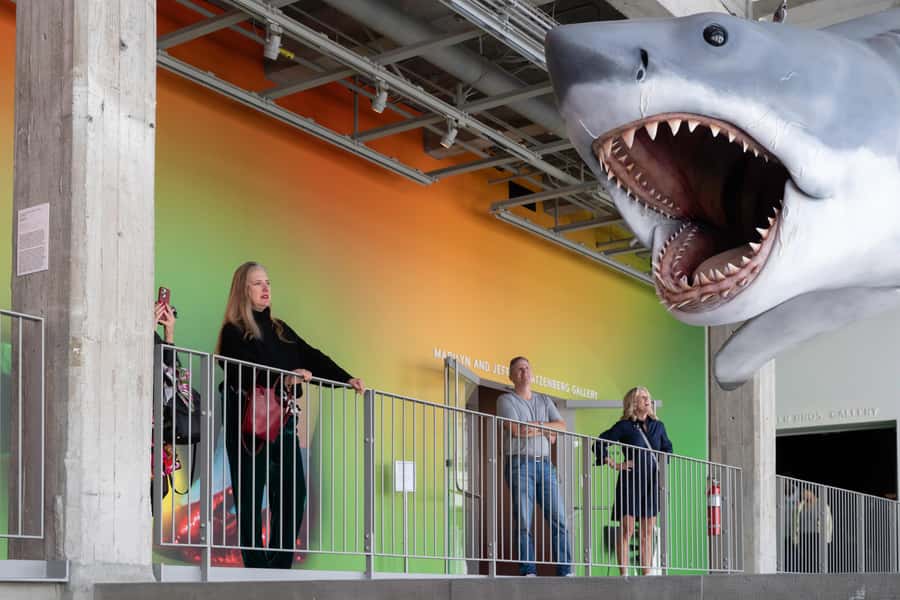
This ticket gives you museum access, not the extra-ticket attractions. Film screenings are not included, and the Oscars® Experience is also not included.
That’s important because it changes how you should plan. If your ideal day includes screenings or that Oscars-focused add-on, you may need to budget separately and build your schedule around those time-specific events.
Practical Tips: Dark Galleries, Photography Rules, and Timing
A few things can shape your experience day-of.
First, flash photography isn’t allowed. That means you’ll want to rely on your eyes, not your camera’s flash. If you’re hoping for crisp photos, plan accordingly—many spaces are intentionally dim.
Second, some rooms can be very dark, and there can be glare from down lights in certain display areas. If you’re sensitive to this, it’s another reason to take your time rather than rushing for photos.
Third, give yourself enough time. A solid visit can be around three hours, and if you stop to read labels and look closely at artifacts, you’ll want more. The museum is built so you can keep finding details rather than feeling like you’re sprinting.
Who This Ticket Is Best For (and Who Should Double-Check)
This is a great choice if you love film culture, want context around major movies, and enjoy exhibitions that connect art and process.
It’s especially suitable if you like:
- film history shown through exhibits and objects
- stories that connect movies to real people and real creative work
- iconic titles and the craft around them
Now, a couple of caution flags based on the activity details:
- It’s listed as not suitable for people with claustrophobia, and also lists multiple mobility-related limitations (including a note that it isn’t suitable for wheelchair users). At the same time, the activity info also lists wheelchair accessibility. If mobility is a concern, it’s worth confirming the practical layout at entry before you go.
- It’s also not suitable for people with low fitness, and there are age-related notes (including not suitable over 70 and over 95).
- There are notes about dietary restrictions and allergies (including vegan and people with food allergies), so if that applies to you, you’ll want to plan what you’ll order at Fanny’s.
Should You Book This Academy Museum Ticket?
If you want a film-themed day in Los Angeles that’s more than a one-room attraction, I’d book this. The included Stories of Cinema, the Significant Movies and Moviemakers focus (Casablanca, Boyz n the Hood, and Lourdes Portillo), and the included Dolby Family Terrace make it feel like a full outing.
Don’t book it expecting screenings or the Oscars® Experience included. And do take the lighting seriously: if dark rooms stress you out or make it hard to see, plan for slower pacing and fewer photo expectations.
If you’re traveling with movie lovers, or you just want a smart, well-designed museum day with plenty to read and see, this ticket is a solid bet.
FAQ
How much is the Academy Museum of Motion Pictures ticket?
The ticket price is listed as $25 per person.
How long is the ticket valid?
The ticket is valid for 1 day. You’ll need to check availability to see starting times.
Where do I go to get my wristband?
Go to the Winkler Welcome Center in the Sidney Poitier Grand Lobby and show your ticket to a Visitor Experience Associate to receive your wristband.
What’s included with this ticket?
It includes core three-level exhibition access, Stories of Cinema access, special galleries access, a temporary exhibition on Level 4 access, and Dolby Family Terrace access.
Are film screenings included?
No. Film screenings are not included with this ticket.
Is the Oscars® Experience included?
No. The Oscars® Experience is not included.
Can I take photos with flash?
No. Flash photography is not allowed.
Is Fanny’s food and drinks included?
No. The museum has Fanny’s (restaurant/bar/café), but dining is not listed as included with the ticket.
Do kids need a ticket?
Yes. Children ages 0–17 receive free museum general admission, but they still need a ticket.