REVIEW · LOS ANGELES
Los Angeles’ Dreamland: A Culver City Audio Tour
Book on Viator →Operated by VoiceMap Audio Tours · Bookable on Viator
Culver City turns sidewalks into movie sets. This self-guided audio walking tour uses the VoiceMap app to guide you through downtown streets, studios, theaters, and celebrity spots at your own pace. It’s priced low, runs about 1 hour 15 minutes to 1 hour 30 minutes, and includes offline audio and maps so you can keep moving even if cell service gets weird.
I like two things in particular: you get lifetime access to the tour content in English, and the route keeps you on smaller streets instead of only along main roads. I also like that it’s built around real place details—Culver City Clock, Zoetropes, the MGM/Sony front gate, and the so-called Hobbit Houses. One drawback to plan for: the audio directions rely on your phone, so you’ll want to be ready for occasional GPS/map hiccups or spots where it’s hard to hear over traffic.
In This Review
- Key highlights you’ll care about
- What You’re Paying $8.99 For in Culver City
- Start at the Culver Hotel and Get Oriented the Easy Way
- Downtown Film Sites: Studios, Media Park, and Actors Gang Theatre
- Citizen Public Market and the Local Food-Scene Detour
- Speakeasies and Backstage Bars: Seventy 7 and Backstage Bar
- Culver City Clock, Zoetropes, and the Side Streets You Might Miss
- Kirk Douglas Theater and the Meaning of Secret Previews
- Hobbit Houses (Lawrence and Martha Joseph Residence) and Celebrity Addresses
- The MGM/Sony Front Gate: Big Names, Real Street-Level Energy
- Lion’s Fountain: Film Felines and the Fun Visual Clue
- How the VoiceMap App Works (and How to Stay Calm If It Glitches)
- Timing, Pace, and When This Walk Fits Best
- Should You Book This Culver City Audio Tour?
- FAQ
- How much does Los Angeles’ Dreamland: A Culver City Audio Tour cost?
- How long is the tour?
- Is the tour guided by a person?
- What language is it offered in?
- Do I need to bring my own phone and headphones?
- Is offline access included?
- Where does the tour start and end?
- Will the audio take me inside museums or attractions?
- Can I cancel for a full refund?
Key highlights you’ll care about
- A very low price for a full 75-minute walk, with lifetime access to the content
- Offline audio, maps, and geodata through the VoiceMap app (Android and iOS)
- Film-industry stops you can actually see, including the MGM/Sony front gate and Culver City Studios area
- Pause-and-go flexibility to pop into shops along the way (when you feel like it)
- Fun visual history tied to Zoetropes and Lion’s Fountain references
- A private format so it’s just your group, not a mixed crowd moving in lockstep
What You’re Paying $8.99 For in Culver City
At $8.99 per person, you’re essentially buying an easy way to turn a casual walk into a story-driven route. For this price, the big value isn’t just the narration—it’s the structure and the fact you can replay it later. You also get offline access to audio, maps, and geodata, which matters in neighborhoods where signal can drop and you don’t want your tour to freeze.
The tour is self-guided, so there’s no schedule to chase. That also means you control the pacing: if you enjoy lingering at a storefront or taking photos, you can. One person even stretched the route to about 3 hours, which tells you the stops are flexible rather than sprint-through-only.
The only budget “gotcha” is that the basics you might need are not included. You’ll bring your own smartphone and headphones. If you forget either, you can still do plenty of walking, but you’ll miss the main point.
You can also read our reviews of more city tours in Los Angeles

Start at the Culver Hotel and Get Oriented the Easy Way
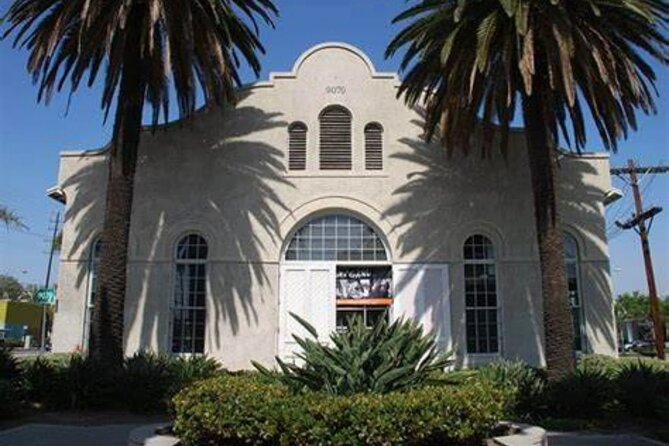
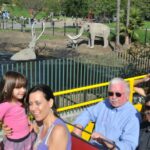
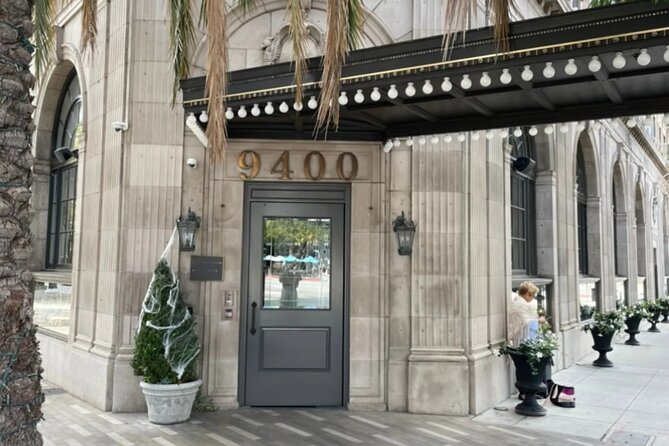
You begin next to the Culver Hotel at 9400 Culver Blvd in Culver City. The audio kicks off right there, with the story behind the neighborhood name—Harry Culver, the developer the suburb is named for. I love this kind of opening because it gives you a mental map before you start moving: who matters, why it happened, and what to look for once you’re outside.
From the beginning, the tour is designed for an “out-and-about” feel. You’re not trudging between far-apart attractions. Instead, you’re walking through downtown and noticing the layers as you go—old entertainment money, modern studios, theaters, and everyday local hangouts.
Practical tip: plan on comfy shoes. This is a walking tour with lots of street-level stops, and some parts may run alongside heavier traffic depending on the route you take.
Downtown Film Sites: Studios, Media Park, and Actors Gang Theatre
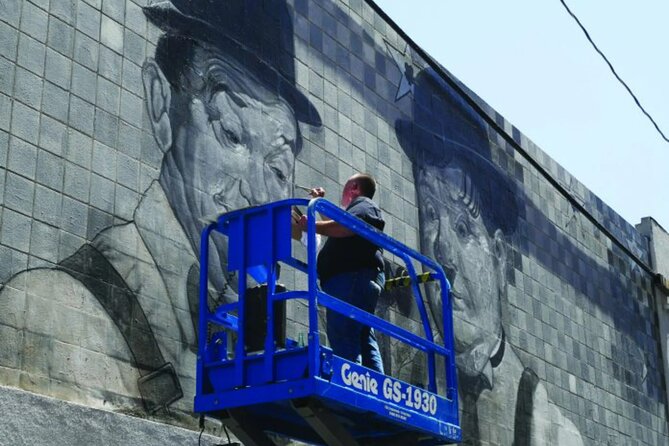
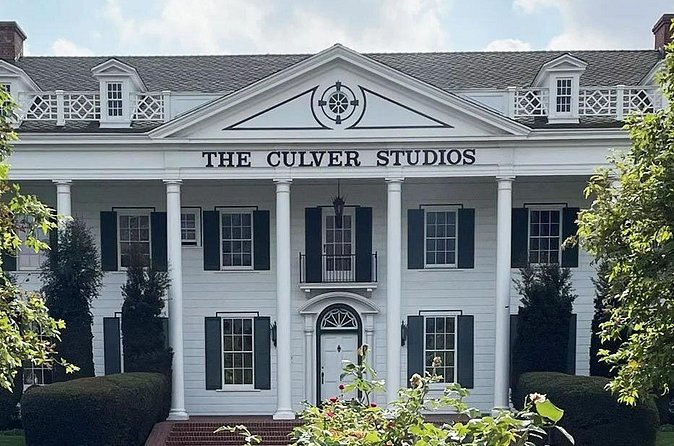
Once you’re moving, the audio guides you through downtown Culver City past two key anchors: Culver City Studios and the Actors Gang Theatre in Media Park. Even if you’re not a film-history superfan, these stops help you understand why Culver City has a different vibe than typical Southern California “shopping strip” areas.
The strength of this portion is that it mixes “what you see” with “why it matters.” You’re walking right by places that still connect to entertainment work, but the audio makes the neighborhood feel like a timeline instead of a random collection of buildings.
If you like seeing studios and theaters from the sidewalk (without paying museum admission), this section is a sweet spot. Just remember the tour doesn’t include entry tickets—your audio will point things out, but if you want to go inside, you’ll handle that separately.
Citizen Public Market and the Local Food-Scene Detour
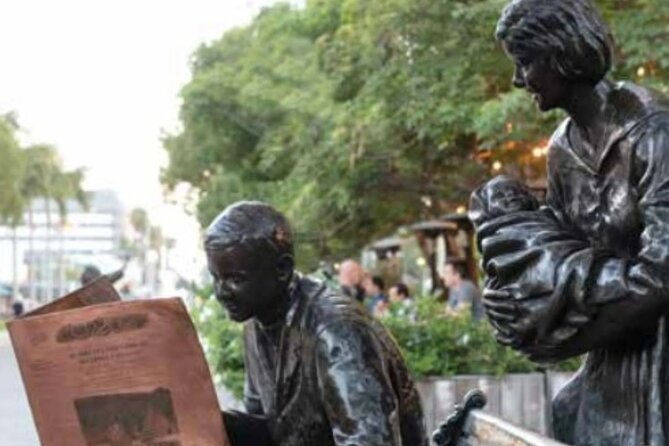
As you continue, you’ll reach Citizen Public Market, plus you’ll pass other local dining spots along the route. This is where the tour becomes more than history. You get a chance to connect the entertainment past with the present-day “where people actually eat and hang out” side of Culver City.
I also like that the narration doesn’t force a meal stop. You can use the market area as a reset point—stretch your legs, grab a snack if you want, or keep walking if you’d rather stay focused on the audio.
If you’re timing this around brunch or an easy afternoon, Citizen Public Market is an ideal place to pause, because the whole area is built for casual wandering afterward.
Speakeasies and Backstage Bars: Seventy 7 and Backstage Bar
One of the most fun parts of the route is the way the audio points out real “watering hole” names tied to the entertainment mythos of Hollywood. You’ll hear about spots like Seventy 7 Speakeasy and the Backstage Bar—places described as where stars might slip away for a moment away from the grind.
Now, let’s keep this practical: this section is about noticing the places, not a guided tasting. Food and drink are not included, and you’re not guaranteed a stop where you can sit down during the tour. Still, even if you don’t go in, these are memorable waypoints that make the city feel less like a postcard and more like a living set.
If you do plan to step into one of these spots, treat it as a personal detour. You’re holding the pace with you, so you can stop when it feels right.
You can also read our reviews of more tours and experiences in Los Angeles






Culver City Clock, Zoetropes, and the Side Streets You Might Miss
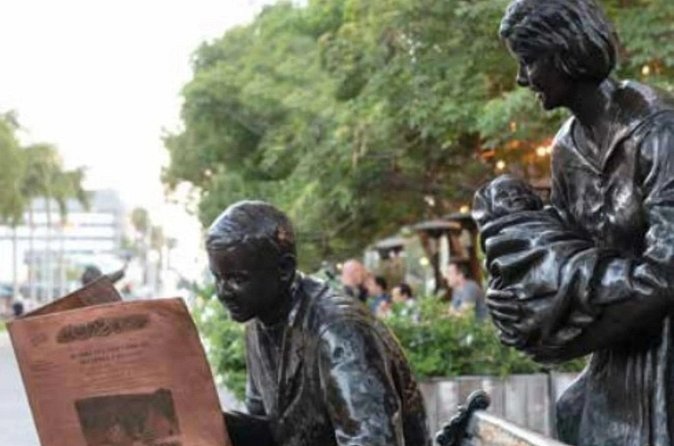
The audio tour includes a few standout “slow down and look” landmarks. You’ll pass by the Culver City Clock, and you’ll also see the Zoetropes of Culver City—a clever film-technology nod that connects visual storytelling with the physical design of the area.
I like the Zoetropes detail because it gives you something you can see immediately. It turns “old movie talk” into a real moment at street level. You don’t have to imagine what the tech was like—you’re standing near it.
You’ll also pass Alandales, and the route includes alleys and smaller streets rather than staying only on wide, loud roads. That’s a big deal for quality of experience. Side streets tend to feel quieter, and they help the narration land because the scenery matches the tone.
From a realism standpoint, just be prepared for some sections where hearing is harder due to surrounding traffic. If the street noise is strong, you’ll probably want headphones, keep the phone at a comfortable volume, and take a second to pause at safer spots.
Kirk Douglas Theater and the Meaning of Secret Previews
Next up: an opportunity to visit the Kirk Douglas Theater, which the audio connects to its past use for secret, unannounced previews to gauge audience reactions. Even if you don’t go inside, the stop works because it frames the theater as part of the movie-making process—not just a performance venue.
This is a good checkpoint if you’re into the behind-the-scenes side of film. It also breaks up the walk before the route heads toward the biggest set-piece location.
Because the tour is self-guided, you’ll want to read the audio cues as your “permission slip” for whether to stop and look around. If you can’t enter at the time you arrive, you still get the context from the narration while you’re standing nearby.
Hobbit Houses (Lawrence and Martha Joseph Residence) and Celebrity Addresses
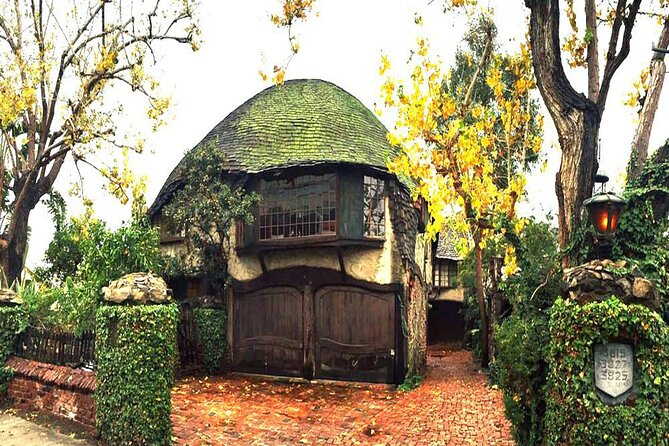
Then comes one of the more memorable identity markers on the route: the Lawrence and Martha Joseph Residence and Apartments, affectionately called the Hobbit Houses. The audio points out which celebrities have stayed there.
This part is fun because it turns an architectural feature into a story. Instead of learning trivia in the abstract, you’re relating it to a specific place you can point at on the walk.
If you’re traveling with someone who loves “where famous people lived” lore, this stop tends to land well. If you’re more practical, it still works because it gives you a recognizable destination in the middle of a longer story route.
The MGM/Sony Front Gate: Big Names, Real Street-Level Energy
A main highlight of the walk is passing the MGM/Sony Pictures front gate. The narration ties the location to famous names like Marilyn Monroe, Brad Pitt, and Leonardo DiCaprio, with the idea that stars drove through this gate on their way to work.
Even though you’re outside and you’re not getting a studio tour, this is still a powerful moment because it makes movie history feel physical. You’re not only hearing about the industry—you’re standing at a point where work and celebrity culture once intersected.
The audio also points to careers, private lives, and even some “sometimes illegal” activities associated with film greats, both on-screen and off. That kind of story flavor can be a hit if you like cinematic gossip and context. If you prefer strictly factual, museum-style interpretation, you might want to treat this segment as entertainment-history storytelling rather than a formal lecture.
Lion’s Fountain: Film Felines and the Fun Visual Clue
Toward the end of the route, you’ll pass by Lion’s Fountain, where the narration connects the spot to famous film felines. This is the kind of stop that rewards people who enjoy visual easter eggs.
It also shows how the tour uses a mix of serious and playful details to keep attention from flagging mid-walk. In a 75–90 minute experience, variety is everything, and the audio keeps shifting the tone without losing the theme.
How the VoiceMap App Works (and How to Stay Calm If It Glitches)
This tour runs through the VoiceMap app for Android and iOS, and you get offline access to audio, maps, and geodata. That’s a big plus for independence. You’re not waiting on a guide to move you along, and you’re not relying entirely on live connectivity.
Still, the tech can be finicky. Some people reported that at one point the map showed them on the wrong street, or the audio got confusing during turns. Others mentioned occasional connection loss, and at least one person said the audio was hard to hear when walking along a road with heavy traffic.
Here’s how I’d handle that without ruining your day:
- Download/offline first: use the offline tools before you start so the tour keeps playing.
- Follow the audio + glance at the map: if directions feel off, pause, check your phone position, then hit play again.
- Bring your own headphones: even good narration loses impact if the street noise is drowning it out.
- Keep a charger plan: not stated in the tour data, but it’s smart to avoid low-battery issues on a walking route.
- Accept a little mystery: if you miss a turn, slow down and recover. The stories are worth it, and you can often straighten things out quickly.
One more practical note: the tour is longer than some people expect. If you’re rushing, it’ll feel tighter. If you’re treating this like an easy afternoon stroll, it fits well.
Timing, Pace, and When This Walk Fits Best
This experience is available daily between 12:00 AM and 11:59 PM, within the listed operating window. That gives you a lot of flexibility. If you want to do it after brunch, it’s easy to fit into the day because the tour is self-paced and doesn’t lock you into a narrow departure time.
Duration sits around 1 hour 15 minutes to 1 hour 30 minutes. That’s long enough to feel like you learned the neighborhood, but short enough that you can still do other things later—especially if you like the idea of grabbing something at Citizen Public Market after.
Also, booking tends to happen about 13 days in advance on average, so if your trip dates are fixed, don’t wait until the last week.
Finally: it’s listed as a private tour/activity, meaning only your group participates. That matters if you want a quieter experience and less random crowd movement.
Should You Book This Culver City Audio Tour?
Book it if you want a smart, low-cost way to understand Culver City through film culture and street-level landmarks. The lifetime access and offline audio/maps make it a great “use now, reuse later” choice. I’d especially recommend it if you like walking, you enjoy film trivia tied to real places, and you don’t want to commit to museum hours.
Skip it or think twice if you hate phone-based navigation or you’re easily frustrated by app glitches. Even though offline access helps, this is still a technology-led experience, and some people have had confusing moments with map accuracy and audio playback timing.
If you’re the type who likes exploring at your own pace, wearing comfy shoes, and stopping when a story or photo opportunity catches your eye, Dreamland in Culver City is an easy yes for a memorable afternoon walk.
FAQ
How much does Los Angeles’ Dreamland: A Culver City Audio Tour cost?
It costs $8.99 per person.
How long is the tour?
Expect about 1 hour 15 minutes to 1 hour 30 minutes.
Is the tour guided by a person?
No. It’s a self-guided walking tour delivered through the VoiceMap app.
What language is it offered in?
It’s offered in English.
Do I need to bring my own phone and headphones?
Yes. Smartphone and headphones are not included, so you’ll need both to listen to the audio.
Is offline access included?
Yes. You get offline access to audio, maps, and geodata.
Where does the tour start and end?
It starts at the Culver Hotel, 9400 Culver Blvd, Culver City, CA 90232, and ends back at the same meeting point.
Will the audio take me inside museums or attractions?
You won’t be guided through museums or other attractions mentioned en route. If you choose to enter and visit places independently, you’ll need to pay separately.
Can I cancel for a full refund?
Yes, free cancellation is available. You must cancel at least 24 hours in advance for a full refund.