
REVIEW · LOS ANGELES
Skip the Line: General Admission Museum of Tolerance Ticket
Book on Viator →Operated by Museum of Tolerance · Bookable on Viator
Prejudice has a paper trail in LA. The Museum of Tolerance is a human-rights education center, and I love how the Museum of Tolerance connects Holocaust history to today’s forms of discrimination. I also like that the exhibits focus on bigotry in both historic and contemporary settings, including antisemitism and the Jewish diaspora. One thing to watch: online tickets can be tricky to locate on arrival, so keep a screenshot of your confirmation.
Plan on 1 to 2 hours, give yourself time to read slowly, and expect an emotional experience. You’ll use a mobile ticket, and it’s close to public transportation with service animals allowed, so it’s fairly easy to fit into a day in Los Angeles.
In This Review
- Key highlights worth your attention
- Museum of Tolerance in Los Angeles: what you’re really paying for
- How long the visit takes and how to pace it
- Skip-the-line with a mobile ticket: where the convenience works
- Inside the museum: the Holocaust exhibit as the emotional core
- Here and now: antisemitism and discrimination in modern life
- Exhibit etiquette: how to keep your visit from getting disrupted
- Practical logistics: security, parking, and getting there smoothly
- Tour guide help, plus the gift shop worth planning for
- Should you book the skip-the-line general admission ticket?
- FAQ
- How long should I plan for the Museum of Tolerance?
- What does the ticket include?
- Is this a mobile ticket?
- Will I get confirmation after booking?
- Are service animals allowed?
- Is the museum near public transportation?
- Can most people participate?
- Is the ticket refundable or changeable?
- What should I do to avoid problems finding my ticket on arrival?
Key highlights worth your attention
- Holocaust lessons framed in a modern context so history doesn’t stay in the past
- Topics you can’t ignore like antisemitism, discrimination, and the Jewish diaspora
- Skip-the-line general admission plus a mobile ticket for faster entry if you’re prepared
- A human-rights education center with exhibits meant to challenge your thinking
- Good odds of a powerful visit (the overall rating is strong, with many calling it beyond expectations)
Museum of Tolerance in Los Angeles: what you’re really paying for
You’re not just buying entry to another museum room. This one is designed as an educational center and human-rights space, with a clear goal: challenge what you think you already know about prejudice and discrimination. The big value here is the way the museum connects the Holocaust to patterns people still see today, like antisemitism and other forms of bigotry.
That framing matters because it turns the visit into more than a history stop. You’ll walk away with sharper language for what discrimination looks like and how it spreads. And while the subject matter is heavy, the exhibits are built to help you understand how yesterday’s hate can echo into modern life.
If you’re the type who wants meaning, not just artifacts, this is a strong match. If you’re looking for light, quick sightseeing, you’ll probably feel like you need more time than you planned.
You can also read our reviews of more tours and experiences in Los Angeles



How long the visit takes and how to pace it

Most visits land around 1 to 2 hours. That sounds short, but these exhibits are the kind that reward slow reading and careful looking. I’d plan for a calmer pace than you’d use in a typical “see everything” museum.
Here’s a practical way to think about timing:
- In the first part of your visit, expect to absorb the strongest emotional content.
- In the later parts, you’ll shift into themes about discrimination that connect to the present day.
You don’t need to sprint to see the core of the museum. If you do, you’ll miss the museum’s main point, which is to make the connections between past and present feel obvious. Also, if you’re taking this for a class assignment, the extra minutes you spend reading text closely can help you much more than rushing through.
Skip-the-line with a mobile ticket: where the convenience works

The ticket you’re using is a mobile ticket, and you’ll get confirmation at booking time. In theory, that’s the fast lane. In practice, the museum experience can still depend on how smoothly you can present your ticket information.
Here’s what I’d do to make this painless:
- Screenshot your confirmation right after booking.
- Keep that screenshot handy on your phone, even if you think you won’t need it.
- On arrival, be ready to show it quickly so you don’t get stuck trying to find it while other people are moving.
One issue that can ruin the first minutes of your visit is simply not being able to find the ticket confirmation fast enough. If you show up without the confirmation screen saved, you may end up paying again on-site. The museum itself can be fantastic, so don’t let a tech hiccup steal your time.
Also, don’t interpret skip-the-line as skip-security. You should still expect some screening when you enter.
Inside the museum: the Holocaust exhibit as the emotional core
The heart of the Museum of Tolerance experience is its Holocaust-focused material, and it’s the part people most often describe as powerful and even life-changing. The exhibits don’t stay at a distant, academic distance. They push you to understand what happened and why it matters in the way hate operates.
In a lot of museums, Holocaust history can feel like a chapter you read. Here, the presentation is meant to confront you with the reality behind the topic. That’s why many people call it far beyond expectations or say it’s deeply informative.
I’ll also flag something practical that affects the experience: there can be scheduled or structured testimony elements (or presentations that people expect to be Holocaust survivor accounts). If that’s a major reason you’re visiting, plan to ask where those moments happen when you arrive. Some visitors have said they were directed toward an unexpected format instead, which meant they missed what they thought they were going to see.
Even if you don’t catch a specific testimony moment, the main Holocaust material still does the heavy lifting. It’s often the section that makes the rest of the museum click.
Here and now: antisemitism and discrimination in modern life
After the Holocaust content, the museum shifts into themes about prejudice today. This is where the visit earns its momentum. You’ll see materials about antisemitism and discrimination and how these ideas show up in the real world.
This part is valuable because it helps you avoid the most common trap: treating past persecution as a one-time event that ended with history. Instead, the museum argues that patterns can repeat when societies decide certain groups are less human, less deserving, or less protected.
That said, not every exhibit lands equally for everyone. Some visitors felt the Here and Now section was only okay and could have been stronger. My advice is to treat it like a conversation, not a final verdict. If something feels vague or less engaging, keep moving. The museum’s overall message is larger than one single gallery.
If you’re coming with questions, this is the area that gives you the best chance to connect the dots between history and the headlines people recognize.
You can also read our reviews of more museum experiences in Los Angeles






Exhibit etiquette: how to keep your visit from getting disrupted
One underrated factor in a museum like this is crowd behavior. The content is serious, and when other people rush or skip through walk-through areas, it can feel distracting. I’ve found that when you move too fast, you miss the museum’s logic. When other people move too fast around you, it can also break your focus.
So here’s what I’d do:
- Give yourself space. Stop and read when you see text that matters to the theme.
- If you’re with a group, agree on pace before you start.
- If an area feels crowded, step aside and continue a little later rather than forcing your way through.
If you want a calm, reflective experience, treat the museum like it’s more ceremony than checklist.
Practical logistics: security, parking, and getting there smoothly
This museum is near public transportation, which helps a lot. If you’re driving, you should expect parking realities like screening. Some visitors report their car being searched when they parked, and that you should plan for security checks at the gate.
That matters because it changes how you should schedule your day. Build in a little buffer so you’re not rushing right before entry. If you arrive stressed, you’re more likely to miss details on signage or end up scrambling for your confirmation screen.
Also, security staff can set the tone at the start. Some visitors have described the gate security as less welcoming. That’s not something you can control. The best move is to stay calm, be ready with your ticket confirmation, and expect the museum process to be strict but purposeful.
Tour guide help, plus the gift shop worth planning for
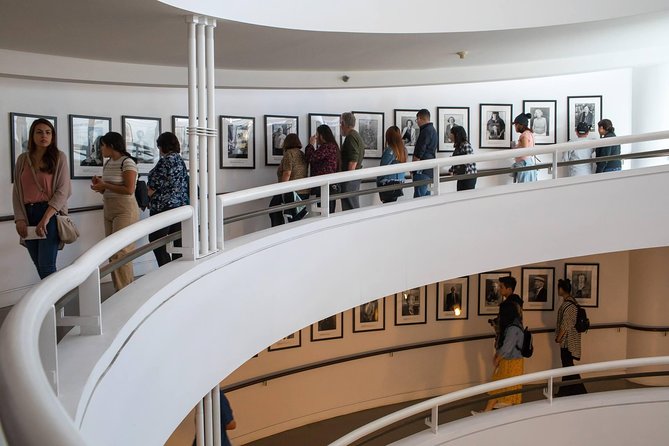
A guide can change how well you understand what you’re seeing. Some visitors strongly recommend touring with a guide so you get more from the exhibits, not just the surface facts. If you’re the type who likes to ask questions and connect themes to real examples, a guided format can help you make sense of the museum’s structure.
If you’re not taking a guide, you can still do well—just slow down. Read the exhibit framing, not only the central panels.
And yes, the gift shop is a practical stop worth planning for. One visitor called it a must, with items priced reasonably. It’s a simple way to keep the museum impact going after you leave, especially if you want reading material or reminders you can take home.
Should you book the skip-the-line general admission ticket?
If you care about understanding how prejudice works—past and present—this ticket is a strong choice. The overall rating is about 4.1, and the most common praise is that the museum can be deeply powerful, informative, and even surprising in the details it includes.
Book it if:
- You want Holocaust history with direct connections to today
- You’re ready for a serious, emotional visit
- You’ll save your confirmation screenshot and show up prepared
Think twice if:
- You’re hoping for a light, quick museum outing
- You want guaranteed access to a very specific survivor testimony moment without any on-site confirmation
My bottom line: this is worth your time if you show up organized. The content is the point, and the museum does a good job keeping that point clear—once you get past the first, boring-but-important ticket moment.
FAQ
How long should I plan for the Museum of Tolerance?
Most visits are about 1 to 2 hours.
What does the ticket include?
It includes general admission to the Museum of Tolerance.
Is this a mobile ticket?
Yes, the ticket is provided as a mobile ticket.
Will I get confirmation after booking?
Yes, confirmation is received at the time of booking.
Are service animals allowed?
Yes, service animals are allowed.
Is the museum near public transportation?
Yes, it’s near public transportation.
Can most people participate?
Most travelers can participate.
Is the ticket refundable or changeable?
No. The experience is non-refundable and cannot be changed for any reason.
What should I do to avoid problems finding my ticket on arrival?
Keep a screenshot of your confirmation screen available on your phone, so you can show it easily when you enter.