REVIEW · LOS ANGELES
Los Angeles: Downtown History & Architecture Walking Tour
Book on GetYourGuide →Operated by Touch Down in LA · Bookable on GetYourGuide
DTLA hides movie history in plain sight. I like how this walk uses Art Deco and Beaux-Arts architecture as the story engine, and I really like the Belgian guide’s global, conversational angle. You get big-name LA references and real city-design talk without it turning into a lecture.
One thing to plan for: the pacing can run longer than the advertised time, so comfortable shoes really matter if you’re tight on your schedule.
In This Review
- Key highlights worth your time
- Downtown LA as a design story, not just a sightseeing loop
- Starting at LA Central Library (and using the 7th Street Metro shortcut)
- Angels Flight: the small ride with big DTLA symbolism
- Grand Central Market and the rhythm of everyday DTLA
- Bunker Hill layers: from old affluence to modern change
- Broadway’s theater corridor: movie palaces you can almost hear
- Revitalized historic core: old facades, new energy
- Bradbury Building: the architecture stop that demands a second look
- Last Bookstore: where the story turns more personal
- The names you carry out of DTLA
- Price and value: $30 for 150 minutes of city-design talk
- Who should book this tour (and who should skip it)
- Should you book this Downtown History & Architecture walk?
- FAQ
- Where does the tour start?
- How long is the Downtown history and architecture walking tour?
- What languages is the guide available in?
- What should I bring for the walk?
- Is the tour suitable for children or mobility needs?
- How much does it cost?
Key highlights worth your time
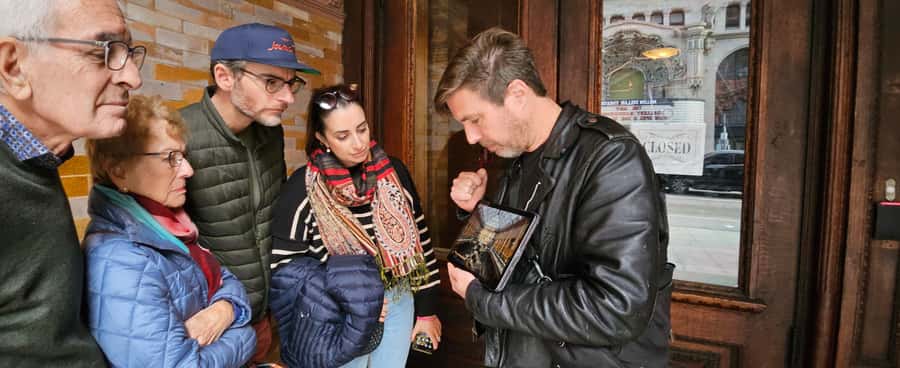
- A European lens on LA design, with the guide using comparisons that make the neighborhood feel bigger than Hollywood
- Iconic architecture stops, including Art Deco, Beaux-Arts, and Modernist touches around DTLA’s landmarks
- Movie palace storytelling through the Theater District, where cinema history feels built into the sidewalks
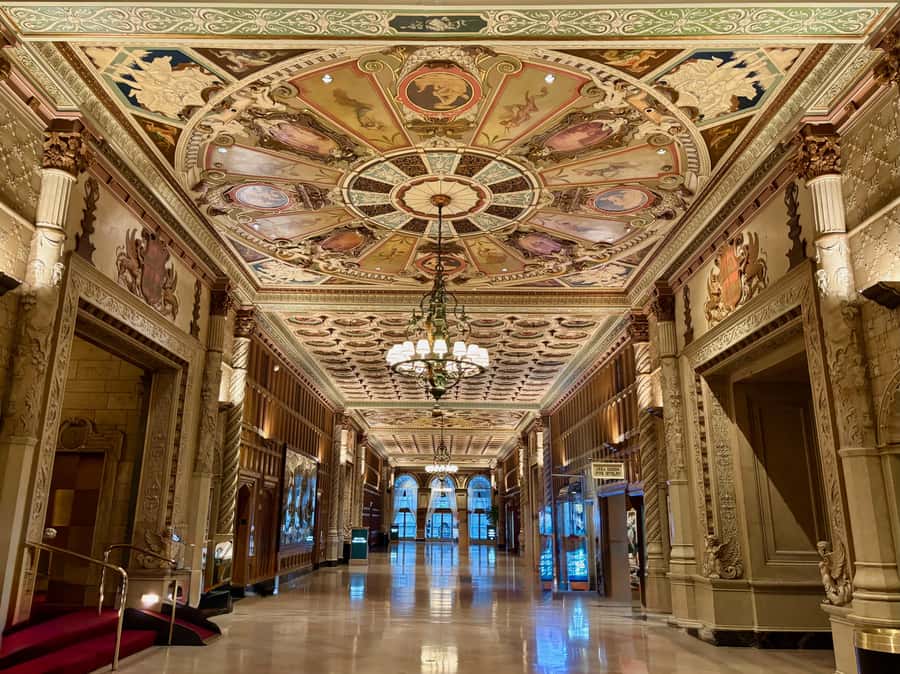
- Bradbury Building photo moment, a classic DTLA interior you’ll see up close and talk about
- Last Bookstore visit, a quirky, book-lover stop that keeps the tour human and not just architectural
Downtown LA as a design story, not just a sightseeing loop
This tour works because it treats DTLA like one connected system: buildings, streets, politics, and culture all shape how people live and move through the city. You’re not just collecting facades; you’re learning why certain styles show up in certain places and what that says about LA’s changing priorities.
The best part for me is the tone. It’s conversational, not a scripted monologue. That matters because DTLA can feel like a mash-up of eras, and a dialogue format helps you connect the dots as you walk.
And because the guide is Belgian, the perspective often lands differently. You’ll hear prompts that tie LA’s evolution to wider city patterns worldwide, not just to American movie myths.
You can also read our reviews of more walking tours in Los Angeles


Starting at LA Central Library (and using the 7th Street Metro shortcut)
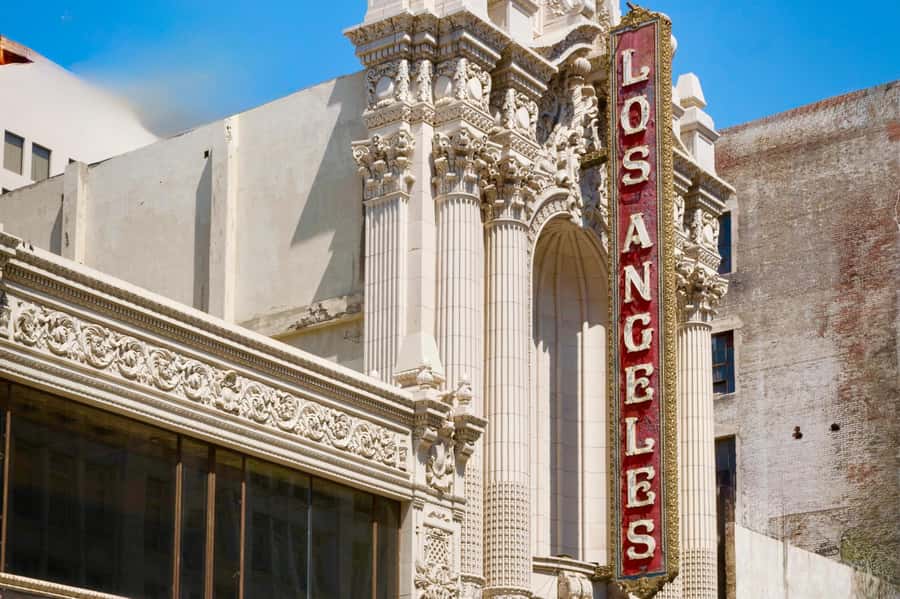
The easiest way to make this work in real life is to aim for the Los Angeles Central Library area. It’s one of the tour’s main start points, right by the 7th Street Metro station, which is handy if you’re staying somewhere with transit access.
The library stop sets the tone fast. Instead of starting with a random monument, you begin in a place that already signals LA’s ambition—big civic buildings, bold forms, and a city that builds toward a future it keeps rewriting. It’s also a smart starting point if you want your first 15 minutes to feel like you’re already getting oriented.
Bring a camera from the start; you’ll get chances to frame architecture rather than only shooting street-level scenes. And since you’ll be outside for much of the experience, bring the basics: water, hat, sunscreen, and plan for sun if the forecast is bright.
Angels Flight: the small ride with big DTLA symbolism
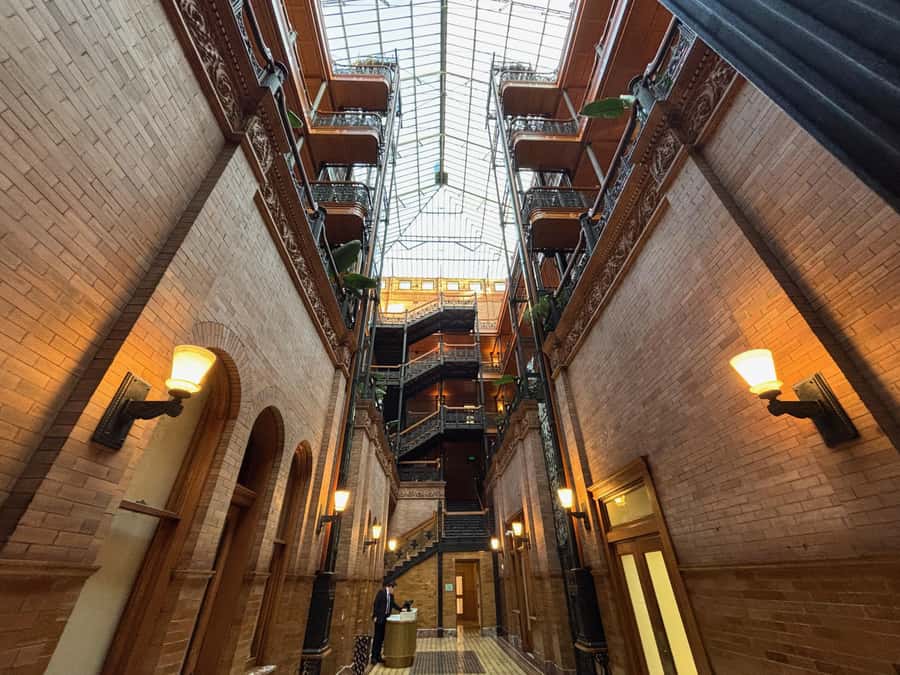
A stop at Angels Flight Railway is a quick “wait, what is that?” moment that still fits the tour theme. Even if you’re only there briefly, it represents LA’s habit of creating shortcuts—literal and cultural—between layers of the city.
This is where the tour starts tying movement to story. Why do people climb and travel between neighborhoods? How do different eras “connect” when the streets don’t? It’s the kind of stop that gives the larger architecture talk a human scale.
If you’re the type who likes details, keep an eye on how the route and surrounding buildings frame the views. This is often where you get your first sense of how DTLA’s elevation changes can shape what feels reachable and what feels distant.
Grand Central Market and the rhythm of everyday DTLA
The tour includes Grand Central Market, and it’s not there just for snacks. Market areas help you understand the city’s daily engine—where people show up, how crowds concentrate, and how neighborhoods build identity around food, commerce, and foot traffic.
This stop also gives the walking pace a natural reset. You get a short visit and then move back into architecture mode, so the day stays varied instead of turning into building-stare fatigue.
Since the tour is about history and design, watch how the market fits into its surroundings. It’s a reminder that DTLA’s most famous images—movie palaces and landmark interiors—sit next to everyday LA life.
Bunker Hill layers: from old affluence to modern change
You’ll hear about Bunker Hill, once an affluent residential area and now a place that reflects LA’s constant evolution. This is the portion of the walk where the conversation often gets more political—how urban change happens, who benefits, and what gets preserved versus replaced.
What I like about this stop in particular is how it complicates the storyline. DTLA isn’t a simple success story where everything got better. It’s a stack of decisions, many of them messy, and you’ll feel that in the way the guide talks about the neighborhood’s transitions.
It’s also a useful moment if you’re trying to understand LA beyond the myth. The “movie city” angle stays, but it becomes part of a bigger question: how did the city’s built environment influence the kinds of stories people could imagine here?
You can also read our reviews of more historical tours in Los Angeles



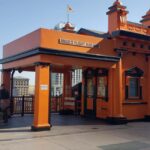
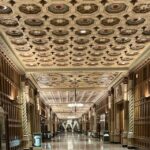

Broadway’s theater corridor: movie palaces you can almost hear
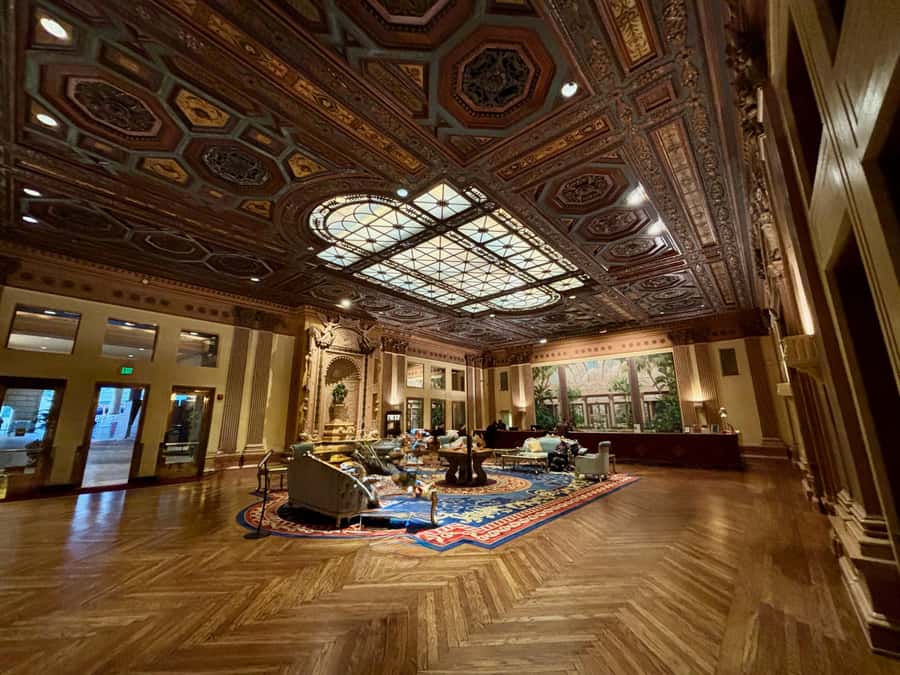
The Broadway Theater District segment is where you start connecting architecture with entertainment history in a direct way. The tour frames this area around the idea of movie palaces and the density of cinematic landmarks—an important context if you’ve only seen LA from a postcard.
As you walk, you’ll get conversations that link the glamour and the grind: what these theaters were built to do, how the city marketed itself, and why these buildings became cultural magnets.
This is also where the tour leans into famous names. You’ll walk in the footsteps of Chaplin, JFK, Michael Jackson, Taylor Swift, and Jisoo—not just as trivia, but as touchpoints that help you visualize how DTLA sits inside popular culture over time.
Practical note: this is an outdoor walking section, so plan your photo breaks. You’ll want the camera ready, but don’t force every shot. The best images come from pausing for a clear angle, not from rushing.
Revitalized historic core: old facades, new energy
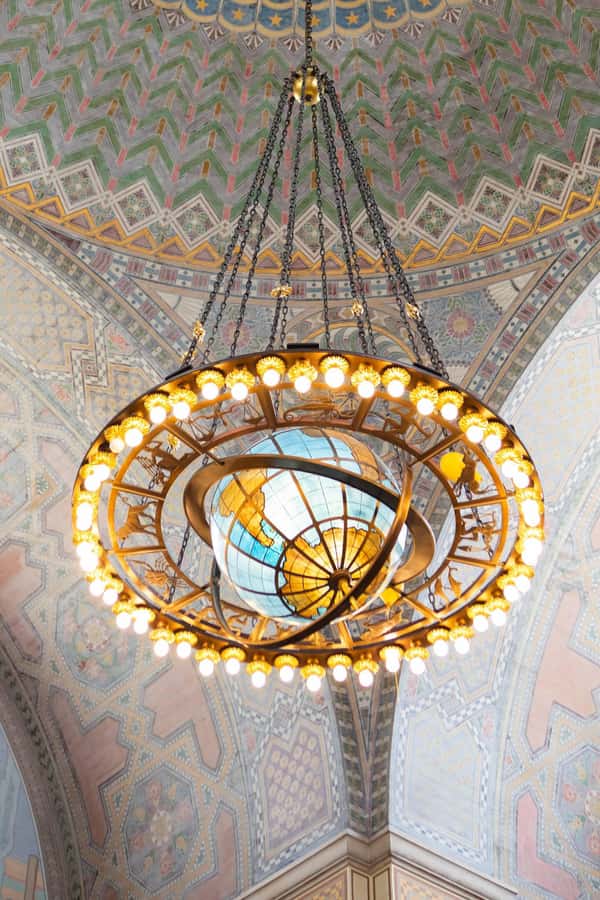
A portion of the walk focuses on the revitalized historic core, and it’s a nice counterbalance to the theater emphasis. Instead of treating DTLA as frozen in 1920s glamour, the guide points you toward what’s changing now—how hidden corners get attention, how old-world details get reused, and how people remix places without completely erasing them.
This is the stretch that helps your photos look more like “a neighborhood” and less like “an itinerary.” You start noticing the small contrasts: older stone and trim next to newer signage, or street corners that feel made for strolling and meeting.
If you care about urban design, this part tends to click. You’ll be talking about public space and how it shapes what people do—where they linger, where they pass through, and where the city feels welcoming or hostile.
Bradbury Building: the architecture stop that demands a second look
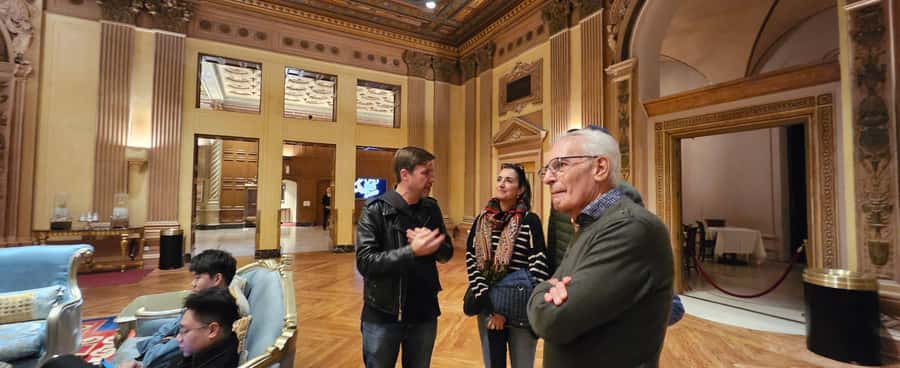
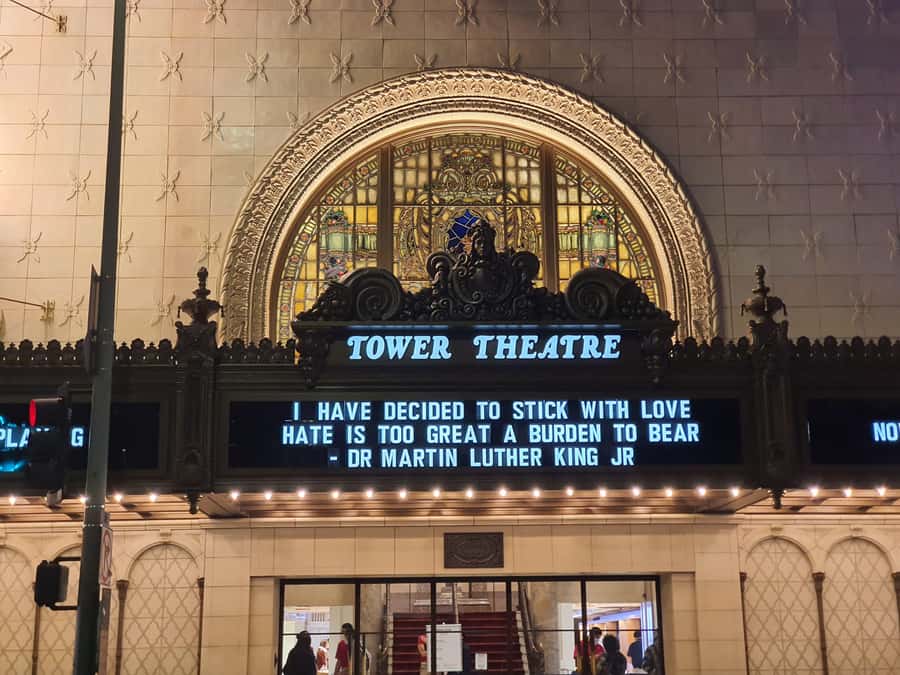
The highlight for many people is the Bradbury Building. It’s the kind of place where the details make sense only when you slow down. This tour gives you time there—around 20 minutes—so you can look up, look around, and take photos without feeling rushed.
This is also where the tour’s architecture talk becomes tangible. You’ll see and discuss what makes the building visually iconic—how light, form, and interior layout create drama in a way the street alone can’t.
I like this stop because it’s proof that DTLA’s identity isn’t just about what’s outside. LA’s film mythology may be loud, but the built environment can be quietly theatrical too.
Tip: for photos, take a few frames from wide and then a few from tighter angles. The interior tends to reward patience more than speed.
Last Bookstore: where the story turns more personal
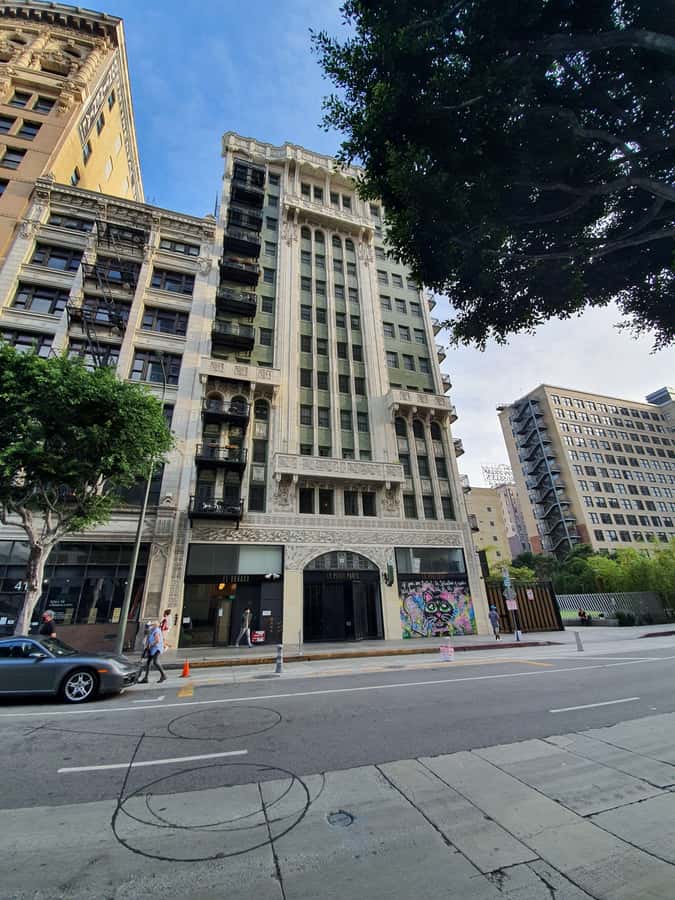
Next up is The Last Bookstore, another stop built for atmosphere rather than stats. It’s included because it changes the texture of the walk—less about monumental architecture, more about culture you can touch.
A bookstore also creates a different kind of history lesson. Instead of focusing only on famous buildings, you start thinking about what people collect, preserve, and share. And because it’s a quirky, memorable place, it’s easy to remember the walk as more than a series of screenshots.
You’ll get time there—again, about 20 minutes—so you can browse a bit, take photos, and shift gears before the final stretch.
The names you carry out of DTLA
One neat part of this tour is that it connects LA to a mix of global and pop-culture references. You’ll hear how the city links to global influences and how certain famous figures show up in the story of DTLA’s public image.
That doesn’t mean you’re turning this into a celebrity tour. The way the guide frames it, names become shortcuts to bigger ideas: what LA promised different eras of visitors, why DTLA became a magnet, and why the city keeps reinventing its identity.
Price and value: $30 for 150 minutes of city-design talk
At about $30 per person for 150 minutes, this can be good value if you want more than basic sightseeing. A walking tour like this is strongest when a guide’s explanations actually change how you see the buildings—and the format here is designed for that with conversation rather than one-way storytelling.
If you’re an architecture fan, the value stacks up because you’re getting time at key interiors like the Bradbury Building, plus stops that cover multiple styles (Art Deco, Beaux-Arts, and Modernist elements). If you’re not an architecture person, you still get hooks through film culture, civic design, and the Theater District’s role in LA’s myth-making.
One more practical angle: since the tour is concentrated in central DTLA, you’re not spending your whole trip commuting across town to find “the next thing.” You’re learning to read a neighborhood in one go.
Who should book this tour (and who should skip it)
This fits you well if you:
- like walking plus meaningful explanations
- enjoy architecture details and the stories behind design
- want LA context that connects local spaces to worldwide patterns
- want a tour that stays interactive, not stiff
You might skip it if:
- you’re traveling with a young child (it’s not suitable for children under 6)
- you need wheelchair access or mobility support (it’s not suitable for wheelchair users or people with mobility impairments)
- you have a super tight timeline, given that the pace can run longer than listed
Should you book this Downtown History & Architecture walk?
If you want DTLA to make sense—why certain buildings exist, how public spaces work, and how Hollywood culture grew out of real streets—this tour is an easy yes. The combination of architecture stops, theater storytelling, and a guide who uses a European/global lens makes it feel like more than the usual highlights loop.
Book it if you’re curious and willing to walk, and bring the basics so the outdoors part doesn’t derail you. If you’re short on time, just plan extra cushion since the walk may run a bit long.
FAQ
Where does the tour start?
You can start around Los Angeles Central Library (near 7th Street Metro). There’s also a starting option listed at the Grand Central Market Parking Garage. The meeting point may vary depending on the option booked.
How long is the Downtown history and architecture walking tour?
The duration is listed as 150 minutes.
What languages is the guide available in?
The live guide speaks English and French.
What should I bring for the walk?
Wear comfortable shoes and bring a hat, camera, sunscreen, and water. Check the weather forecast and dress appropriately.
Is the tour suitable for children or mobility needs?
It’s not suitable for children under 6. It’s also not suitable for people with mobility impairments or wheelchair users.
How much does it cost?
The price is listed as $30 per person.