REVIEW · LOS ANGELES
Black History Tours of South LA (Guided Van Tour) – Crenshaw
Book on Viator →Operated by A Great Day in South LA · Bookable on Viator
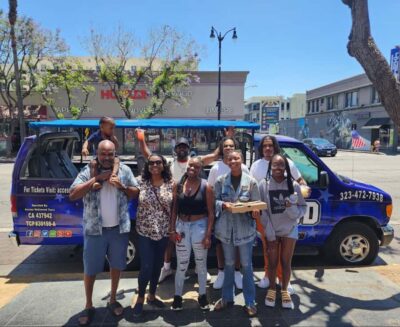
South LA has stories you can’t Google fast. This guided van tour pairs landmark cruising with an education-focused route through Crenshaw, Leimert Park, West Adams, Central Avenue, and View Park.
I like the small-group feel (max 3 travelers) because it keeps the tour from feeling rushed. I also like that the guides connect often-overlooked Black Los Angeles stories to the bigger LA picture.
One consideration: the tour depends on good weather, and it’s not recommended if you’re coming down with a cold or flu.
In This Review
- Key Highlights You’ll Care About
- Price and Timing: Is $69 a Smart Use of Time?
- Meet at Crenshaw: Starting With the Heartbeat of the Area
- Leimert Park Village: The Black Greenwich Village Angle
- West Adams: Historic Homes and Influential Black Angelenos
- Central Avenue Corridor: A Jazz District Glimpse
- View Park: City Views and Grand Neighborhood Architecture
- What Makes the Tour Feel Worth It: The Guide’s Connection
- Group Size, Vehicle Format, and How to Enjoy It
- Who This Tour Is Best For (and Who Might Prefer Another Style)
- Should You Book Black History Tours of South LA (Guided Van Tour) – Crenshaw?
- FAQ
- Where does the tour start?
- How long is the guided van tour?
- What does it cost?
- What neighborhoods or areas do you visit?
- Is the ticket mobile?
- How many people are in the group?
- Is service animal access allowed?
- Is it close to public transportation?
- What’s the weather requirement?
- Is it okay if I have a cold or flu?
Key Highlights You’ll Care About
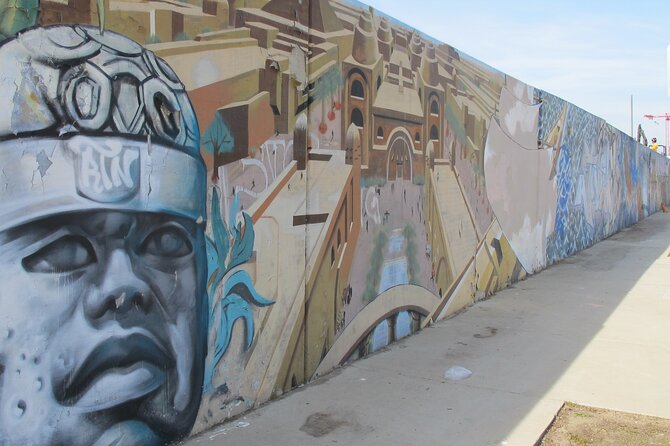
- Max 3 travelers means more back-and-forth and less time stuck waiting.
- A guided van route lets you cover multiple neighborhoods in about four hours.
- Crenshaw to Central Avenue gives you a clear line from local institutions to the jazz corridor.
- Leimert Park Village is treated like a cultural center, often called the Black Greenwich Village.
- West Adams and View Park add architectural variety plus big-city viewpoints.
- Designed around local connections and support for community businesses and initiatives.
Price and Timing: Is $69 a Smart Use of Time?
At $69 for about 4 hours, this tour sits in the category of “worth it if you want guided context.” You’re paying for more than driving past buildings. You’re paying for a route built around interpretation—what you’re seeing, why it matters, and how it fits into the broader story of Los Angeles.
The mobile ticket and the start at 3860 Crenshaw Blvd make it easy to plan. And because it’s only about four hours, you can pair it with a meal in the area afterward without losing your whole day.
If you prefer slow, walk-everywhere sightseeing, this might feel different. But if you want efficient coverage with a guide’s explanations, the van format is a win.
You can also read our reviews of more guided tours in Los Angeles


Meet at Crenshaw: Starting With the Heartbeat of the Area
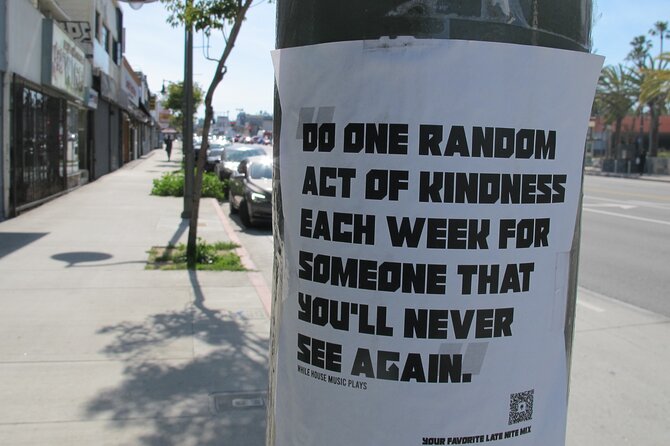
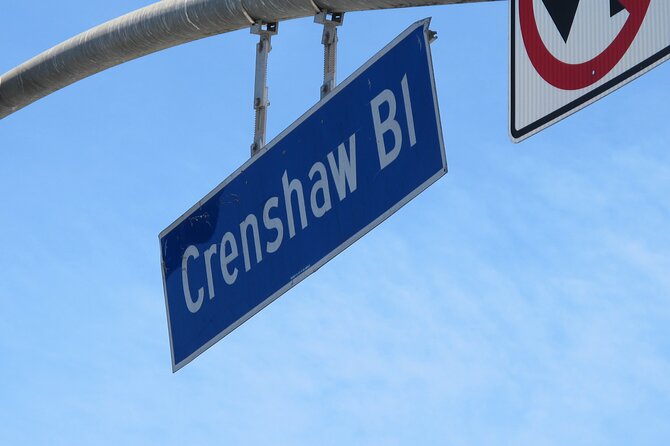
You begin at 3860 Crenshaw Blvd, Los Angeles, CA 90008, and the tour starts by cruising Crenshaw Boulevard to spot historic buildings and organizations tied to Black Los Angeles. The value here is the order: you start with a corridor that many people pass through without fully understanding what shaped it.
This early stretch also sets expectations for the day. You’ll be looking at storefronts, institutions, and architectural clues with new questions in mind—who was here, what they built, and what changed over time.
One practical tip: bring sunglasses and a light layer. You’ll be spending a good chunk of the tour riding and looking out, so comfort matters.
Leimert Park Village: The Black Greenwich Village Angle
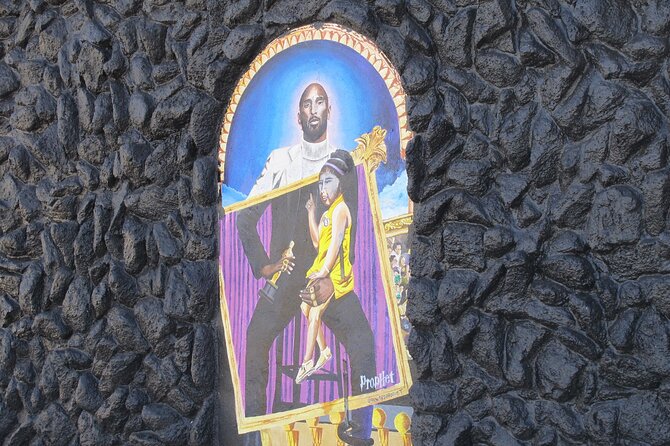
Next up is Leimert Park Village, where the tour highlights the idea of a Black Greenwich Village—a place known for culture, art, and community energy. Even if you’ve heard of Leimert Park, the guided framing helps you notice details you might otherwise skip: the way the neighborhood functions as a gathering point, not just a collection of streets.
Leimert Park is a strong middle stop because it’s less about single buildings and more about place identity. You’re effectively being taught how to read a neighborhood—how people use it, how it became known, and why that reputation matters.
If you love arts and culture, this is usually the part that makes the whole tour click. If you’re more of a architecture-and-streets person, you’ll still get something here: cultural districts often leave visible patterns behind, from design choices to how blocks feel.
West Adams: Historic Homes and Influential Black Angelenos
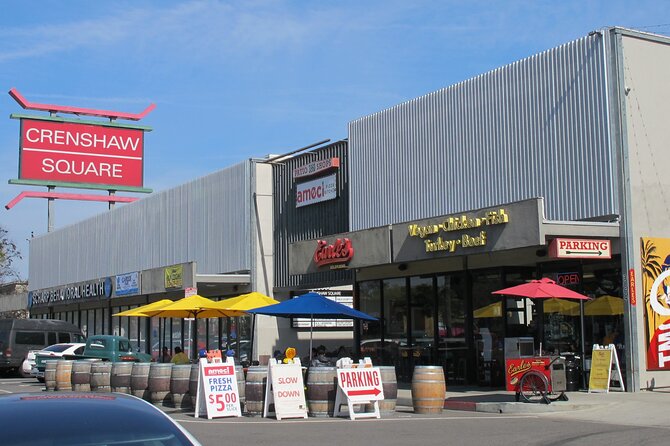
Then you cruise through Historic West Adams to see historic homes and learn about the history of influential Black Angelenos. This stop shifts the tone. Instead of focusing mainly on cultural activity, the guide’s emphasis moves toward people, legacy, and the built environment.
West Adams can be eye-opening because historic home districts often get attention for style, while the stories of who lived there—and how those lives intersected with LA’s growth—are easier to miss. A good guide makes those connections clear by tying houses and neighborhoods to real lives and real impact.
Practical consideration: if you’re sensitive to motion or long periods in a vehicle, this is the portion where you might want to be ready with water and a comfortable seat position. The tour is short overall, but you’ll still be cruising through changing street views.
Central Avenue Corridor: A Jazz District Glimpse
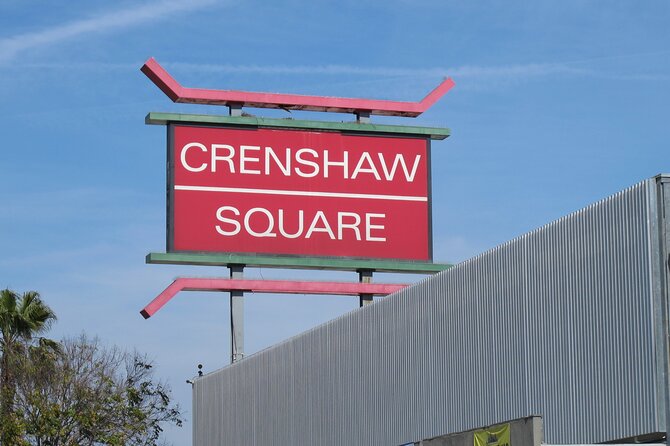
After West Adams, you head down the Historic Central Avenue Corridor. This is where the tour leans into the jazz district story—historic places and the kind of cultural life that made Central Avenue a major reference point for music and community.
I like stops like this because they show how history moves. It’s not only about dates or famous names. It’s also about locations acting like stages—blocks where creativity, business, and community all reinforced each other.
Since this part is about glimpses from the car, don’t expect a museum-style stop. Instead, treat it like an orientation lesson. You’ll leave with a better sense of where to point your curiosity next time you return, whether for a stroll or for additional research.
If you’re a music lover, keep your brain in “map mode.” You’re building a mental route of cultural influence that you can reference later.
You can also read our reviews of more historical tours in Los Angeles






View Park: City Views and Grand Neighborhood Architecture
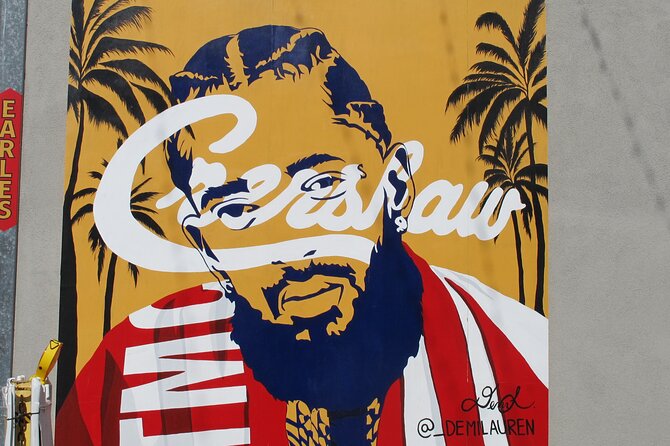
The final neighborhood highlighted is View Park, where you catch city views and grand architecture as part of the tour experience. This is a good closing act because it changes the vibe again—from historic corridors and cultural identity to visual scale and neighborhood form.
View Park matters here because it broadens the story beyond a single theme. LA’s Black history isn’t only about one district or one kind of landmark. You get evidence of diversity in neighborhood design, community space, and the way different areas contribute to the larger city.
Also, the views can reset your perspective. After several stops where the emotional focus is story and legacy, it’s helpful to end with scenery that helps you remember the geography of what you learned.
What Makes the Tour Feel Worth It: The Guide’s Connection
This tour isn’t presented as a list of facts. The intention is to connect Black Los Angeles stories to the broader LA narrative, so your brain builds relationships instead of isolated snippets.
That approach matters because neighborhoods are interconnected. When a guide explains how communities shaped institutions and culture, you start to see the city as a set of overlapping stories—rather than separate places you pass through.
The reviews also reflect that kind of effect. People praise the tour for being detailed, well thought out, and genuinely educational—plus for bringing energy that makes the subject feel personal rather than distant. If you want more than surface sightseeing, this is the right style.
Just keep your expectations aligned: it’s cruising by van, so you’ll spend more time absorbing interpretation than standing on sidewalks reading interpretive plaques.
Group Size, Vehicle Format, and How to Enjoy It
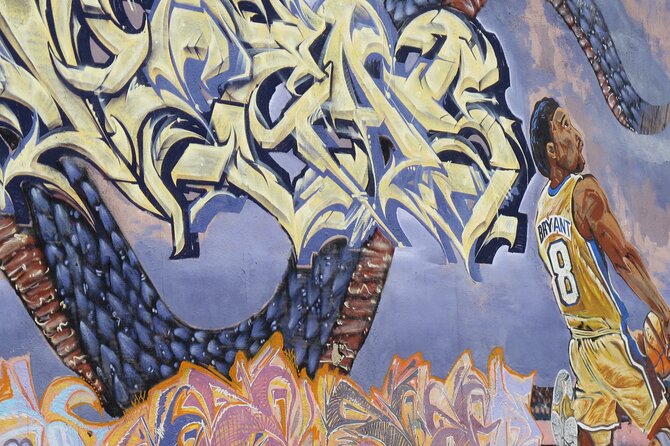
With a maximum of 3 travelers, the vibe is closer to a focused guided outing than a big bus tour. That usually means you can ask questions more easily and you won’t get swallowed by a large group’s pace.
The vehicle format also changes how you should pack mentally. Instead of “I have to see everything,” think “I’m collecting impressions and context.” You’ll probably remember the big ideas more than the exact address of each place—and that’s actually a feature, not a bug.
What to bring:
- Water, especially if it’s warm.
- Comfortable shoes even though much of the time is seated.
- A light layer for the start and end, since evenings in LA can cool off.
Who This Tour Is Best For (and Who Might Prefer Another Style)
This guided van tour is a great fit if you:
- Want an organized way to understand South LA neighborhoods without spending your whole day hopping around.
- Appreciate context about Black Los Angeles contributions to the city’s story.
- Prefer comfort and efficiency over constant walking.
It may be less ideal if you strongly prefer hands-on exploration—lots of stops you can step out of, lots of time on foot, or extended photo stops. This tour is built to move you between areas and give you a guided reading of what you see from the road.
And if you’re under the weather, note that it’s not recommended for travelers with cold or flu. Plan for a day when you can fully enjoy explanations and attention to detail.
Should You Book Black History Tours of South LA (Guided Van Tour) – Crenshaw?
I’d book it if you want guided context in a manageable chunk of time. The route logic—Crenshaw, Leimert Park Village, West Adams, Central Avenue, and View Park—gives you both cultural and neighborhood perspective. And at $69, you’re paying for interpretation and efficient movement through multiple areas, not just transportation.
I’d skip it or consider another format if you want a long walking itinerary or if you’re highly weather-dependent on the day you plan to go. Since it requires good weather, pick a date when the forecast looks friendly.
If you’re curious about Black Los Angeles and you like tours that connect what you see to why it matters, this one is a strong choice.
FAQ
Where does the tour start?
The start point is 3860 Crenshaw Blvd, Los Angeles, CA 90008.
How long is the guided van tour?
It runs for about 4 hours.
What does it cost?
The price is $69.
What neighborhoods or areas do you visit?
You’ll cruise through Crenshaw Boulevard, Leimert Park Village, Historic West Adams, the Historic Central Avenue Corridor, and View Park.
Is the ticket mobile?
Yes, you’ll have a mobile ticket.
How many people are in the group?
There is a maximum of 3 travelers.
Is service animal access allowed?
Yes, service animals are allowed.
Is it close to public transportation?
Yes, it is listed as being near public transportation.
What’s the weather requirement?
The tour requires good weather. If it’s canceled due to poor weather, you’ll be offered a different date or a full refund.
Is it okay if I have a cold or flu?
It is not recommended for travelers with a cold or flu.
—
If you want, tell me your travel dates and whether you’re more into architecture, music, or community history, and I’ll suggest the best way to plan food and a follow-up stop nearby.