REVIEW · LOS ANGELES
L.A. Mafia History Tour: Gangsters, Mobsters & Crime Legends
Book on Viator →Operated by Grave Line Tours · Bookable on Viator
Hollywood has a darker side. This tour tracks it through Hollywood’s Art Deco landmarks, mob hideouts, and movie-industry power brokers. I like how the stops connect the Mafia to the glamour of Tinseltown, not as a vague theme but through specific places and names. Blaze (the guide name I saw in multiple reviews) brings energy and a sharp sense of timing, which helps the stories land fast. One thing to consider: this is true-crime themed, and it’s not ideal if you get easily upset by disturbing material.
What also works is the mix of Hollywood mythology with real-world underworld history. You’ll move from famous movie discovery lore to the men who profited off Hollywood’s chaos—often in the same neighborhood, sometimes in the same building type. The small group size (up to 8) keeps it from feeling like a rushed bus parade.
My only real drawback is the nature of the content: if you’re looking for a light, casual Hollywood walk, this isn’t it. If you want a straightforward entertainment-park version of Hollywood history, you’ll probably prefer a different kind of tour.
In This Review
- Key points worth knowing before you book
- Hollywood Mafia history: why these specific stops matter
- Meeting at 6801 Hollywood Blvd and what the 3-hour schedule feels like
- The Hollywood corner office: Handsome Johnny Roselli and Hollywood glamour’s edge
- Hollywood YMCA: Mickey Cohen meets Bugsy Siegel in a tense turning point
- The Hollywood Reporter headquarters and Billy Wilkerson, the Hollywood Godfather
- Lana Turner’s discovery spot and the glamour vs crime contrast
- Crossroads of the World: Charlie Crawford, bootlegging, and Prohibition’s shadow
- Formosa Cafe and the Hollywood Syndicate HQ, including Bugsy Siegel’s vault
- Labor battles on studio grounds: when money and power turned violent
- Surveilled residences and the Horse Head scene house: mob glamour with receipts
- Small-group storytelling with Blaze: how the guide changes the experience
- Price and time: is $93.08 worth 3 hours of LA underworld sites?
- Who should book this tour, and who should skip it
- Should you book the L.A. Mafia History Tour?
- FAQ
- How long is the L.A. Mafia History Tour?
- Where does the tour start and where does it end?
- What language is the tour offered in?
- What’s included in the price?
- Is the tour suitable for emotionally sensitive travelers?
- Is the tour weather-dependent, and what happens if it’s canceled?
Key points worth knowing before you book
- Small group (max 8) means more time for questions and less time waiting.
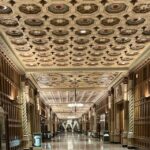
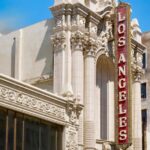
- Art Deco Hollywood stops put the Mafia story in the same architectural backdrop as film-industry power.
- Formosa Cafe and a mob vault are built into the route, with admission noted as free at that stop.
- A guide-led ride keeps the facts organized, including connections between mobsters and the studio world.
- A short restroom break is built in (refreshments/snacks are not included).
- True-crime content means it’s not the best fit for emotionally sensitive travelers.
Hollywood Mafia history: why these specific stops matter
This isn’t a generic “gangsters in LA” sweep. It’s built around locations where Hollywood’s image and the mob’s operations crossed paths—sometimes literally in the same zip code, within a short ride of one another. You get the sense that the city’s glitz didn’t just sit beside crime; in places, it depended on it.
The best part is how the tour treats Hollywood like a power system. You’re not just hearing who was famous; you’re seeing where influence was negotiated—through media offices, social hubs, and backroom meeting spaces. That’s what makes it feel practical, not just spooky.
Also, the route leans into the visual side of Hollywood. Many of these places are known landmarks now, but the stories attached to them are the real hook—especially when you connect famous names to the settings where decisions were made.
You can also read our reviews of more historical tours in Los Angeles


Meeting at 6801 Hollywood Blvd and what the 3-hour schedule feels like
You start at 6801 Hollywood Blvd, Hollywood, with the tour running about 3 hours (starting at 2:30 pm). The experience ends back at the meeting point, which makes planning the rest of your evening simple.
Because the group is limited to 8 travelers, the pacing feels tighter and more conversation-friendly. If you’re the type who likes to ask one follow-up question when something clicks, this format helps. You’re also getting a mobile ticket plus access to visual background material if you’re traveling with a smartphone and data.
One small practical note: there’s a planned 15-minute break for restrooms and refreshments, but snacks are sold separately. If you snack on the run, you’ll probably want to arrive ready to eat or plan to buy something during that break.
The Hollywood corner office: Handsome Johnny Roselli and Hollywood glamour’s edge
One early stop spotlights an Art Deco Hollywood landmark where “Handsome Johnny” Roselli once had the corner office. This isn’t presented as a costume-drama version of the mob story. It’s framed as the moment where organized-crime muscle met the movie industry’s smooth front doors.
Why it’s a strong start: you get your bearings—literally and historically. Art Deco buildings have a clean, stylish look, so the contrast with the mob angle hits immediately. You’ll start noticing how Hollywood’s “official” spaces can hide unofficial power.
If you like true crime through architecture and place-based storytelling, this stop sets the tone for the rest of the ride.
Hollywood YMCA: Mickey Cohen meets Bugsy Siegel in a tense turning point

Next comes the Hollywood YMCA, a building that sounds like a random stop until you hear why it mattered. This is described as the setting for the first and famously tense meeting between Mickey Cohen and Bugsy Siegel.
This stop works because it shows how mob power didn’t always play out in cinemas or boardrooms. It also played out in ordinary-looking social spaces where men could meet without the official shine. You get the sense that the city’s power moves often happened in places that weren’t trying to be important.
Even if you already know those names, the idea of a locker-room setting adds texture. It makes the story feel grounded in human behavior—meetings, negotiation, friction.
The Hollywood Reporter headquarters and Billy Wilkerson, the Hollywood Godfather
Then you step into the original headquarters of The Hollywood Reporter, tied to founder Billy Wilkerson, nicknamed The Hollywood Godfather. The point here isn’t just that he was media-famous—it’s that he shaped power dynamics in Tinseltown through the influence of his publishing operation.
This stop is valuable if you care about how information becomes power. Media can make or break careers, and in a city like LA, attention moves money. Seeing the publishing HQ in context helps you understand why the mob wasn’t the only player chasing leverage.
It also adds balance to the tour. Hollywood crime stories often focus on violence. This one widens the frame to include the business side—who controlled narratives, and how that control affected outcomes.
Lana Turner’s discovery spot and the glamour vs crime contrast
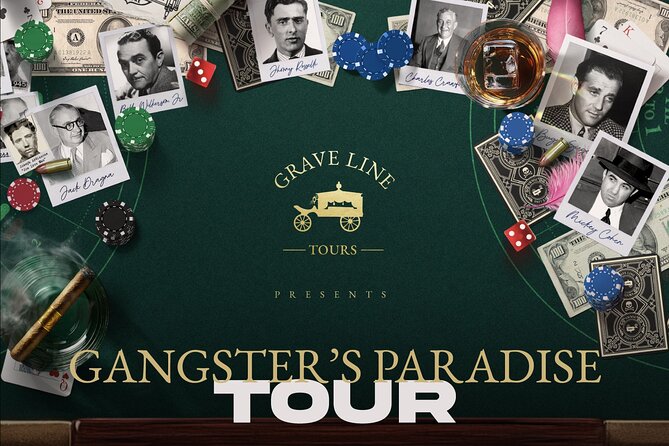
You’ll also pass by the former site of Tops Café, the soda fountain where Lana Turner was famously discovered. This is a very different flavor from the mob stops, and that contrast is intentional.
In a tour like this, the discovery story matters because it shows LA’s dream engine at work. People came looking for stardom, and the city’s hunger for new faces created real openings. When you place that next to mob history, you start seeing a shared theme: opportunity attracts attention, and attention can be exploited.
This is one of the stops where you’ll likely want to take photos of the streetscape and then let the story do the heavy lifting. The landmark vibe helps you connect the era’s mood to the facts.
Crossroads of the World: Charlie Crawford, bootlegging, and Prohibition’s shadow
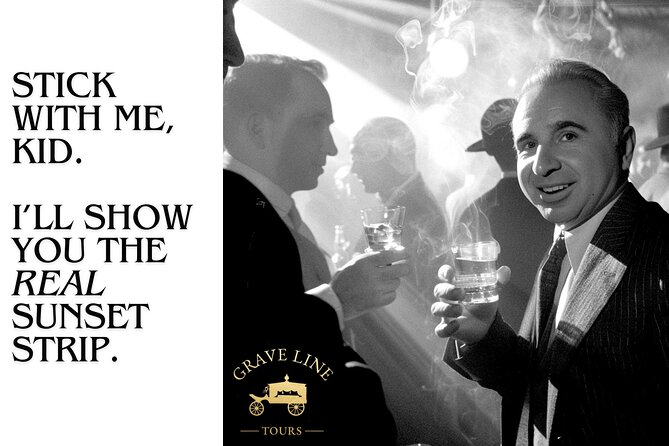
Another standout is Hollywood’s Crossroads of the World, a striking landmark built on the site where notorious bootlegger Charlie Crawford met his violent end. Even without going deep into every Prohibition-era detail, this stop gives you the sense of cause and consequence.
The tour frames it as a clash: old-Hollywood elegance versus the darker underworld that powered bootlegging and crime networks. This is one of those places where the building looks glamorous now, but the story behind it pulls you into a different emotional register.
If you’re interested in how LA’s early crime infrastructure fed later Hollywood-era power, this is an important piece of the puzzle.
Formosa Cafe and the Hollywood Syndicate HQ, including Bugsy Siegel’s vault
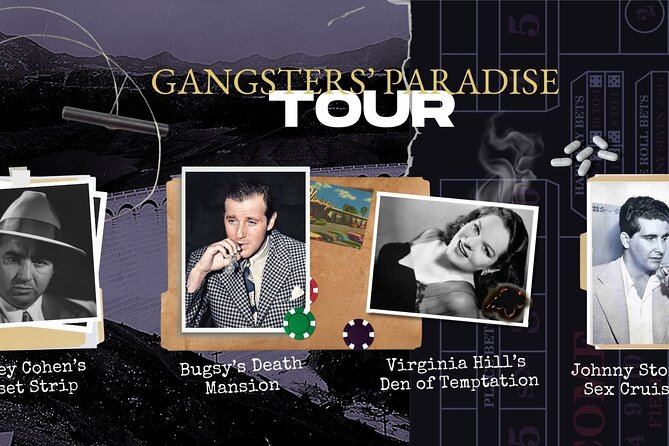
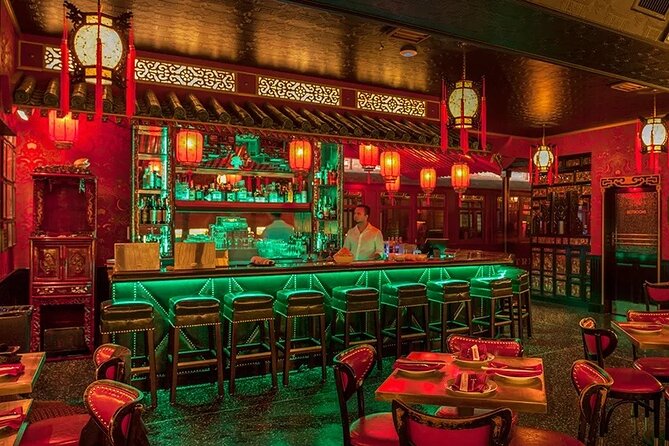
Now you get into what feels like the tour’s most hands-on stop: Formosa Cafe, described as the real-life headquarters of the Hollywood Syndicate. This is where you can explore the original vault used for secret gambling operations connected to Bugsy Siegel.
This is also the kind of stop that makes a guide’s storytelling matter. A vault is already a physical object, but it becomes meaningful because the tour ties it to the operational side of mob life—not just legends. The information helps you picture how secrecy worked in practice.
The visit is noted as about 20 minutes, with admission ticket marked free for that stop. That’s a nice value element because it prevents you from wondering what costs are still coming.
Labor battles on studio grounds: when money and power turned violent
The next stop shifts into a darker chapter of Hollywood’s labor history. You’ll see the former studio lot where labor union battles erupted under the influence of the Hollywood Syndicate’s organized crime network.
This is one of the tour’s most useful “wake-up” moments. It’s easy to treat mob stories as separate from everyday economics. Here, you see how criminal networks can affect workplace power struggles, not just nightlife drama.
If you care about why Hollywood’s labor tensions were so intense, this stop helps explain the stakes. It also gives your tour narrative a bigger shape—this isn’t only about who got killed, but about how control worked.
Surveilled residences and the Horse Head scene house: mob glamour with receipts
Later, the tour keeps moving between crime bosses and the places they called home.
You’ll visit the former residence of Handsome Johnny Roselli, described as a suave fixer who bridged Hollywood, Las Vegas, and organized crime. The stop also notes constant FBI surveillance, which turns the house location into a story about pressure and risk—not just comfort.
Then you’ll see Virginia Hill’s first Los Angeles residence. The tour frames it as her glamorous hideout as she rose from a small-town girl to a famous mob courier in Hollywood’s underworld. The contrast is part of the point: it looks like a normal elegant address, but it’s linked to classic Hollywood scandal-level consequences.
And yes, you’ll also see the house where the infamous horse head scene from The Godfather was filmed. This is one of those Hollywood moments where the street becomes a movie prop. If you like connecting fiction to real-world filming locations, this stop adds extra fun.
Small-group storytelling with Blaze: how the guide changes the experience
The vibe I picked up from the experience feedback is that Blaze doesn’t just recite facts. She’s described as witty and focused on the atmosphere of the LA mob scene, which matters because these stories can get heavy fast.
In a group of up to 8, the guide can keep pace while still making the ride feel personal. One person can ask about a name, another can ask about a building, and you’re not stuck in silence while the bus rolls on.
That matters for two reasons. First, mob history has lots of names and overlapping roles, so a clear narrative thread helps. Second, the tour includes content that some people will find emotionally tough, so tone and pacing are key to keeping it understandable instead of chaotic.
Price and time: is $93.08 worth 3 hours of LA underworld sites?
At $93.08 per person for about 3 hours, you’re paying for three things: transportation during the ride, a guide, and a route built around specific sites—not just general history. The small group size and the number of meaningful stops also play into the value. With only up to 8 travelers, the guide isn’t stretched thin across a crowd.
There are also practical inclusions that help justify the cost. You get access to visual background material on your phone (if you have data), plus a 15-minute break. At least one stop (Formosa Cafe) is listed with free admission, which can add real value.
If your main goal is to learn true crime and you want to spend your time seeing places with strong connections to the stories, this price can feel fair. If you’re hoping for a low-effort “drive-by” experience with minimal story, you’ll want to consider whether a different tour style matches your expectations better.
Who should book this tour, and who should skip it
This tour is a good fit if you like:
- Hollywood history tied to specific buildings and addresses
- Mafia stories that intersect media, labor, and the entertainment industry
- A guide-led ride that keeps details organized and entertaining
It’s not the best match if you:
- Easily get upset by disturbing true-crime material
- Want strictly light sightseeing without darker content
Most travelers can participate, and service animals are allowed. It’s also noted as being near public transportation, which is helpful if you don’t want to rely on parking.
One more practical point: this experience requires good weather. If LA weather is questionable on the day you want to go, you’ll want to build in flexibility.
Should you book the L.A. Mafia History Tour?
I’d book it if you want Hollywood history with a real underworld backbone. The mix of mob meeting spaces, major media influence, and recognizable movie-era locations gives you a route that feels like more than a theme—it feels like a city map of power.
I would skip it if you’re doing a first-time LA trip and you’d rather prioritize classic attractions over crime-adjacent stops. Also skip if true-crime content hits you hard.
If you’re choosing between quick tours and deeper ones, this strikes a nice balance: enough time for a guided story, not so long that you feel stuck. And if Blaze is guiding on your date, you’re likely in for a ride where the details stay clear and the atmosphere stays fun without losing the point.
FAQ
How long is the L.A. Mafia History Tour?
It runs for about 3 hours.
Where does the tour start and where does it end?
The tour starts at 6801 Hollywood Blvd, Hollywood, CA 90028, and it ends back at the same meeting point.
What language is the tour offered in?
The tour is offered in English.
What’s included in the price?
Included are access to visual background material (for smart phones with data), a 15-minute break for restrooms and refreshments (refreshments/snacks aren’t included), a guide, and the 3-hour gangster tour.
Is the tour suitable for emotionally sensitive travelers?
It is not recommended for travelers who are easily upset or emotionally sensitive to true crime materials.
Is the tour weather-dependent, and what happens if it’s canceled?
The experience requires good weather. If it’s canceled due to poor weather, you’ll be offered a different date or a full refund.