REVIEW · LOS ANGELES
Los Angeles: Arts District Street Art, Graffiti Walking Tour
Book on GetYourGuide →Operated by LA Art Tours · Bookable on GetYourGuide
Los Angeles street art teaches if you look close. On this Arts District street-art walk, you’re not just snapping photos—you’re learning how and why the walls got the way they did, from big murals to tiny tags. I especially love that the guide is a real, longtime street artist from the neighborhood and that you’ll see 100+ individual works in just two hours. One possible drawback: timing and delivery can vary, and if you want mostly large, unmistakable graffiti pieces, you may find some stops lean more toward lettering and smaller marks.
You’ll start at the corner of Colyton and Palmetto, then work your way through a tight loop of iconic Stops like ArtShare and The Container Yard, ending back at 527 Colyton St. The tour is in English, wheelchair accessible, and runs on foot—so comfortable shoes and water matter. And if you’re in town on Sunday, there’s an optional add-on where you can try stencil cutting and spray can painting with the materials provided.
In This Review
- Key things to know before you go
- Meet at Colyton and Palmetto: logistics that keep your walk stress-free
- What the guide actually brings: history, technique, and decoding street art
- The loop through Arts District icons: what each stop contributes
- ArtShare: where community art culture meets the walls
- The Container Yard: street art you can see at a glance
- Arts District Co-op: community presence you can browse after
- The American Hotel: a stop tied to the district’s creative layers
- Joel Bloom’s Spot: when street art connects to people
- The former site of Al’s Bar: reminders that the scene evolves
- Over 100 works in two hours: how to pace your looking
- Technique and references: the art you learn to recognize
- Sunday add-on: stencil cutting and spray can painting workshop
- Price and value: is $20 fair for 2 hours of street-art access?
- Who this tour suits best—and who should adjust expectations
- Should you book this Arts District street-art walk?
- FAQ
- How long is the walking tour?
- What does the tour cost?
- Where is the meeting point?
- Where does the tour end?
- Is the tour wheelchair accessible?
- What language is the tour guide?
- What should I bring?
- What’s included in the price?
- What is the Sunday add-on?
- Is there a cancellation option?
Key things to know before you go
- A real street-artist guide explains the art from inside the scene, not from a script
- 100+ works in two hours means quick, focused stops—bring your camera
- Iconic Arts District locations like ArtShare and The Container Yard anchor the route
- Lots of styles covered from building-sized murals to tags, yarn bombs, and more
- Technique + decoding helps you read street art instead of just watching it
- Sunday workshop option adds hands-on stencil and spray can practice
Meet at Colyton and Palmetto: logistics that keep your walk stress-free

Your tour meets at the green benches at the corner of Colyton and Palmetto. The address given for mapping is 527 Colyton St, but the key is that corner—don’t wander around nearby blocks. Also, don’t bother the tenants in the building you’re meeting in front of. If you have trouble finding the corner, call for help.
This start point matters because the whole experience is built on momentum. You’re walking and viewing continually for about two hours, so arriving a few minutes early helps you settle in without rushing. If you’re prone to walking slowly to take photos, plan on keeping your pace steady. That’s the difference between seeing “a few highlights” and actually catching the scale of what’s out there.
Before you go, I’d treat it like a practical photo walk:
- Wear comfortable shoes (the route is designed for walking)
- Bring water and sunscreen
- Bring a camera (the art varies a lot in size and detail)
You can also read our reviews of more walking tours in Los Angeles


What the guide actually brings: history, technique, and decoding street art
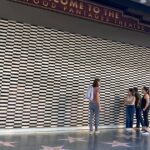
The best part of this tour is the point of view. The guide is described as a real artist and longtime member of the Arts District community, creating art there for decades. That background shows up in how they talk about murals, graffiti, and the culture around them.
Instead of just listing artists, you get a blend of:
- Urban art history and technique
- How different styles communicate
- Context on the artists who built the district’s reputation over time
- Explanations that help you read details you might otherwise miss
One theme I like here is that it’s not only about famous names. You’ll look at work from local masters and globally recognized talents—but you’ll also learn how to pay attention to the smallest stuff: tags, and even things like yarn bombs (when they’re part of the route you see). That matters because a street-art neighborhood isn’t one mural. It’s layers.
You can also expect the tour to feel personal. The local-art setting means your guide may talk about working in the scene, collaborating, and the rivalries and friendships that come with being active in public art. If you prefer strictly academic tours, that style difference is something to keep in mind.
The loop through Arts District icons: what each stop contributes
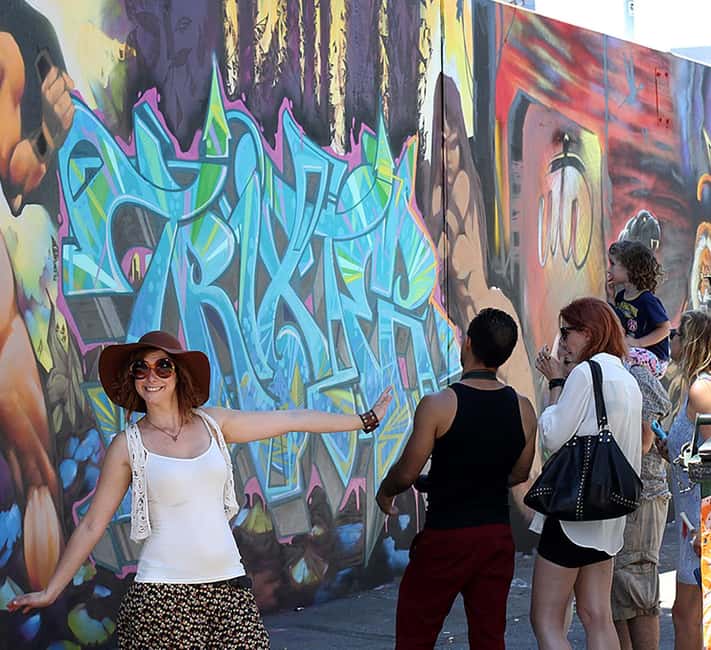
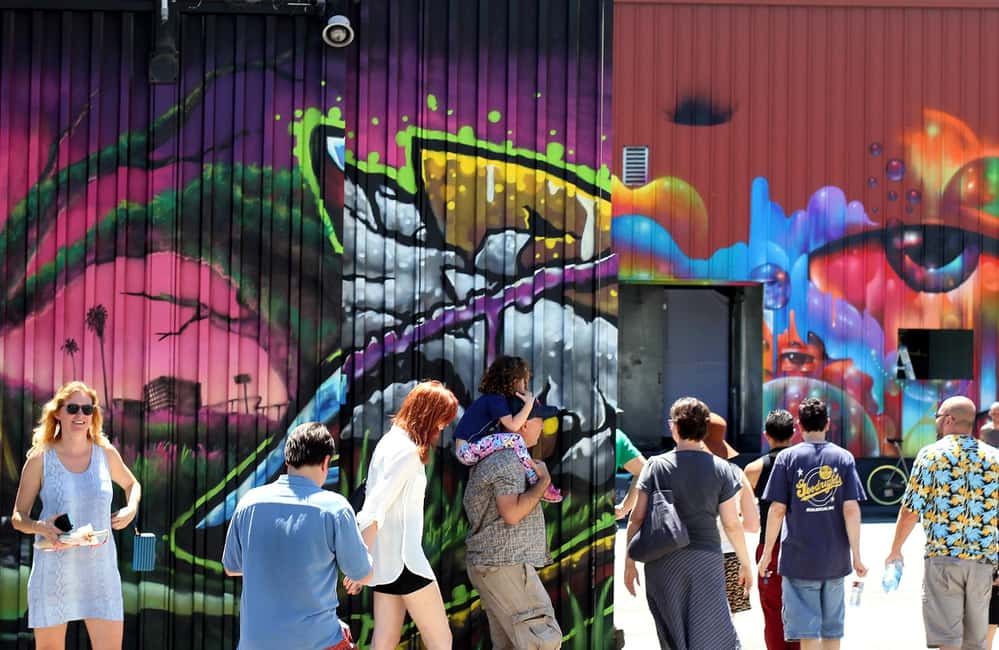
This walk is built around visiting recognized spots in the Arts District, while your guide connects each location to the bigger story of the neighborhood’s creative community. You’ll see a lot of art, but the “why these buildings/areas matter” part is what turns it from a photo stop into an understanding.
ArtShare: where community art culture meets the walls
You’ll visit ArtShare, which is one of those names that carries weight in Arts District conversations. On this tour, it’s less about a checklist and more about how the space fits into the district’s identity. Your guide points out how public-facing art organizations relate to what you see on nearby buildings—like how murals grow out of community momentum.
The practical upside: it gives you a natural anchor point. When you’re walking past dozens of surfaces, having a named stop helps you keep the district’s layout straight.
The Container Yard: street art you can see at a glance
Next up is The Container Yard, another iconic stop on the route. This is the kind of location that makes street art feel immediate. In a short tour, you want at least one area where the visual impact is strong and fast. The Container Yard delivers that.
Your guide also helps you connect what you’re seeing to broader street-art culture: how the district became a place artists return to, and how different styles coexist in the same neighborhood.




Arts District Co-op: community presence you can browse after
You’ll also visit Arts District Co-op. The tour ends back at the starting point, and you’ll have a chance to browse around there depending on timing. That’s a smart setup: you finish the walking portion with context, then you can stick around longer on your own if you want to keep exploring.
The American Hotel: a stop tied to the district’s creative layers
You’ll make a stop at The American Hotel. Even without heavy commentary from the building itself, your guide uses it as part of the larger map of where art shows up and how the district changed over time. Think of it as a visual waypoint—one more part of the neighborhood’s identity.
Joel Bloom’s Spot: when street art connects to people
Another notable stop is Joel Bloom’s Spot. You won’t just see walls here; you’ll hear how this spot fits into the story of the neighborhood’s creative community. That kind of “person-to-place” connection helps you understand street art as more than decoration.
The former site of Al’s Bar: reminders that the scene evolves
You’ll also visit the former site of Al’s Bar. This is the type of detail that makes a street-art tour feel honest. Public art doesn’t exist in a bubble. It’s tied to institutions that open and close, neighborhoods that change, and artists who keep going anyway.
If you love urban history (even in a casual way), this stop gives you that extra layer: the art you see today sits on top of what used to be there.
Over 100 works in two hours: how to pace your looking
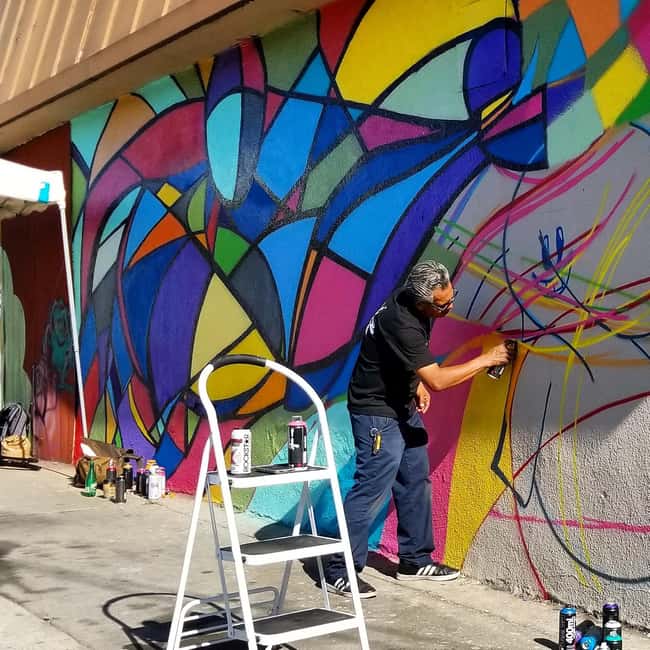
Seeing over 100 individual works in 2 hours is the definition of “small look, big picture.” You’ll spend less time than you would on a museum gallery with slow wandering. The goal is coverage: big murals, mid-sized pieces, and smaller details that add up to the district’s personality.
Here’s the practical way to get the most out of it:
- Expect quick photo stops, not long stand-still sessions
- Use your camera to capture both the big image and close details when you can
- Let your guide point out what to notice before you zoom in with your eyes
A balanced note: one concern that comes up with this format is that some routes may show more lettering and smaller works than visitors expect if they’re chasing only the largest, face-stopping graffiti. If that’s you, keep your expectations flexible. The art scene works in layers, and the tour is built to teach you to see those layers, not just to chase scale.
Technique and references: the art you learn to recognize
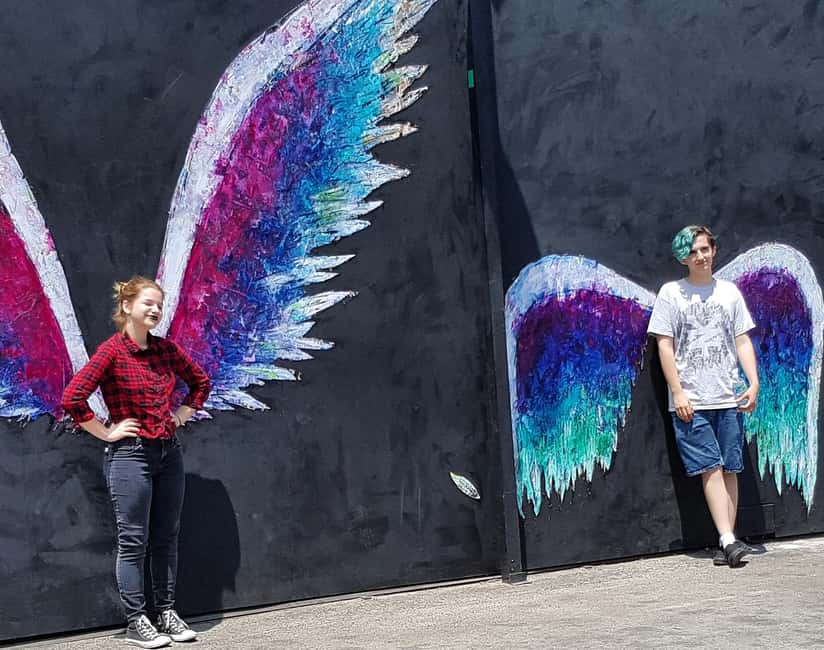
The tour doesn’t just show murals. It also gives you background on art techniques and how street art communicates. That includes:
- Urban art history (how the district fits into Los Angeles’s larger creative story)
- Techniques tied to styles you’ll see in the neighborhood
- “Art decoding,” so you start recognizing patterns and meanings
You’ll also encounter different types of work across surfaces—from building-sized murals to hidden treasures that you’d likely miss without guidance. The “hidden” part is important. Street art is often placed at odd angles, at street level, or tucked near corners. A local artist knows where the eye should go.
And even when you’re not sure what a piece means, technique clues help: style of lettering, placement, layering, and how different marks relate to each other across a block.
Sunday add-on: stencil cutting and spray can painting workshop
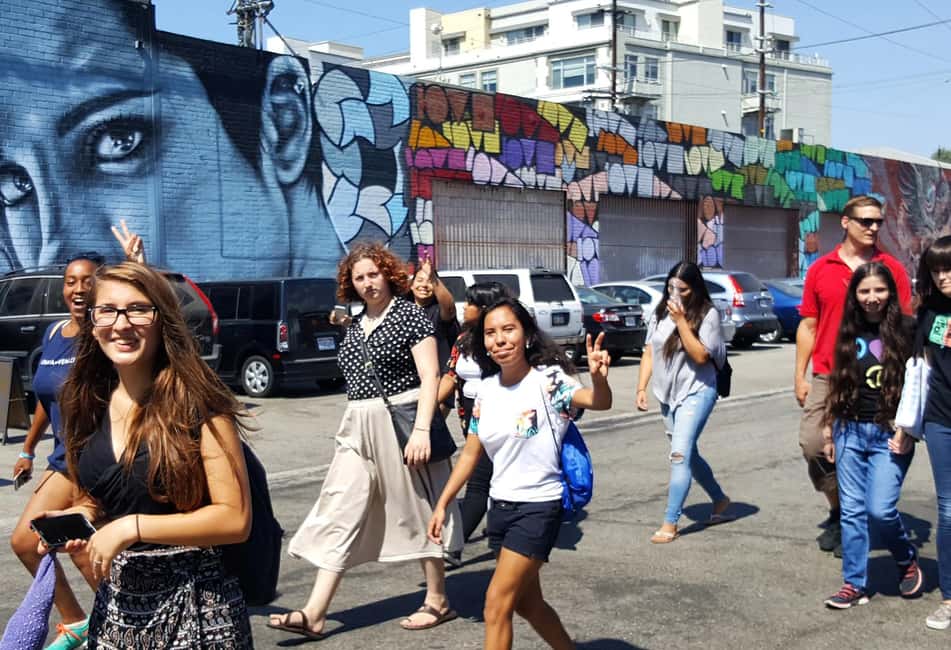
If you’re doing the Sunday version, there’s an option to add a hands-on spray can and stencil painting workshop. This is built for people who want to go beyond watching.
What you’ll do:
- Learn stencil cutting techniques
- Learn spray can painting techniques
- Make your own piece using materials provided
You can also bring items of clothing (like a t-shirt, sweatshirt, pants, or hat) to transform into graff fashion. That’s a fun option because it turns the tour into something you take home—your own art, not just photos.
This add-on is described as a good fit whether you want to share time with family and friends or enjoy it solo. If you’re a first-timer, that’s also fine; the workshop is set up for beginners who want instruction, not advanced production.
Price and value: is $20 fair for 2 hours of street-art access?
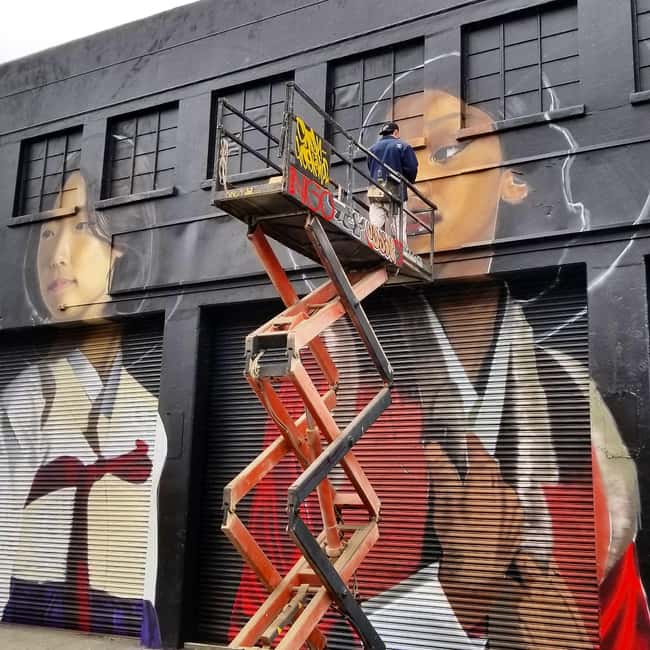
At $20 per person for a 2-hour walking tour, the value is strong—mainly because you’re paying for interpretation. You’re not only paying for movement between murals; you’re paying for a local street artist to explain the history, culture, and techniques tied to what you see.
You also get practical perks included with the price:
- A walking tour
- A local street artist guide
- Seeing 100+ individual works
- Visits to major stops like ArtShare and The Container Yard
In other words, the cost isn’t just for sights. It’s for context. And in street art, context is often the difference between enjoying a wall and really understanding it.
One caution for value: if a guide’s timing runs late or their delivery is more self-focused than you prefer, that can affect how you rate the experience. Still, the overall structure is well suited for first-time visitors who want a grounded introduction to the district.
Who this tour suits best—and who should adjust expectations
This is a great fit if you:
- Want a Downtown LA street-art experience that’s tied to real local voices
- Like learning how to read graffiti and murals (not just viewing them)
- Appreciate a route that covers many artworks in a short timeframe
- Are interested in the Arts District as a creative community, not a single famous wall
It may be less ideal if you:
- Only want the biggest, most photo-dominant murals
- Get impatient with tours that include a lot of story and personal perspective from the guide
- Need lots of quiet time at one single location (this tour moves to cover more than one stop)
Good to know: the tour is in English and is marked as wheelchair accessible, but it’s still a walking tour. Wear comfortable shoes and plan for steady movement.
Should you book this Arts District street-art walk?
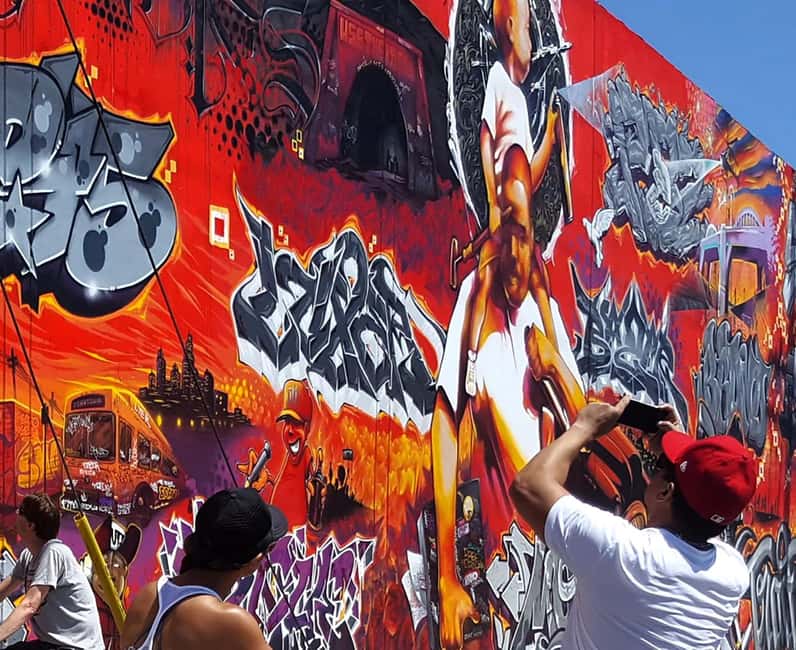
Book it if you want a smart, local-guided introduction to the Arts District and you like learning the “why” behind public art. For $20, the amount of visible artwork and the fact that you’re guided by a longtime artist active in the scene makes it a good value play—especially if you don’t already know the neighborhood.
I’d skip it only if your top priority is staying parked at a few massive murals for long stretches. This tour is designed for breadth: a fast, street-level education across more than a hundred pieces, with iconic stops tying the blocks together.
If you’re visiting on Sunday and you want a hands-on memory, the add-on stencil and spray can workshop is a strong bonus.
FAQ
How long is the walking tour?
The duration is 2 hours.
What does the tour cost?
The price is $20 per person.
Where is the meeting point?
The meeting point is at the green/benches at the corner of Colyton and Palmetto. The address of 527 Colyton St is for mapping purposes.
Where does the tour end?
The tour ends back where it started at 527 Colyton St.
Is the tour wheelchair accessible?
Yes, it is listed as wheelchair accessible.
What language is the tour guide?
The tour guide provides the tour in English.
What should I bring?
Bring comfortable walking shoes, a camera, sunscreen, and water.
What’s included in the price?
Included are the walking tour, a local street artist guide, seeing over 100 individual works of art, and visits to iconic spots like ArtShare and The Container Yard.
What is the Sunday add-on?
On Sundays, you can add a spray can and stencil painting workshop. It includes hands-on instruction for stencil cutting and spray can painting, with materials provided.
Is there a cancellation option?
Yes—free cancellation is offered up to 24 hours in advance for a full refund.