REVIEW · LOS ANGELES
Oscar History and Film Set Studio Tour at the Biltmore Hotel
Book on Viator →Bookable on Viator
Oscars start inside this downtown hotel. This 1-hour Biltmore walk turns Hollywood landmarks into a living film set using smart glasses that show scenes where they were filmed. I love how the tour focuses on specific rooms you can actually stand in, not vague “Hollywood stories.”
One thing to consider: you’ll be moving through multiple spaces in a short time, and the AR effect only works if you’re comfortable wearing the glasses and following the guide at each stop.
You’ll meet at the Millennium Biltmore Historic Hotel (507 S Olive St) and finish back there. Guides such as Eloi or Mark lead the walk, with short stories, photos, and video overlays that connect the building to awards, Prohibition, and modern pop culture.
In This Review
- Key things to know before you go
- Why the Biltmore is one of LA’s best indoor film locations
- Smart glasses AR: Oscars clips and classic scenes on site
- Music Room, Galleria, and the Historic Corridor of first Academy Awards
- VIP Olive Street Entrance, Crystal Ballroom, and the Gold Room
- Rendezvous Court: ending in a Moorish-inspired finale
- Planning your stop: timing, group size, and where to meet
- Price and value: what $25 gets you at the Biltmore
- Who this tour fits best (and who might prefer another plan)
- Book it or skip it? My practical recommendation
- FAQ
- How much does the Oscar History and Film Set Studio Tour at the Biltmore cost?
- How long is the tour?
- Where do I meet for the tour?
- Is an admission ticket included?
- Is the tour in English?
- What size is the group?
- Do I get a mobile ticket?
- Do I need to be able to use augmented reality on my own?
- Is there free cancellation?
- Is the meeting point near public transportation?
Key things to know before you go
- Smart glasses AR overlays place award moments and movie scenes right onto the rooms around you
- First Academy Awards link is built into the route through the Historic Corridor
- Prohibition-era Gold Room adds a real-world secret-history angle
- Movie and music video connections include films and clips shown in the hotel’s actual locations
- Small group size (max 10) makes it easier to keep up and see the overlays clearly
Why the Biltmore is one of LA’s best indoor film locations
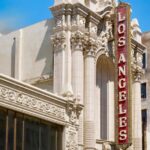
The Biltmore in Downtown Los Angeles isn’t just a pretty hotel façade. It’s the kind of place where architecture feels like a prop—every corridor and ballroom has the scale Hollywood loves. That’s what makes this tour different from the usual “see a building, take a photo, move on.”
You start at the Millennium Biltmore Historic Hotel and keep your feet on the ground while the story “moves” around you through AR. The route is designed around iconic interior spaces: grand, recognizable, and packed with details you’d miss if you were just touring on your own.
Also, it’s an easy way to experience a very LA mix—Academy Awards origins, classic movie production, and more recent screen moments—without spending a whole day.
You can also read our reviews of more historical tours in Los Angeles



Smart glasses AR: Oscars clips and classic scenes on site
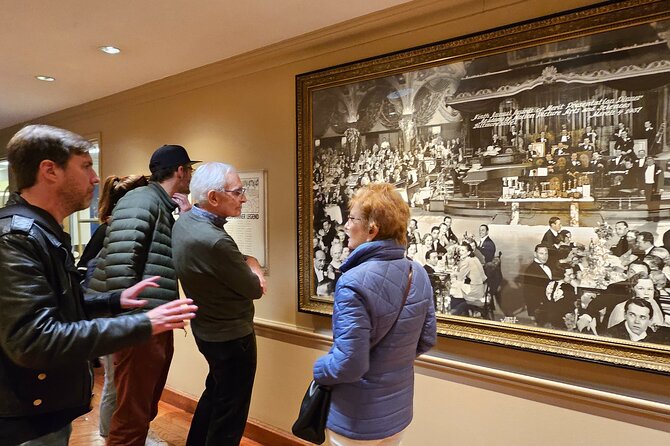
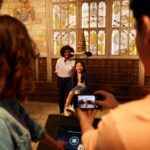
The big reason to pick this tour is the augmented reality layer. You wear the smart glasses at the start, and as you walk through the hotel, the guide cues overlays: historical photos, short video clips, and scenes tied to the locations you’re standing in.
If you’ve never used AR glasses before, you should still be fine. The setup is straightforward, and the guide keeps the timing tight so you’re not stuck figuring out tech while the story passes you by. The effect is less about gadgets and more about place-making: you’re looking at real rooms, while the glasses show you what those rooms looked like during key eras.
A practical note: because the glasses and phone overlays work together, I’d plan for a “hands-free but attentive” experience. You’ll want to listen closely at each stop so you know what moment you’re about to see.
Music Room, Galleria, and the Historic Corridor of first Academy Awards
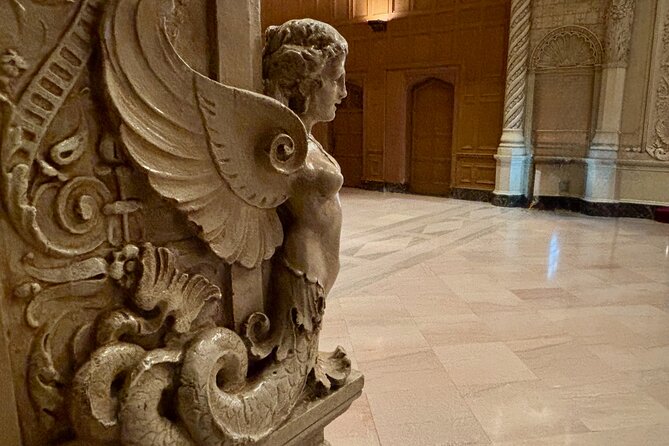
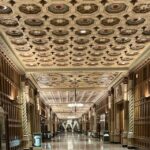
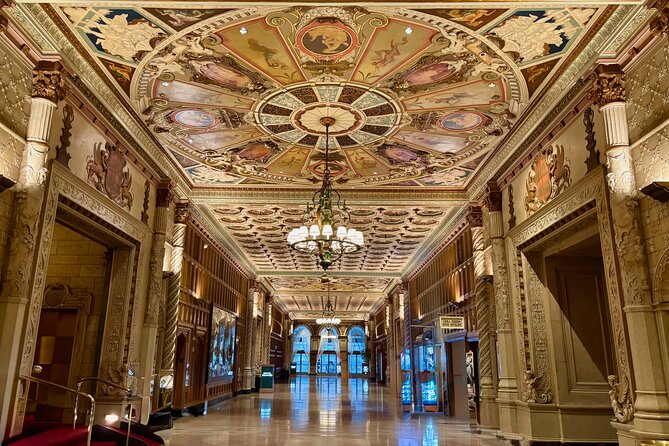
Stop 1 sets the tone with the Biltmore’s Italian Renaissance flavor. You’ll start by stepping into the Music Room, known for its intricate ceiling work with cherub-filled detail. This is one of those spaces where the building’s decoration is part of the storytelling—everything is designed to feel theatrical, even before any film clips appear.
Next comes the Galleria, with ornate corridors painted by Giovanni Smeraldi. If you like art and design, this is a strong mid-tour “reset” because it’s not just about movie fame. It’s about craftsmanship—pattern, paintwork, and the way the corridor guides your eye toward the next reveal.
Then you reach the Historic Corridor, highlighted because the first Academy Awards were held there. That’s the Oscar connection the title promises, and it’s more meaningful when it’s tied to a specific room rather than a generic claim. Expect the guide to connect the awards story to what makes the corridor feel ceremonial—scale, formality, and the sense that events would have looked dramatic in that space.
Drawback to flag here: since the tour is about an hour, you may not have time to linger as long as you’d like at each room. If you’re the type who wants five extra minutes per stop to read every plaque, you might feel slightly rushed.
VIP Olive Street Entrance, Crystal Ballroom, and the Gold Room
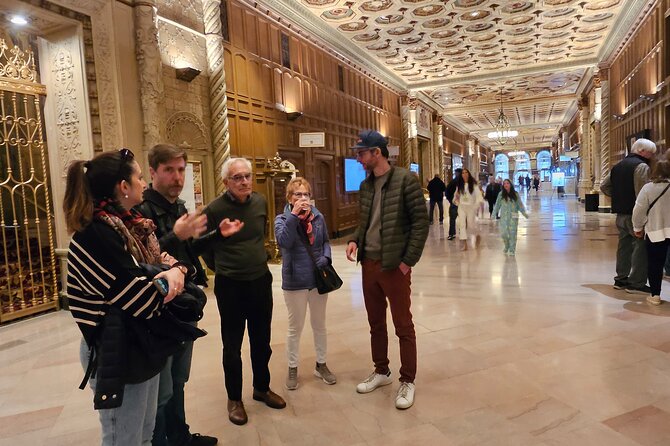
After the award-era focus, the tour pivots into Hollywood glamour and darker backstories.
You’ll visit the VIP Olive Street Entrance, a feature the guide connects to Chinatown. Even if you don’t recognize every filming detail on sight, entrances and street-facing points are where LA movie magic often begins—this stop helps you see why productions like dramatic arrival moments.
Then comes the Crystal Ballroom, described as a hub for Hollywood galas. Ballrooms are perfect for film overlays because they’re big enough to “hold” a scene. In AR form, you’re not only looking at a room—you’re watching it behave like a stage. In the examples shared during the walk, you may see scenes linked to well-known productions, including moments tied to film culture from different eras.
The tour also gives you the Gold Room, with a focus on a Prohibition-era speakeasy angle. This is where the vibe often shifts from polished gala elegance to secret-history intrigue. The value here is balance: you get the movie-star light and the speakeasy shadow in the same route.
If you’re a pop-culture fan, you’ll likely enjoy how the guide connects the hotel’s spaces to recognizable media moments—some stops include references to films and music video settings. One review example mentioned seeing overlays tied to movies like Ghostbusters and other well-known productions shot on site, plus modern pop culture clips that make the hotel feel current again.
Rendezvous Court: ending in a Moorish-inspired finale
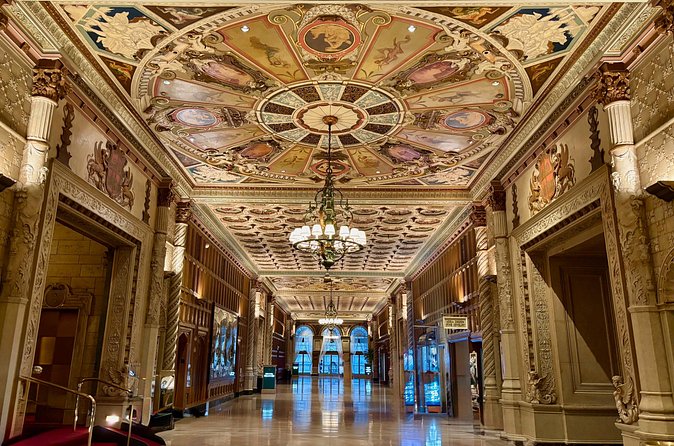
The last stretch brings you to the Rendezvous Court, described as Moorish-inspired. Finishing in a space like this matters because it gives the tour a satisfying “final picture.” The Biltmore’s design doesn’t stay in one mood; the ending space helps you wrap your head around how varied the hotel’s visual language is.
In practical terms, this is also where you can breathe for a moment. The route is still paced by the guide, but by the time you arrive at the final stop, you’ll have built a mental map of how each room fits into the overall story.





Planning your stop: timing, group size, and where to meet
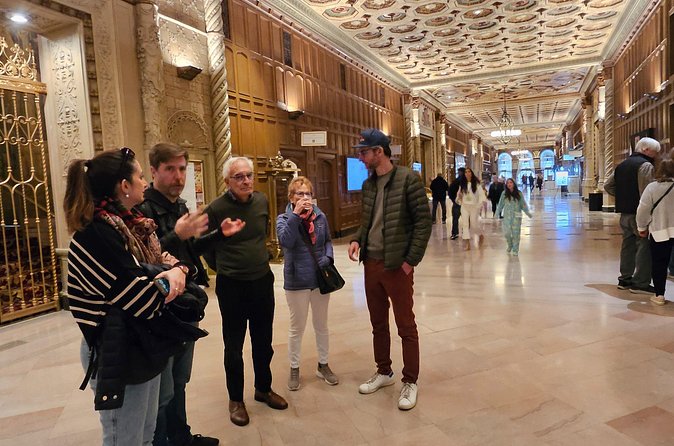
This is a 1-hour walking tour. There’s no long waiting game, and that’s a plus in a city where time disappears fast. The tour is offered in English, and it’s set for a maximum of 10 people, so it doesn’t feel like you’re herding cats while trying to watch AR overlays.
You’ll meet at:
- Millennium Biltmore Historic Hotel, 507 S Olive St, Los Angeles, CA 90013
And you end back at the same spot.
It’s also near public transportation, which is useful if you’re doing other DTLA plans that day. If you’re coming from elsewhere in LA, I’d plan to arrive a little early so you can settle in and get the glasses experience started without stress.
One more detail that affects planning: this tour is commonly booked ahead. On average, it’s reserved about 25 days in advance, so if you want a specific day or time window, don’t wait until the last minute.
Price and value: what $25 gets you at the Biltmore
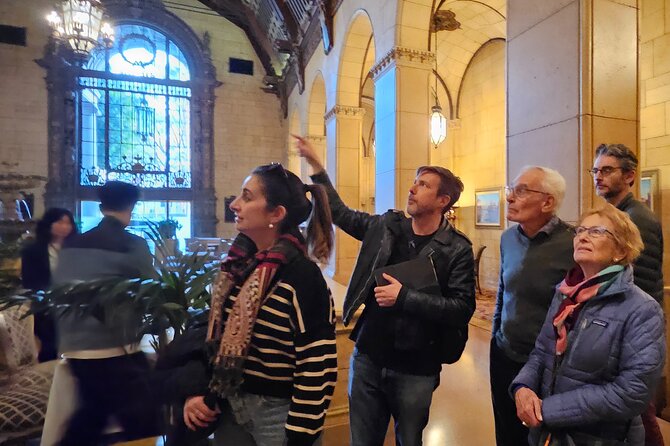
At $25 per person, the price feels focused. You’re paying for three things:
- A guided walk through a cluster of landmark rooms
- The admission ticket included as part of the visit
- The smart glasses AR layer that ties real spaces to film scenes and award references
In other words, you’re not just buying access to a hotel. You’re buying an interpretation of the hotel—how and why it became part of Oscar-era LA and film production culture.
There may also be group discounts, and the tour supports a mobile ticket format. If you’re traveling with a friend or two, it’s worth checking if a group rate is available when you book.
Who this tour fits best (and who might prefer another plan)
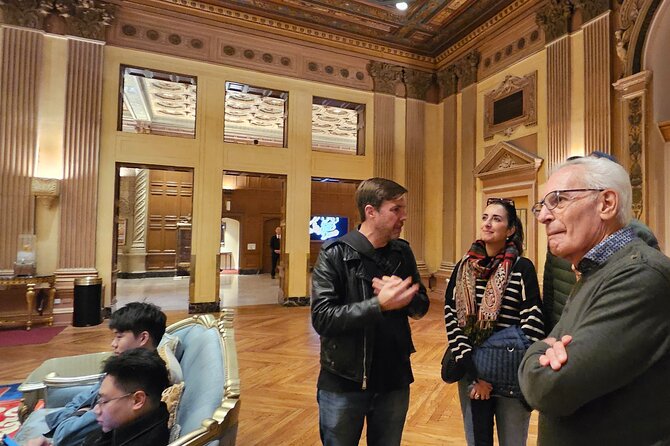
This tour is a strong match if you like any of these:
- Movie history and film locations you can walk into
- Architecture and ornate interior design
- The Academy Awards story, especially when tied to a specific room
- AR or tech-assisted storytelling that doesn’t require prior knowledge
It also helps if you’re new to LA or you want an indoor DTLA plan that doesn’t depend on weather.
Who might not love it: if you hate wearing glasses, dislike short guided walks, or prefer a slower museum-style experience with lots of standing and reading, you may find the pace a bit tight. It’s designed to cover key spaces efficiently, not to let you linger.
Book it or skip it? My practical recommendation
I’d book this if you want a one-hour, high-detail way to connect LA’s film story to real rooms. The smart glasses component is the star, and the route is built around meaningful stops: Music Room, Galleria, Historic Corridor (first Academy Awards), Crystal Ballroom, and the Gold Room Prohibition thread.
I’d skip it if you’re only interested in exterior sightseeing, you want a long sit-down experience, or you’re uncomfortable with AR glasses. In that case, a standard self-guided architecture visit might feel more relaxing.
FAQ
How much does the Oscar History and Film Set Studio Tour at the Biltmore cost?
It costs $25.00 per person.
How long is the tour?
It runs for about 1 hour.
Where do I meet for the tour?
Meet at Millennium Biltmore Historic Hotel, 507 S Olive St, Los Angeles, CA 90013, USA.
Is an admission ticket included?
Yes, admission is included in the tour.
Is the tour in English?
Yes, the tour is offered in English.
What size is the group?
The tour has a maximum of 10 travelers (small-group format).
Do I get a mobile ticket?
Yes, it uses a mobile ticket.
Do I need to be able to use augmented reality on my own?
No special experience is required based on the way the tour is conducted. The glasses are provided and the guide leads you through when to look and where to stand.
Is there free cancellation?
Yes, you can cancel for a full refund up to 24 hours before the experience start time.
Is the meeting point near public transportation?
Yes, the meeting point is near public transportation.